
Last updated November 23, 2026
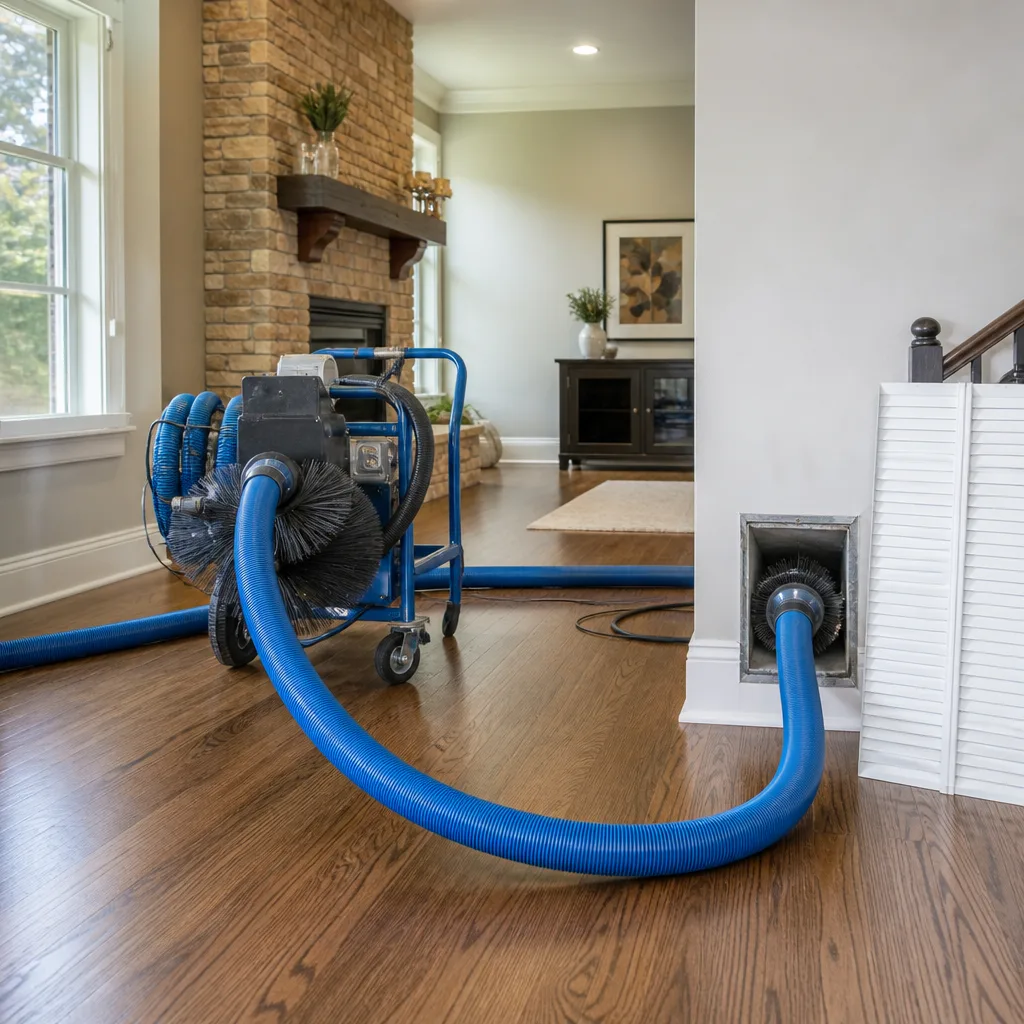 Whole-home duct cleaning
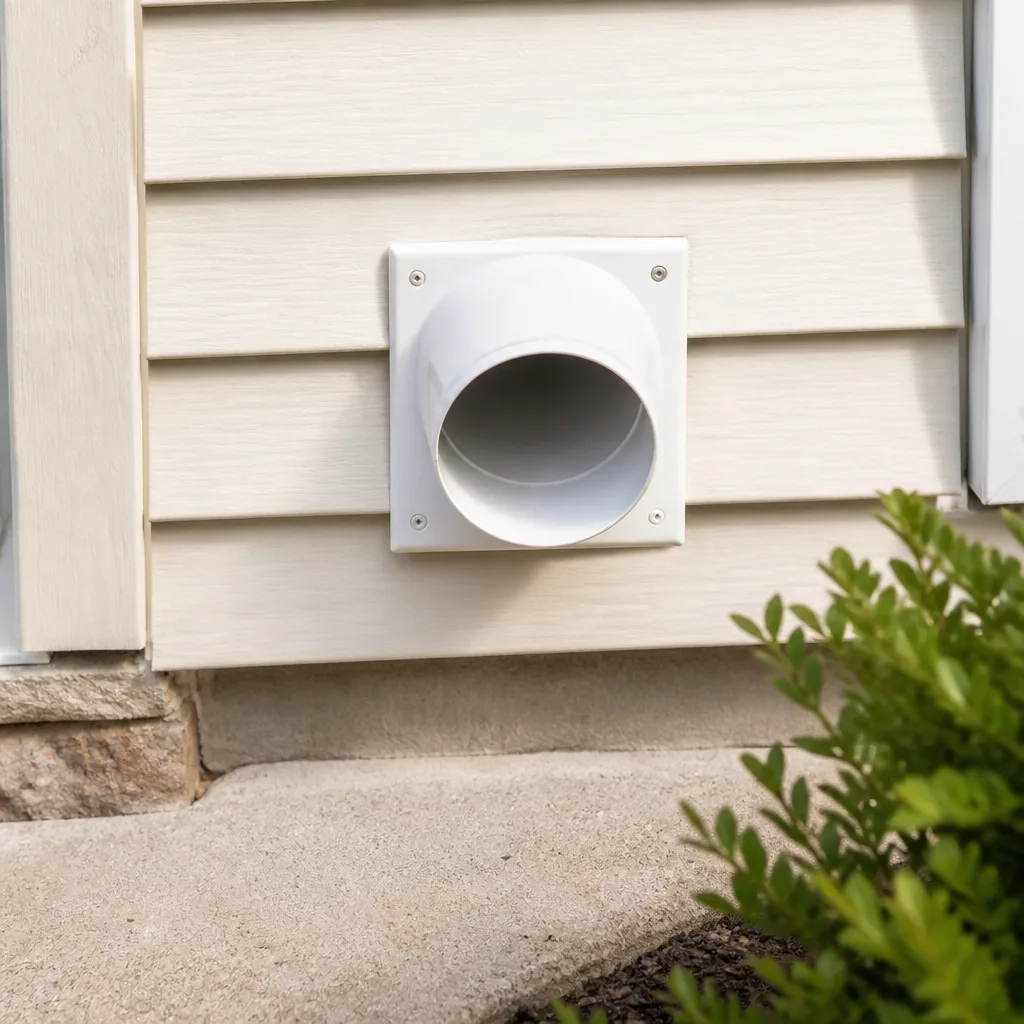 Dryer vent cleaning
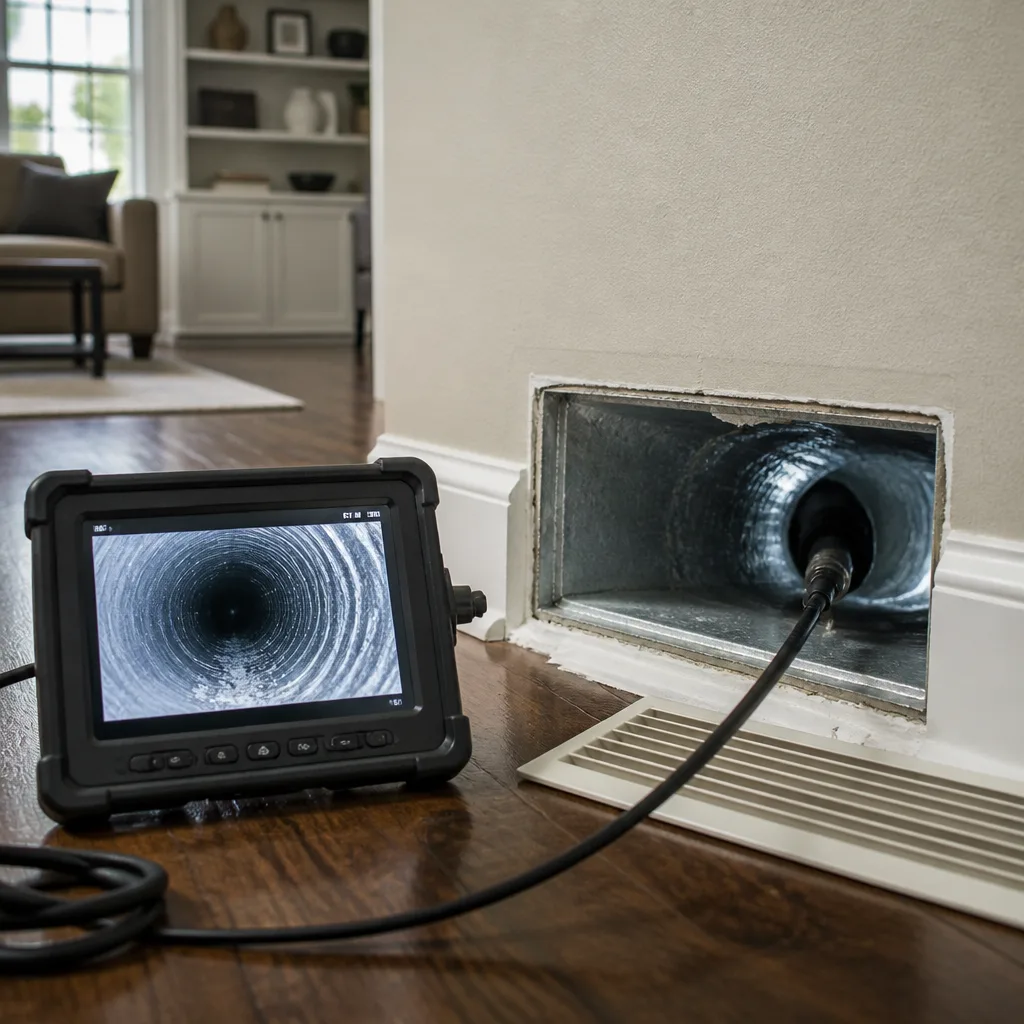 Camera inspection
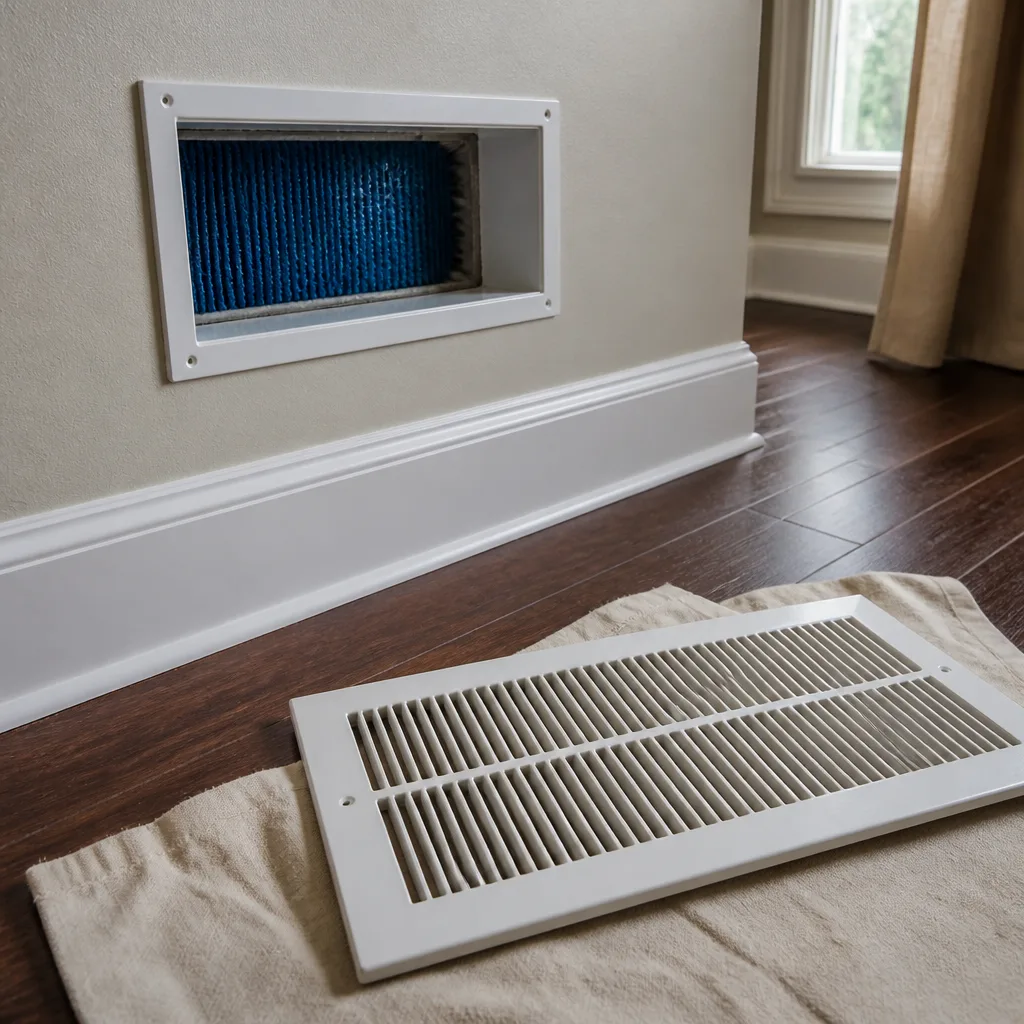 Sanitizing & deodorizing
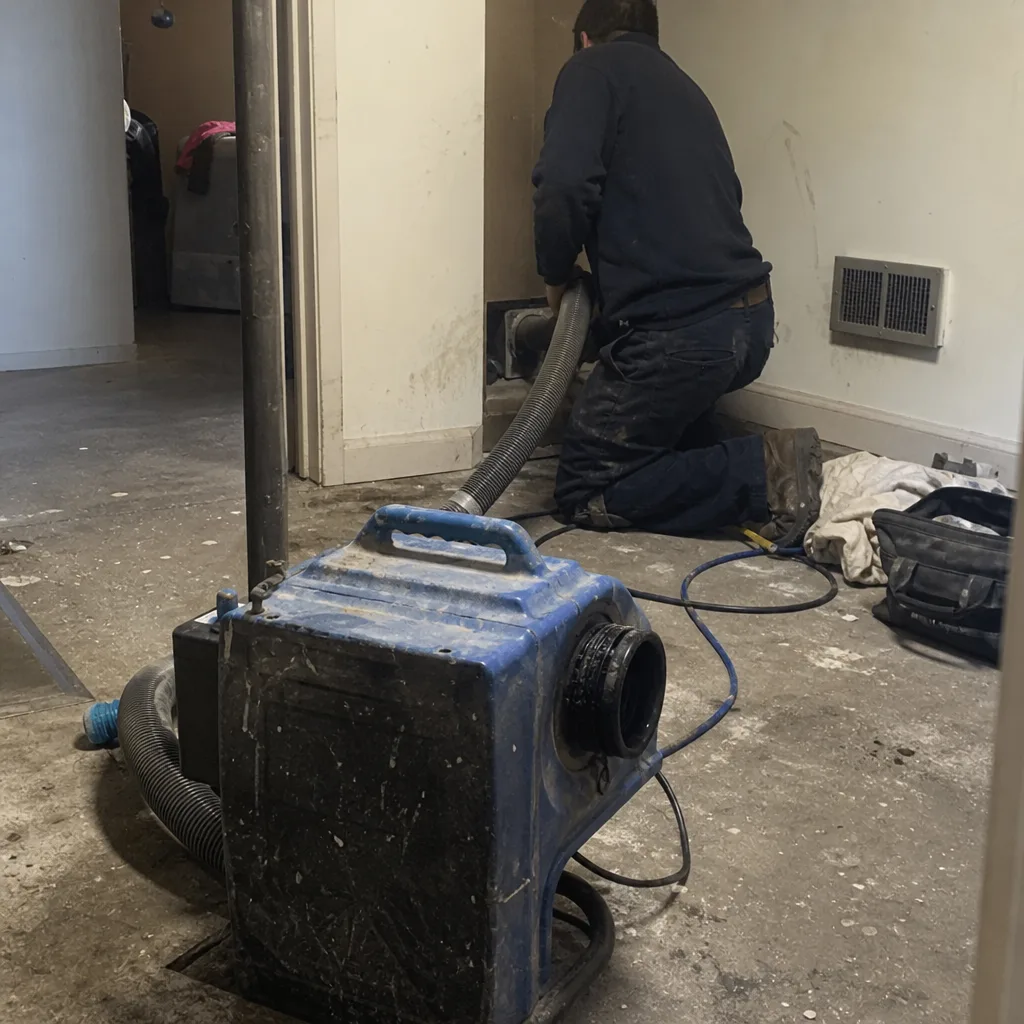
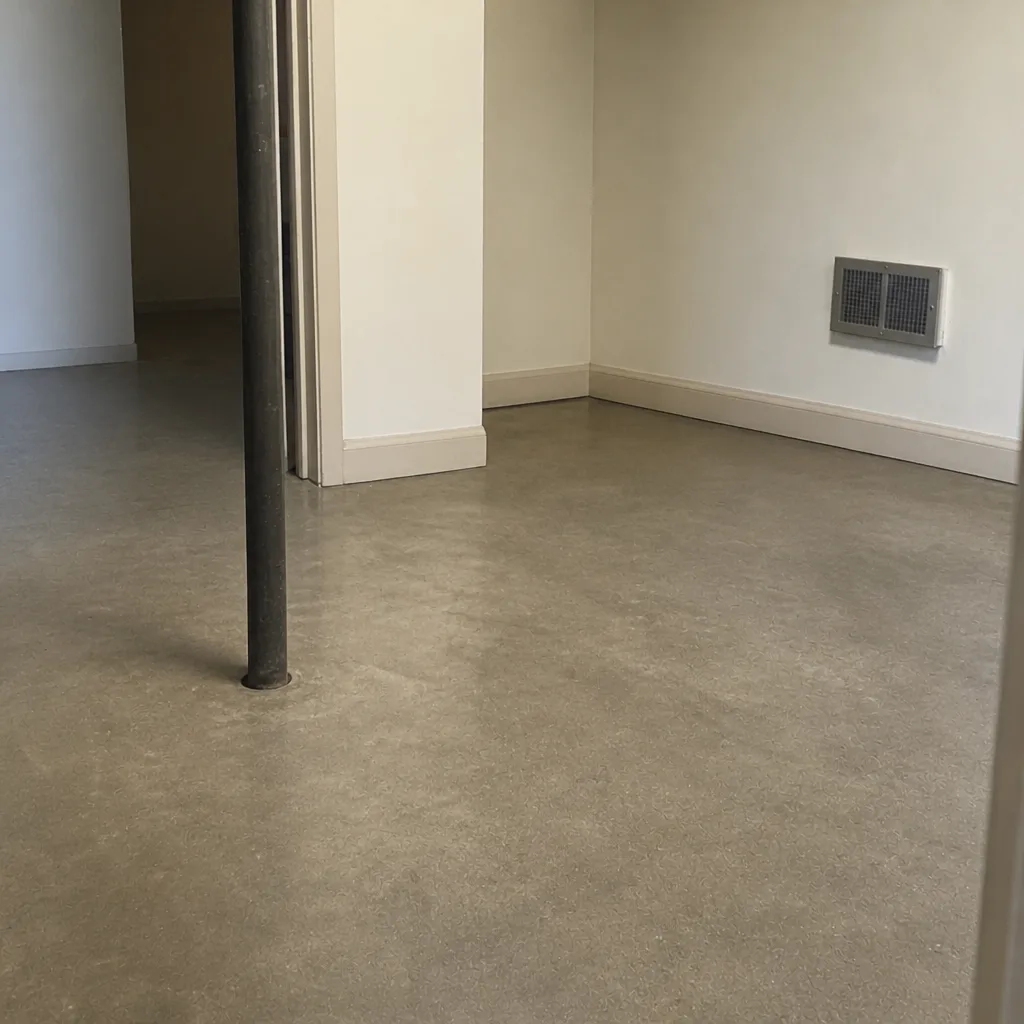
Whole-system duct and dryer vent check with before-and-after photos - you see exactly what came out of your vents
That "$99 whole-house special" is a bait ad - the real number appears once they are in your hallway, or the "clean" is a shop-vac at the register. We photograph the inside of your ducts before and after instead.
Air Duct Cleaning Emergency Preparedness Guide for Pleasant Grove Homes
Most homeowners treat their ductwork as passive plumbing for air – something that just sits in the walls until the furnace kicks on. That assumption cost Utah County families during the 2020 wildfire smoke events, when indoor PM2.5 levels in homes running central HVAC on “recirculate” climbed to 150% of outdoor levels within four hours. The system designed to protect you can accelerate the problem if you don’t know what to shut off and when. This guide covers the three local emergencies that stress duct systems in Pleasant Grove – wildfire smoke, flooding, and seismic activity – with protocols you can stage before each season hits. You’ll learn shutdown and restart sequences, the 48-72 hour mold window, post-earthquake inspection points, and how to document your system now so future insurance claims have a baseline.
Quick Answer
Air duct emergency preparedness in Pleasant Grove means knowing three distinct protocols ahead of time: shut the HVAC down entirely during heavy wildfire smoke and stage a MERV 13 filter for the recovery period, respond to flooding within 48-72 hours before mold colonization becomes likely, and inspect duct connections, gas line adjacency, and equipment mounting before restarting HVAC after an earthquake. Document your system’s pre-event condition with dated photos so insurance claims have a baseline. The rest of this guide walks through each protocol step by step.
Styles & brands we work with
- Whole-home duct cleaning
- Dryer vent cleaning
- Camera inspection
- Sanitizing & deodorizing
Table of Contents
- Wildfire Smoke Protocol: When to Recirculate and When to Shut Down
- Flood and Moisture Intrusion: The 48-72 Hour Window
- Post-Earthquake Duct Inspection Before Restarting HVAC
- HVAC Shutdown and Restart Procedures by Emergency Type
- Documenting Duct Condition Before Emergency Season
- Filter Upgrades to Stage Before Smoke Season
- Common Mistakes to Avoid
- When to Call a Professional
Wildfire Smoke Protocol: When to Recirculate and When to Shut Down
The single biggest mistake during a smoke event is leaving the HVAC running on fresh-air intake. Most residential systems pull a percentage of return air from outside through a fresh-air duct or through the natural leakage in a house’s envelope. When outdoor PM2.5 spikes, every cubic foot of that air flows into your living space and picks up whatever’s sitting in the ducts. Flipping the thermostat to “recirculate” or “fan on” helps only if the system has a sealed return and a filter with enough particulate capture rating to matter.
Here’s the sequence we recommend for Pleasant Grove homes when smoke rolls into the valley:
- Check the Air Quality Index. When AQI crosses into “unhealthy” (151-200), it’s time to act. Above 200, treat it as urgent.
- Switch to recirculate if your system supports it. Close the fresh-air damper, if you have one. Run the fan continuously so the filter keeps catching particles rather than letting them settle.
- Shut the whole system down if smoke is visibly infiltrating indoors. That means a haze in the air, a smoky smell, or a filter loaded faster than usual. Running the system when the return is drawing smoke accelerates contamination and pushes ash into the ducts.
- Tape the fresh-air intake. If your HVAC has a dedicated outdoor air intake for ventilation, seal it with painter’s tape for the duration of the event.
- Stage a filter change for the recovery period. Don’t wait for the calendar. Swap the filter the moment the smoke clears.
Utah County’s mountain-basin geography traps smoke on bad air days, so events can last four to six days rather than a few hours. Pleasant Grove homes on the east bench, closer to the foothills, tend to see smoke settle faster in the evening, and homes with south- and west-facing windows absorb more radiant heat during a smoke event, which pushes the HVAC to work harder just to hold temperature. Both factors mean the filter loads faster than a homeowner would guess.
After the smoke clears, the ductwork itself needs assessment. Ash and fine particulate settle in the plenum, on the evaporator coil, and along horizontal runs in the attic. If you can see a gray film at the supply registers, if the filter is dark gray on the intake side, or if anyone in the house has been coughing or congested for more than a week after the event, that’s the point to schedule air duct cleaning. A rotary-brush system with a HEPA-rated vacuum – the kind of setup we run with Rotobrush and Nikro equipment – agitates the settled ash and extracts it rather than just stirring it up.
Flood and Moisture Intrusion: The 48-72 Hour Window
Mold can begin colonizing wet ductwork and porous duct-liner materials within 48 to 72 hours of water intrusion. That window is not a rough estimate – it’s the practical deadline for taking meaningful action before remediation scope grows and cost climbs. Water in ducts comes from a few common sources in Pleasant Grove: a failed condensate drain on the air handler, a ruptured supply line in the wall cavity, roof or flashing leaks that track down through the attic into insulated flex ducts, and groundwater intrusion during spring snowmelt or heavy monsoon rain.
What you can do immediately, in the first few hours:
- Kill the power to the HVAC system at the breaker. Water and electricity don’t mix, and a wet blower motor should not be energized.
- Photograph everything. Wide shots and close-ups of every wet area, every ceiling stain, every register in the affected zone. Insurers care about documentation more than they care about adjectives.
- Extract standing water. Wet-dry vacuum, towels, whatever’s on hand. Pull up soaked carpet and pad near registers so they can dry separately.
- Run fans and open windows if the outdoor humidity is below 60%. In Pleasant Grove, summer humidity is usually low enough for this to work. During monsoon weeks or after a snow event, it’s not.
- Do not restart the system until a technician confirms the ducts and equipment are dry. Restarting a wet system spreads moisture into places it wasn’t before.
What a trained contractor does that you can’t do on your own: certified moisture readings of the duct interior, borescope inspection of the runs inside walls and ceilings, and – when contamination is confirmed – mechanical agitation with a rotary brush plus HEPA extraction through containment. The same containment approach used in mold remediation, with Abatement Technologies filtration equipment, keeps dust and spores from spreading during service. Depending on what the inspection finds, the resolution ranges from a full cleaning to replacing wet insulated flex sections to sealing the duct envelope afterward so a future leak can’t do the same thing again.
Post-Earthquake Duct Inspection Before Restarting HVAC
Utah has real seismic risk. The Wasatch Front sits on active fault lines, and Pleasant Grove is close enough to the Wasatch fault zone that a significant event is not hypothetical. After any quake you can feel, before you touch the thermostat, walk the system – not just the thermostat. Ductwork takes the same shock as the walls it runs through, and the failure modes are sneaky: joints separate, hangers drop, flex sections tear, and gas lines near the furnace can shift.
Here’s the checklist we’d walk through, in order:
- Sniff for gas first. If you smell gas, leave the house and call the gas utility from outside. Do not touch switches or start appliances.
- Inspect the furnace and air handler. Is the unit still anchored? Are the flue pipe and vent connector tight? Any visible cracks in the heat exchanger housing?
- Check duct connections at the plenum, the trunk lines, and every register boot. Look for gaps, tape that’s come loose, mastic that’s cracked, and flex duct that’s separated from a collar.
- Check hangers and straps in the attic. Duct runs that used to hang with slack now pulling tight is a sign the run shifted and separated at a joint.
- Look for debris in the return grille. Drywall dust, insulation fibers, or chunks of ceiling material ending up in the return tells you the duct is no longer sealed against the cavity.
- Restart in stages. Turn the fan on only and let it run ten minutes. Listen for rattles, feel for uneven airflow at the registers, and check the return for a whistling sound that might indicate a torn joint.
If anything looks off, run the system only after a technician has inspected it. The bigger picture: earthquakes reveal pre-existing weaknesses in the duct envelope. If your home is older and the ducts were sealed with duct tape – which has a lifespan measured in years, not decades – the quake may be the excuse the system needed to finally leak. In that case HVAC cleaning plus duct sealing is the correct sequence: clean first, seal second, so the mastic bonds to clean metal.
HVAC Shutdown and Restart Procedures by Emergency Type
Shutdown and restart procedures differ by emergency. Running the wrong sequence can push contaminants deeper into the system or, in the case of post-earthquake, energize a damaged unit. Here’s the reference:
Wildfire smoke event – shutdown
Set the thermostat to OFF (not heat or cool). Close the outdoor fresh-air damper. Tape the fresh-air intake. Do not run the fan – running it during an active smoke infiltration draws smoke into the return. Note the date so you remember when to swap the filter during recovery.
Wildfire smoke event – restart
Wait until the AQI drops below 100 and the visible haze has cleared. Replace the filter before restarting. Run the fan on low for ten minutes and check the return for a smoky smell. If the smell persists after the filter swap, the ducts themselves need cleaning before normal operation resumes.
Flood – shutdown
Breaker OFF at the panel first, before anything else. Photograph the panel, the equipment, and the wet area. Do not run the fan – that’s the worst thing to do with a wet system because it spreads moisture through the entire duct envelope in minutes.
Flood – restart
Only after a technician has confirmed moisture readings in the acceptable range at every accessible point. New filter, fan-only for a few hours, then normal operation. Watch for musty odor in the first week, which would indicate residual moisture in the system.
Earthquake – shutdown
If you smell gas, evacuate. If not, breaker OFF at the panel anyway until the walk-through is complete. This isn’t a step you do in a hurry.
Earthquake – restart
Fan-only stage first. Listen, feel for airflow at the registers, watch for anything that indicates a damaged run. Then heat, then cool. If anything seems wrong, stop and call.
Documenting Duct Condition Before Emergency Season
A dated photo of your duct system taken today is worth more than any after-the-fact description you’ll write to an insurance adjuster in a smoke event or a flood claim. Most ductwork is invisible – the adjuster will ask for a “before” baseline that most homeowners don’t have. Building one takes about an hour.
Here’s what to capture:
- Every register. Wide shot of each supply and return, with a ruler or a coin in the frame for scale. This tells an assessor whether soot deposits are new.
- The air handler and furnace. Front, sides, and top. Note any visible filter model printed on the housing.
- The filter itself. Photo with a date stamp when new, again at the recommended change interval. This documents whether you were maintaining the system.
- Duct connections in the attic. Wherever you can safely reach with a phone camera – the plenum, the trunk takeoffs, the register boots. You don’t need to climb onto joists to do this. If reaching a run requires stepping on a joist over open ceiling, don’t; that’s a technician’s job.
- The exterior condenser and any exterior penetrations. These reveal entry points for smoke or water that might otherwise be overlooked.
- A short written log. Date of last cleaning, filter changes, any known leaks or repairs. A notes app file is enough.
We’ve written a longer guide on air duct cleaning that covers the full assessment criteria a contractor uses, but for preparedness the rule is: photograph more than you think you need, including the boring stuff. Insurers will pay on the boring stuff. They won’t pay on “there was probably soot but I didn’t take a picture.”
Filter Upgrades to Stage Before Smoke Season
Most Pleasant Grove homes run a MERV 8 pleated filter because that’s what the hardware store stocks and what the builder installed. For smoke events, a MERV 13 is the practical upgrade – it catches fine smoke particles that MERV 8 lets through, while still being breathable enough for most residential blowers. Going higher than MERV 13 without checking your system’s static pressure rating can starve airflow and stress the blower, and that’s a question for a technician, not a guess.
What to stage before smoke season, in order of priority:
- Two MERV 13 filters, correct size. Measure the filter slot, not the housing. Buy a spare for the post-event swap.
- Painter’s tape. For sealing the fresh-air intake during an event.
- A standalone HEPA air purifier for the bedroom you sleep in. The central system can only filter what it pulls in; a room purifier catches what the ducts miss.
- Optional: a filter-status log. Filter change date, brand, MERV rating. Useful when a technician asks what the system has been running on.
Honeywell and Aprilaire filters are a common upgrade path for Pleasant Grove homes because they’re widely available and rated clearly. If your system is set up for a media cabinet rather than a one-inch slot, a media filter holds far more dust before it loads and is generally the better long-term setup. Some homes are a natural fit for adding a humidity control device or a whole-home purifier at the same time – Aprilaire and Honeywell both make options that work with standard residential systems, and pairing that with a cleaning visit is the efficient time to do it, since the system is already open for inspection.
One point that gets missed: the filter is the first line, but not the only line. A system with MERV 13 filters and dirty ducts will still circulate whatever’s in the ducts. Clean the system first, upgrade the filter second, maintain the filter schedule third. That sequence is what actually keeps the air clean through a smoke event.
Common Mistakes to Avoid
- Running the fan “to filter the air” during an active smoke event. If outdoor smoke is infiltrating, running the fan pulls more of it in through leakage and fresh-air intakes. Shut the system down until the smoke clears, then clean and swap the filter – not the other way around.
- Restarting a flooded HVAC system to “see if it still works.” A wet blower motor energized after water intrusion is a fire and shock risk, and running the fan spreads moisture through the entire duct system in minutes. Kill power at the breaker first, always.
- Skipping the post-earthquake walk-through. The urge to just flip the thermostat back on “and see” is strong after a rattling quake, but a separated flex run or a shifted gas connection discovered after the system is running is a much worse outcome than five minutes of inspection. Walk first, restart in stages second.
- Assuming the ducts are “probably fine” because nothing looks wrong inside. Ductwork is invisible by design. Soot, ash, and moisture settle in the parts you can’t see. The visible register is the least informative place in the system.
- Calling a duct cleaner that shows up with a shop-vac. Pleasant Grove has plenty of handymen who will run a shop-vac through a supply run and call it cleaning. That setup can’t agitate the dust that’s bonded to the duct wall, and it can’t filter the exhausted dust to a safe level. Ask what equipment is used – Rotobrush, Nikro, Abatement Technologies are the names to hear, not “we bring our own vacuum.”
- Cleaning before sealing, or sealing before cleaning. The order matters. Sealant applied to dirty duct walls won’t bond. Cleaning without sealing leaves the leaks that let new contamination in. Both steps together are the correct sequence.
- Cleaning the ducts without touching the dryer vent. A dryer vent is a fire path, not just a comfort issue. In a Pleasant Grove home, the typical setup vents through the wall or roof with a run long enough to collect lint at every bend. If the vent hasn’t been cleaned in a couple of years, add dryer vent cleaning to the list before it becomes an emergency of its own.
When to Call a Professional
Call a professional when the smoke smell persists after a filter swap, when the ducts have been wet within the last 72 hours, when a post-earthquake walk-through turns up a separated joint or a duct hanger that’s failed, or when you’re in the recovery window after any of the three events and you don’t have a clean pre-event photo baseline. Also call if you’re noticing chronic symptoms – headaches, coughing, or allergies that kick in every time the system runs – because that’s a sign the duct condition is affecting indoor air quality, not just the thermostat setting.
The right setup for a duct emergency isn’t the cheapest one. It’s a single crew that can clean, repair, seal, and sanitize in one visit, using professional equipment rather than shop-vac improvisation. Pleasant Grove Air Duct Cleaning Pros works with Rotobrush rotary systems, Nikro vacuum equipment, and Abatement Technologies containment, and we handle all five services – cleaning, dryer vent, HVAC, duct repair and sealing, and air quality – under one visit so you’re not coordinating multiple contractors during a stressful week. Our technicians have up to 9 years of experience. We answer 24/7. Fast dispatch from 7am to 7pm, Sunday through Friday, and we’re closed Saturday. Free estimates in Pleasant Grove – call (833) 513-8678.
See the difference
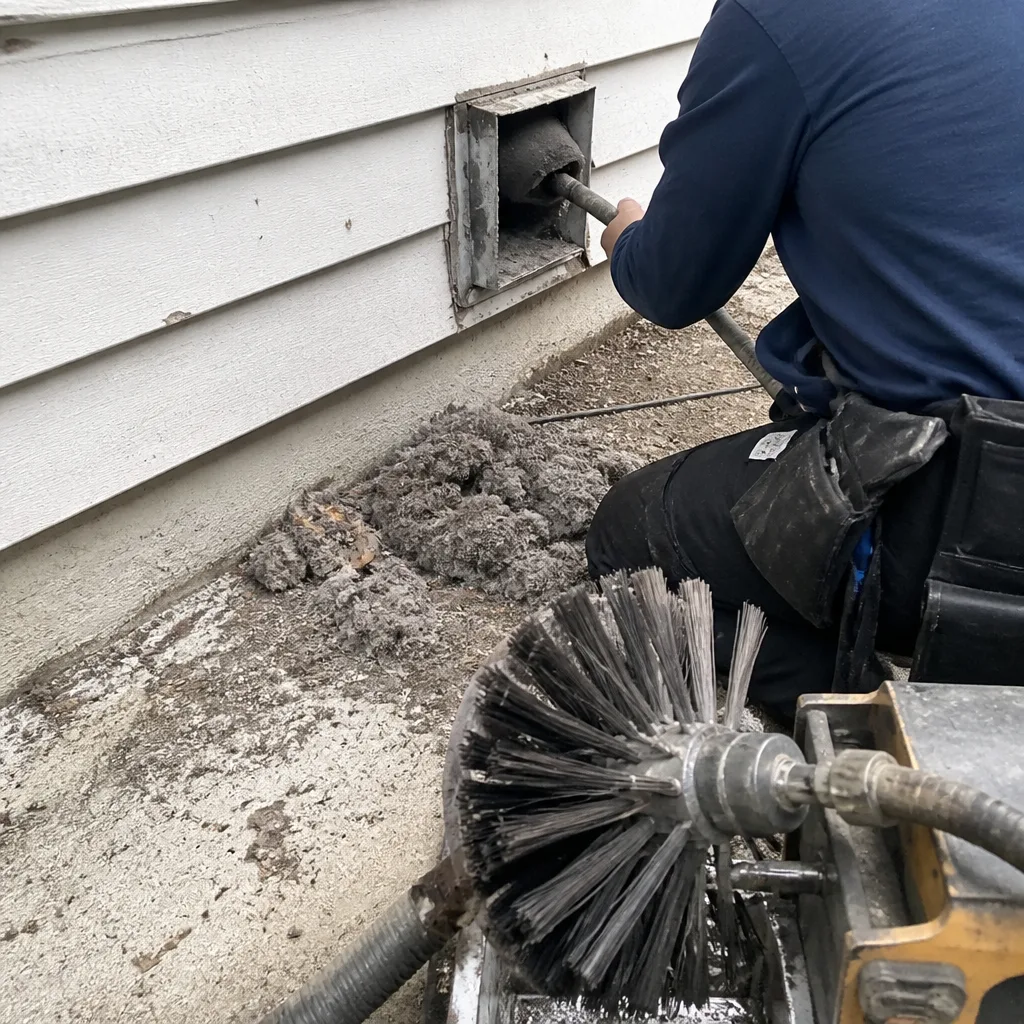 Before
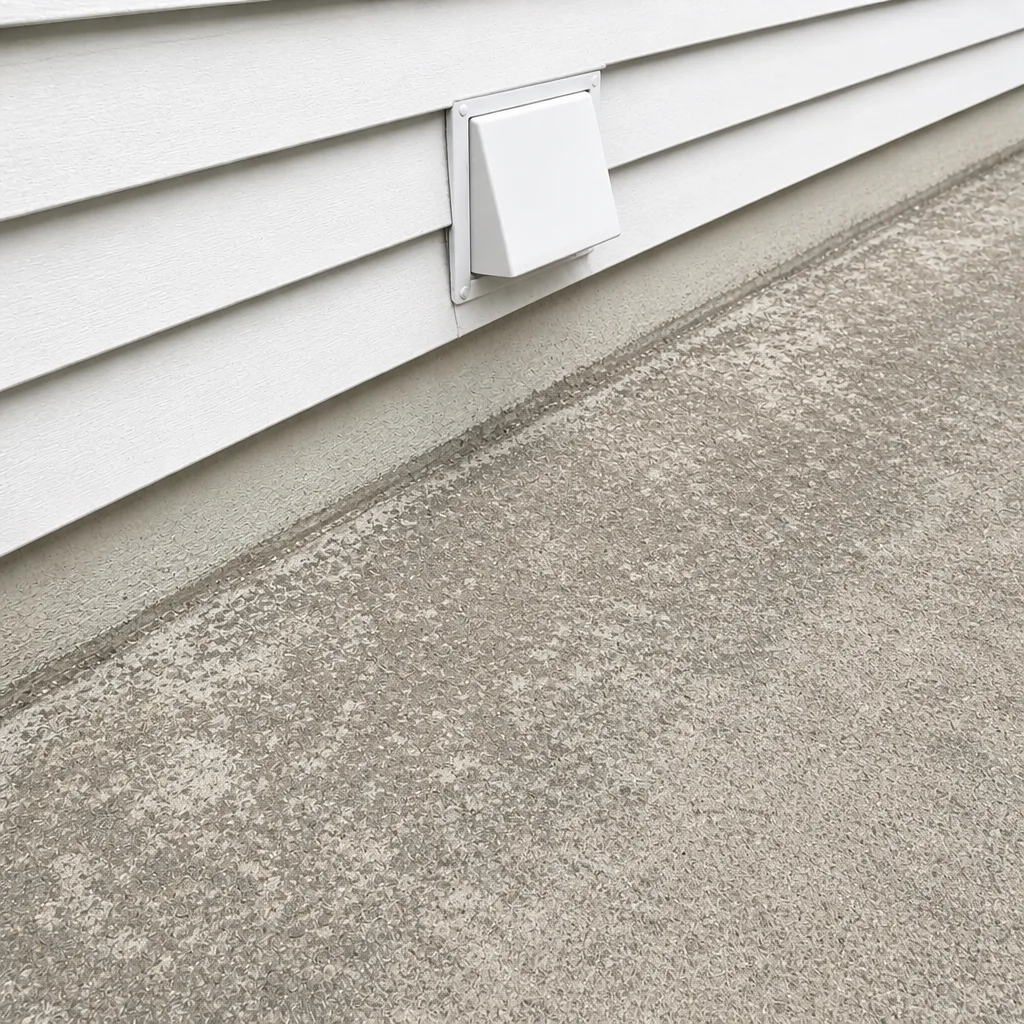 After
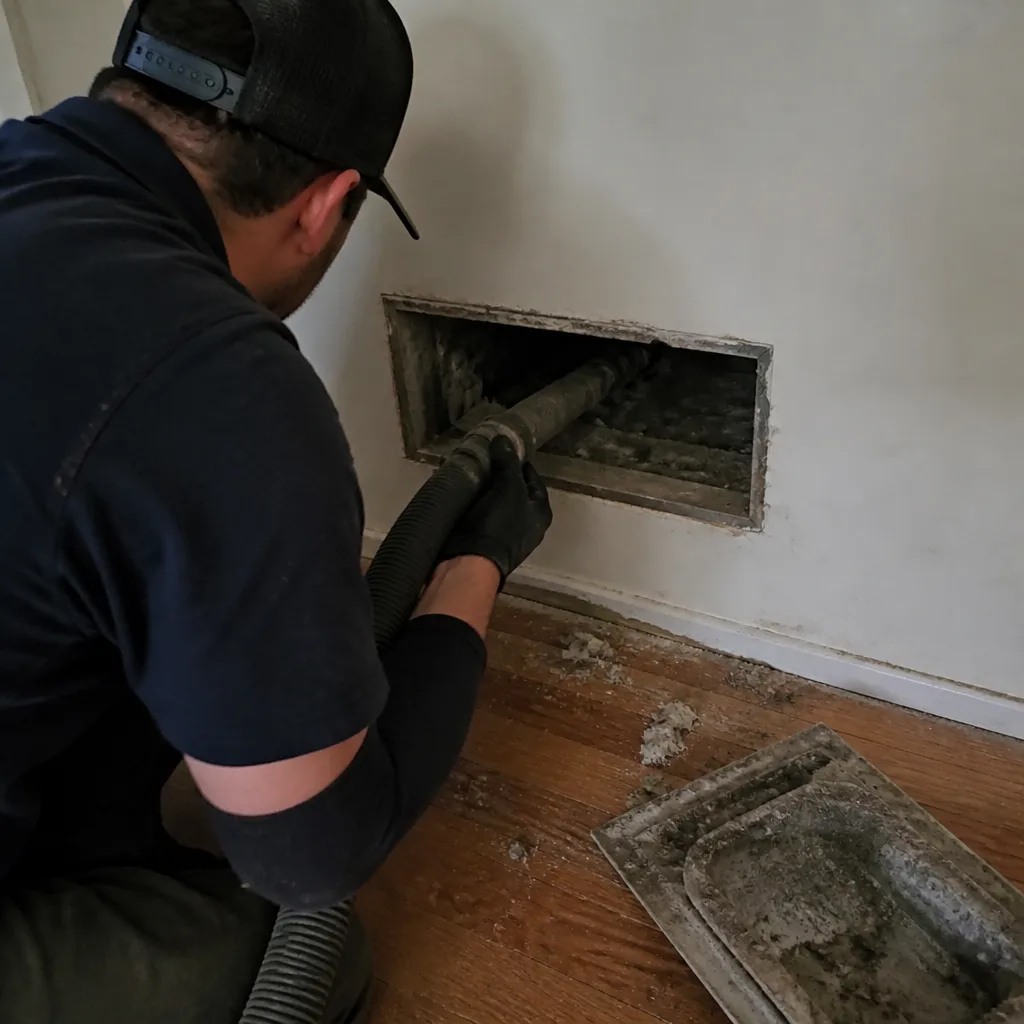 Before
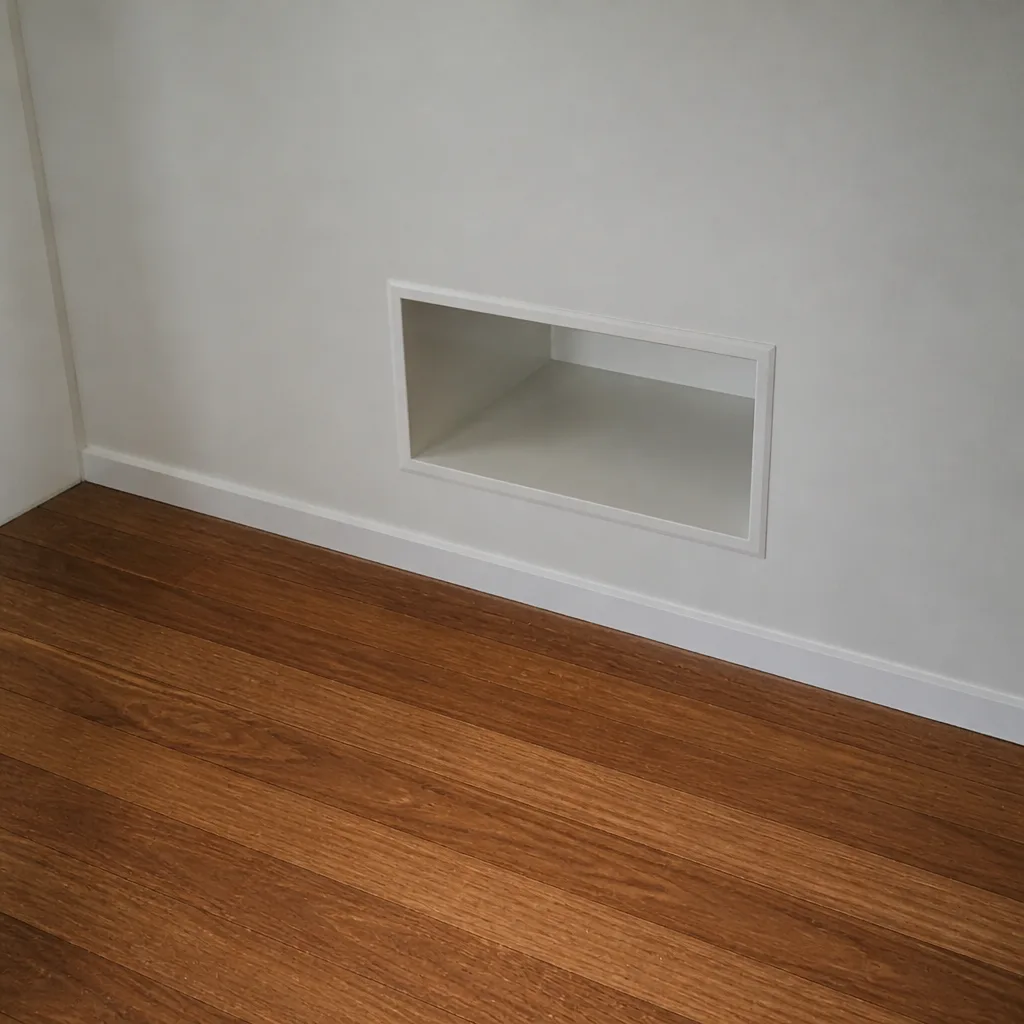 After
 Before
 After
Frequently Asked Questions
Shut it down if smoke is visibly infiltrating your home, and switch to recirculate only if the system is well-sealed and running a MERV 13 filter. Running a leaky system on fresh-air intake pulls outdoor smoke into the ducts and distributes it through every register. After the smoke clears, swap the filter, then have the ducts assessed for settled ash.
You have 48 to 72 hours before mold colonization becomes likely in wet duct liner and insulation. The first steps are the breaker off and photos taken; a technician should confirm the ducts and equipment are dry before the system is restarted. Moisture readings and borescope inspection are what distinguish “dry it and go” from “needs cleaning and possibly replacement.”
Check the duct connections at the plenum, trunk lines, and register boots, plus the hangers and straps in the attic, before restarting the system. Sniff for gas near the furnace first; if you smell it, evacuate and call the gas utility. Restart in stages – fan only, then normal – and listen for rattles or feel for uneven airflow at each register.
Pricing varies by system size, number of runs, and whether sealing or sanitizing is included, so the honest answer is that it’s quoted per system rather than per vent. Beware any quote that starts with a low coupon figure and climbs once the technician is on site. Call (833) 513-8678 for a free estimate – we’ll give you a written price for your system before any work starts.
Ask for before-and-after photos of the duct interior, taken at the same locations. A legitimate cleaning job leaves visible proof – the plenum, the runs, and the register boots should look different in the “after” shots. Our technicians photograph the system as part of the job so you have a record.
Most Pleasant Grove homes don’t need annual cleaning – every few years is typical for a well-maintained system. But the interval shortens sharply after a smoke event, a flood, a major remodel, a new-home purchase where the prior owner’s maintenance is unknown, or if anyone in the household has chronic respiratory symptoms tied to the system running. If you’re not sure, an inspection with photos is a cheap way to find out whether cleaning is warranted or not.
The Bottom Line
Emergency duct preparedness in Pleasant Grove comes down to three protocols and one habit. The protocols: wildfire smoke (recirculate if sealed, shut down if infiltrating, filter swap after), flood (breaker off, photos first, 48-72 hours to act before mold risk climbs), and earthquake (walk the system before restarting, sniff for gas first, restart in stages). The habit: document your duct system’s baseline condition now, with dated photos, so a future claim has something to compare against. If you stage the filters, know the shutdown sequence, and have one contractor’s number saved for the recovery phase, you’re better prepared than most homeowners in Pleasant Grove – and if you’re already inside an event, call us and we’ll walk you through it.
Call (833) 513-8678 for a free estimate. We answer 24/7. Fast dispatch from 7am to 7pm, Sunday through Friday. Closed Saturday.
Ready to schedule? See our Pleasant Grove Air Duct Cleaning Pros overview for the full service list, and if you’ve already spotted a duct problem we’ll bring the right equipment for the job.
Written by the team at Pleasant Grove Air Duct Cleaning Pros.