
Last updated November 23, 2026
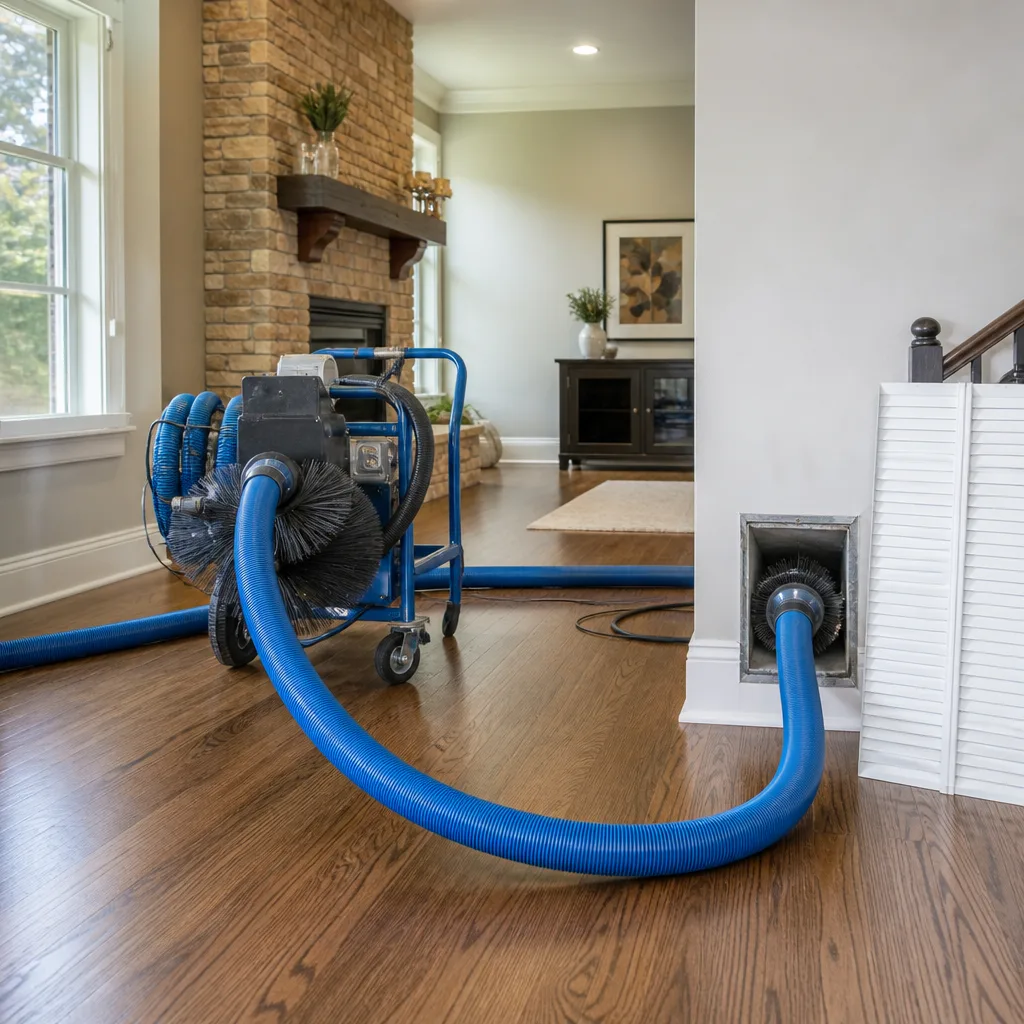 Whole-home duct cleaning
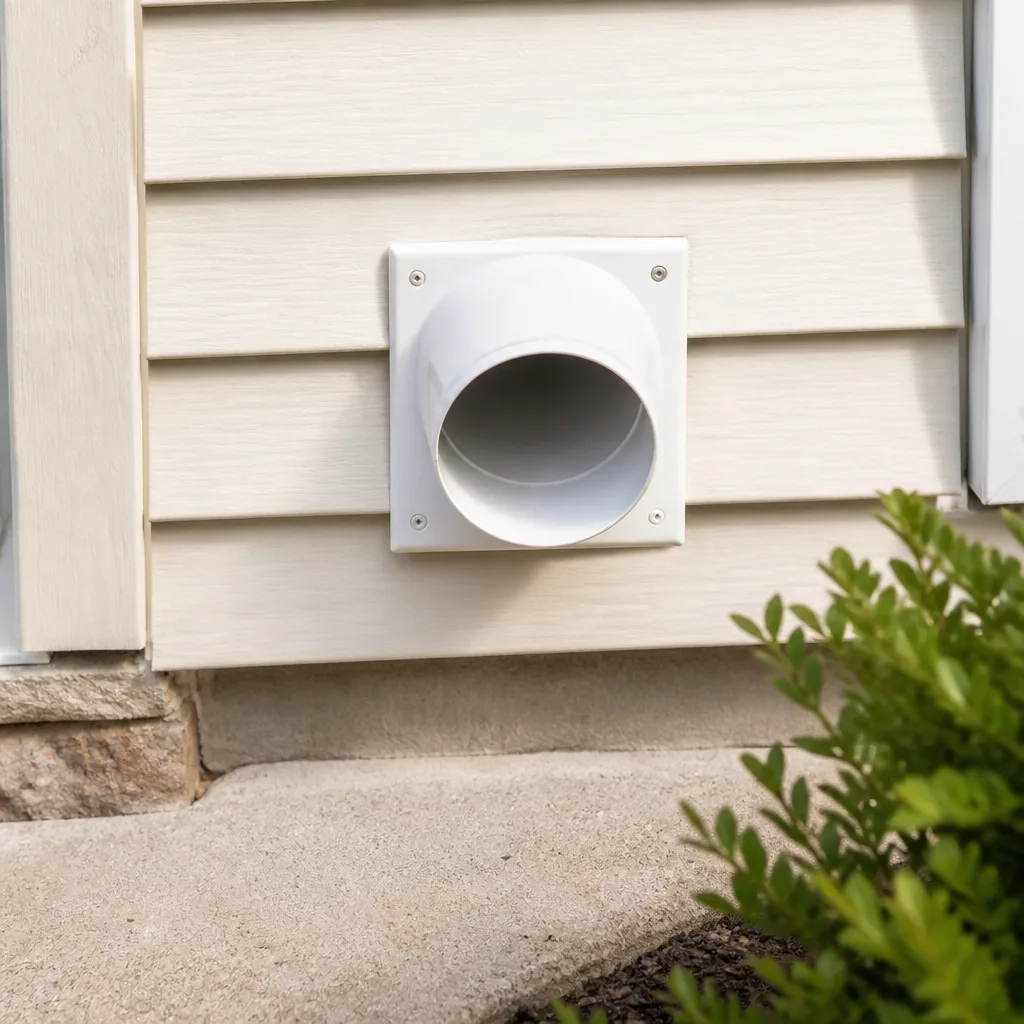 Dryer vent cleaning
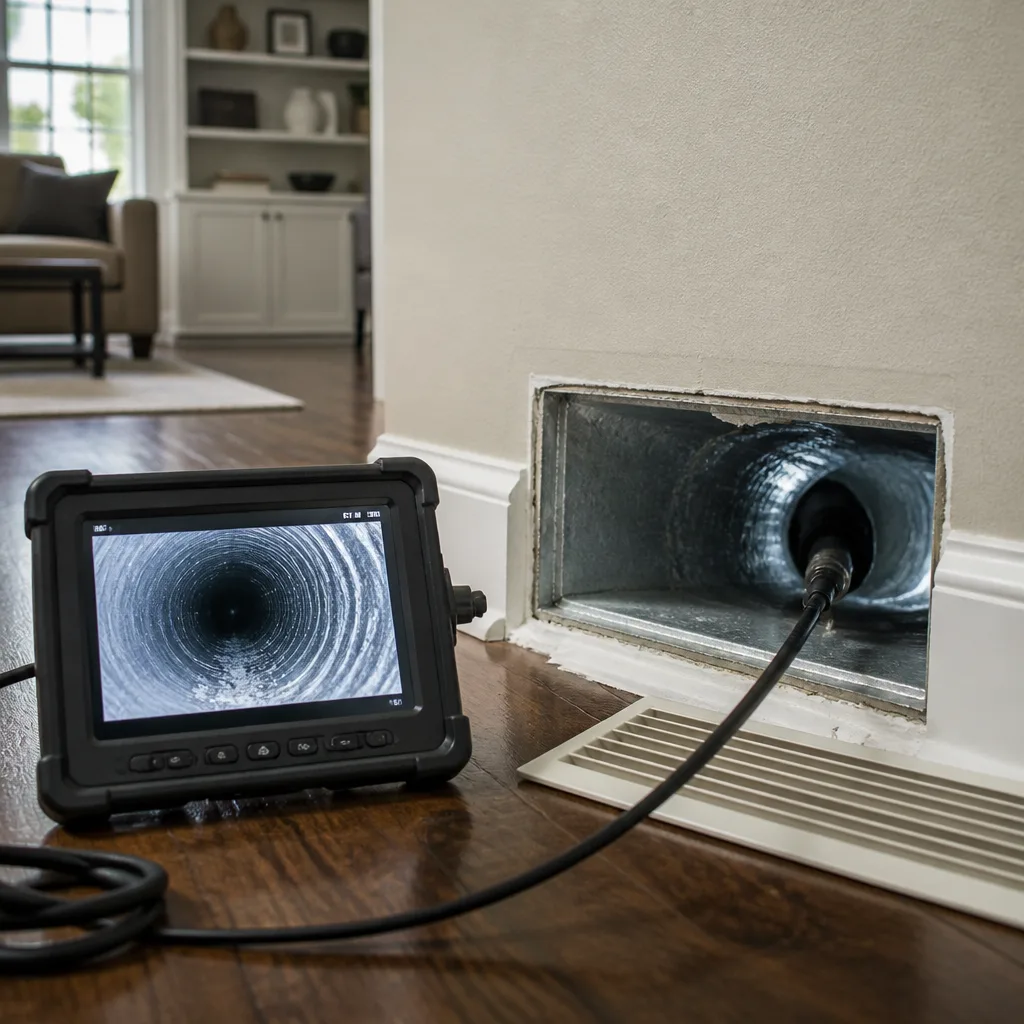 Camera inspection
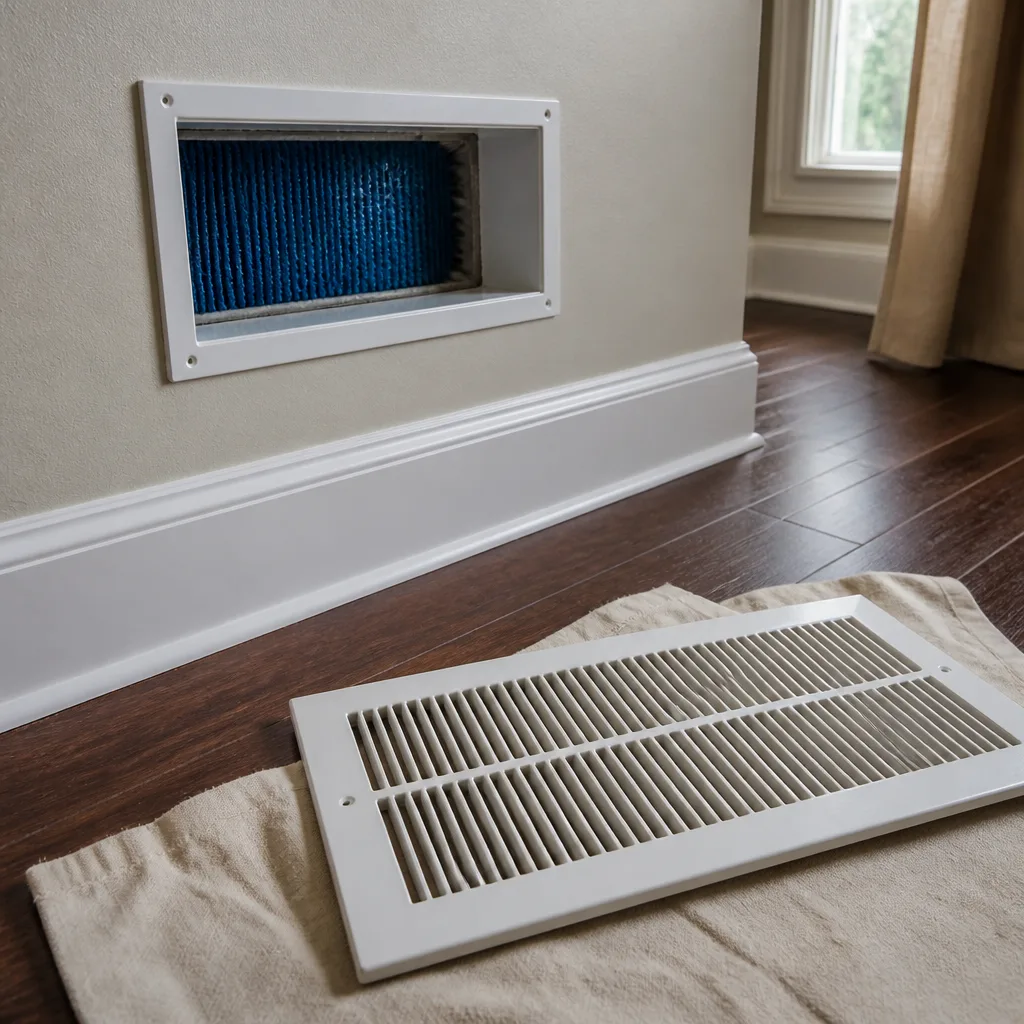 Sanitizing & deodorizing
Whole-system duct and dryer vent check with before-and-after photos - you see exactly what came out of your vents
That "$99 whole-house special" is a bait ad - the real number appears once they are in your hallway, or the "clean" is a shop-vac at the register. We photograph the inside of your ducts before and after instead.
Air Duct Cleaning Troubleshooting in Pleasant Grove: Common Problems and How to Fix Them
If your airflow problem came back two weeks after a cleaning, the technician probably treated the symptom and left the cause untouched. That’s the part most homeowners don’t hear: a lot of what gets blamed on “dirty ducts” is really a mechanical fault. Collapsed flex duct, failed seals, or a coil caked in grime all push the same weak airflow and stale smells through your registers. Cleaning won’t fix any of them. This guide teaches you to read the symptoms correctly before you spend a dollar, so you know whether you’re looking at contamination, a restriction, or a broken duct run in a Pleasant Grove home. Troubleshooting first, spending second.
Quick Answer
Most air duct problems in Pleasant Grove fall into one of two buckets: contamination (odors, visible debris, dust blowing from registers) or mechanical restriction (weak airflow, unbalanced zones, kinked or collapsed duct). Cleaning solves the first. The second needs duct repair and sealing or replacement, and cleaning on top of a mechanical fault usually doesn’t stick. Diagnose which bucket you’re in before booking anything.
Styles & brands we work with
- Whole-home duct cleaning
- Dryer vent cleaning
- Camera inspection
- Sanitizing & deodorizing
Table of Contents
- Contamination vs. Mechanical: Which Problem Do You Actually Have?
- The Tissue-at-the-Register Test
- Collapsed and Kinked Flex Duct in 1990s-2010s Pleasant Grove Homes
- Why a Dirty Evaporator Coil Mimics Duct Contamination
- The Decision Tree: Cleaning, Sealing, or Replacement
- What Duct Repair and Sealing Actually Involves
- Symptom-to-Cause Chart
- Common Mistakes to Avoid
Contamination vs. Mechanical: Which Problem Do You Actually Have?
The single most useful split in duct troubleshooting is contamination versus restriction. They feel similar from the living room couch but need completely different work. Contamination is about what’s in the air path. Restriction is about how much air moves through it. Getting this wrong is why some homeowners pay for a cleaning and the airflow is no better a week later.
Contamination shows up in a few recognizable ways:
- Musty, dusty, or sour odors when the system starts up
- Visible dust or debris puffing from supply registers
- Dust settling on horizontal surfaces faster than usual after cleaning
- Dark streaking around register grilles or at ceiling seams
- Allergy symptoms that flare when the HVAC runs
Restriction shows up differently. Rooms that never get comfortable. A register you can barely feel. One side of the house warm while the other is cold. A furnace that runs longer cycles than it used to. The blower is pushing, but the air isn’t reaching the rooms, because something in the duct run is choking it.
In Pleasant Grove, the split matters because our housing stock leans on flexible duct in attic spaces. Dry summer heat and wide seasonal temperature swings in the attic put stress on that flex ducting and the tape and mastic holding it together. Contamination problems and restriction problems often coexist in the same house, and only a whole-system look tells you which is doing the most damage. That’s the difference between air duct cleaning and a repair: one addresses what’s inside, the other addresses how the pathway is built. If you want a technician to check both while they’re on site, that’s the right call before summer heat loads the system.
The Tissue-at-the-Register Test
You can get a surprising amount of information with a single square of toilet paper and no tools. The tissue test tells you which registers are moving air and which are starved. That, in turn, tells you whether you’re chasing contamination or chasing a restriction. Do this on a mild day with the system running on fan-only, or at the start of a regular heating or cooling cycle.
- Tear off a single square of toilet paper. Light and disposable, nothing that can fall into a register and get pulled into the system.
- Hold the tissue flat a couple inches in front of a supply register, not touching the grille. A strong, healthy register will flap the tissue briskly and hold it out at an angle.
- Note what you feel and see. A register with a limp, barely moving tissue is moving little air.
- Walk every supply register in the house and jot a quick rating: strong, medium, weak, none.
- Do the same at return registers. A healthy return pulls the tissue firmly toward the grille. A weak return suggests a choked filter or a badly undersized return path.
- Look at the register face while you’re there. Visible dust accumulation on the grille slats combined with weak airflow means contamination and restriction are likely both present.
Where you find a weak register, note the room. A single weak register usually points to a problem in that run: a collapsed flex section, a disconnected boot, or a damper closed or stuck. A group of weak registers on one side of the house points to a trunk problem or a pressure imbalance in the system. And if every register is weak, the problem is upstream at the blower, the filter, or the main trunk. In Pleasant Grove homes with long attic duct runs, the worst register in the house is often at the end of the run, where flex duct has the most chance to sag, kink, or crush.
Collapsed and Kinked Flex Duct in 1990s-2010s Pleasant Grove Homes
Flex duct is a great product. It’s also easy to install badly and easy to crush in an attic. In the Pleasant Grove neighborhoods built through the 1990s, 2000s, and 2010s, most houses have flexible insulated duct feeding the supply registers, with long runs looped through attic spaces that get brutally hot in July and cold in winter. That combination is a setup for the two most common mechanical faults we see.
What a collapsed run looks like from the register end
You can spot a serious kink or collapse without crawling into the attic. At the register, pull the grille cover off (usually a couple of screws) and look at the duct feeding it. A healthy run has the boot connecting to a round, fully opened flex section. A problem run shows one of these:
- A flattened or oval duct where it should be round
- A sharp bend tighter than the duct can handle, pinching the cross-section
- A visible sag where the inner liner has detached from the outer jacket
- Loose or separated tape at a joint, with a visible gap
- A duct pulled tight across a joist or truss, reducing it to a fraction of its intended diameter
Why the 1990s-2010s housing stock shows up here
Newer construction didn’t cause these problems, but it didn’t always prevent them either. Flex duct installed fast, pulled tight with short radius turns, and taped rather than sealed with mastic becomes a weak point years later. Add Pleasant Grove’s attic temperature swings and the adhesive on older tape ages and releases. A duct that was fully open when the house was new is kinked against a truss a decade later.
Cleaning a collapsed run doesn’t restore its airflow. The brush passes through, the duct stays pinched. That’s why diagnosis comes before cleaning: if a register is weak and the duct at that boot is crushed, the fix is repair and sealing, and cleaning happens as part of the same visit. One crew, full system.
Why a Dirty Evaporator Coil Mimics Duct Contamination
This is the troubleshooting blind spot. A dirty evaporator coil produces the exact symptoms homeowners associate with dirty ducts: weak airflow, musty smell, dust blowing into the rooms, and an AC unit that runs long or can’t keep up on a hot day. Homeowners in Pleasant Grove regularly call about their ducts when the actual problem is inside the air handler. Cleaning the ducts doesn’t reach it.
The evaporator coil sits in the air handler. Every cubic foot of return air passes over it before it goes back out to your supply ducts. A coil whose fins are packed with dust, lint, and biofilm restricts that passage, and the system loses airflow at the source. Nothing downstream can fix that. Symptoms that point at the coil rather than the ducts:
- Weak airflow at every register, not just one or two
- A musty or “wet sock” smell right at the air handler closet or closet vents
- Water or moisture buildup around the condensate drain line
- Ice forming on copper lines, which points at restricted airflow over the coil
- AC running longer cycles with weaker cooling than it used to deliver
The coil needs its own cleaning, with the right equipment and a real containment setup so dust doesn’t settle into the rest of the house. That’s a separate service from duct cleaning, and in our experience the most common reason a “duct cleaning didn’t help” call resolves to a coil that was never touched. If you’re going to clean one part of the air path, HVAC cleaning reaches the components that actually handle air: the blower, the coil, and the cabinet. This is exactly the reason Pleasant Grove Air Duct Cleaning Pros treats the whole air path as one system, not one piece of it. Our technicians work with Abatement Technologies containment equipment and Nikro extraction gear so the cleaning happens without cross-contaminating the home.
The Decision Tree: Cleaning, Sealing, or Replacement
Troubleshooting is only useful if it points at an action. Here’s how the findings translate. Work through it in order, because cleaning before repairing just means you’ll clean again.
- Symptoms are contamination only. Odors, dust, visible debris, no register weakness, tissue test shows airflow across the house is roughly even. This is a cleaning job. A professional rotary brush and industrial vacuum lifts and extracts the debris, register grilles get cleaned, and the system is sanitized.
- Airflow is weak at scattered registers, ducts look intact. This is usually a sealing problem. Joints, boots, and register connections have opened up. Significant air is leaking into the attic instead of reaching the room. Repair and sealing is the fix, and cleaning follows if the sealed duct is dirty.
- Airflow is weak at one register and the duct is visibly collapsed or kinked. This is localized repair. The section gets replaced or re-routed, joints get sealed with mastic, and airflow is restored.
- The coil or blower is packed, or the air handler cabinet is contaminated. This is an HVAC cleaning job, not a duct cleaning. Cleaning ducts alone won’t solve it.
- Flex duct is torn beyond repair, or major runs have fully collapsed. Replacement of that section is the answer. Cleaning or sealing a duct that can’t be brought back to working condition is wasted money.
- Multiple problems at once. The most common scenario in Pleasant Grove, and the reason doing everything in one visit with one crew beats coordinating three contractors. Clean, seal, and sanitize in the same window.
Each of these steps has a real price and a real cost of getting the call wrong. If you’re scoping a project, the honest way to plan is a written estimate set per job after someone looks at the system, not a coupon figure that balloons once the technician is inside.
What Duct Repair and Sealing Actually Involves
Duct repair and sealing is the work that stops air loss at the source, and it’s the service most air duct cleaners don’t offer. Cleaning makes the inside of the duct clean. Sealing makes it stay that way and stops the air from escaping through gaps you didn’t know existed. Pleasant Grove homes with ductwork in the attic have a lot of surface area exposed to hot or cold attic air, and leakage at disconnected joints or pulled-apart flex is one of the biggest sources of wasted energy in the house.
On a typical sealing visit, a technician:
- Checks the run to each register and inspects joints, boots, and connections at the air handler
- Reconnects and re-supports separated or sagging sections of flex duct
- Seals joints with mastic or approved tape made to hold up to attic temperature swings
- Re-checks airflow at the register with the tissue test and a pressure reading before and after
- Cleans the affected duct sections so debris isn’t trapped inside a closed system
- Confirms the improvement with before-and-after photos of the actual ducts, not stock imagery
Sealing is where the money goes much further than cleaning alone. A register starved of airflow because its duct is leaking into the attic pulls in a fraction of the air it should. Seal that joint and the same blower moves more air with no equipment change. In our experience this is the fix that actually changes how the house feels and what the utility bill looks like next month. It also matters for air quality: a leaky return duct in an attic can pull dust and insulation fibers from the attic into the air path. Sealing fixes the source. Cleaning fixes what was already carried through the system. The two kinds of work belong together, and Pleasant Grove Air Duct Cleaning Pros schedules them as one visit.
Symptom-to-Cause Chart
Use this as a quick reference when you’re troubleshooting. The first column is what you noticed, the second is the likely cause, and the third is what likely resolves it.
- Musty smell at startup, dust at registers, even airflow – contamination – air duct cleaning and sanitizing
- One weak register, tissue test flat, duct visibly kinked at boot – collapsed or crushed flex run – repair and sealing
- Weak registers scattered across the house, joints visible and open – duct leakage – repair and sealing
- All registers weak, musty smell at air handler, long cycles – dirty evaporator coil – HVAC cleaning
- Clothes dryer takes forever, lint behind the dryer – clogged dryer vent – dryer vent cleaning
- Dust returns days after a cleaning, everything else fine – filter and return-path issues – filter replacement and air handler check
- Persistent mold or moisture smell after repeated cleanings – hidden moisture source – inspection before any further cleaning
The chart isn’t a substitute for a technician looking at the system, but it will keep you from spending money on the wrong service. Nine times out of ten, the homeowner who takes five minutes to test tissue pull at every register ends up with a clearer picture of what to book.
Common Mistakes to Avoid
- Booking cleaning before diagnosing. A cleaning on top of a mechanical restriction or a dirty coil does almost nothing, and the homeowner ends up paying twice. Test first, book second.
- Assuming a coupon price will hold. If a competitor quotes a low headline price and adds per-vent charges or upgrades on site, the final invoice can be several times higher. Demand a flat price per system set by a written estimate before work starts.
- Skipping the coil and blower while cleaning the ducts. In a Pleasant Grove home running through summer, a packed coil is often the real culprit. Cleaning ducts without checking the air handler leaves the cause untouched.
- Ignoring one weak register because the rest are fine. That single weak register is often the first sign of a collapsed flex run in the attic, and a small repair now beats a full section replacement later.
- Trusting a “sanitizing” claim without seeing the equipment. Professional-grade rotary brush and vacuum equipment agitates and extracts debris at the same time. A shop vac and a spray bottle aren’t the same job.
- Forgetting the dryer vent. It’s part of the home’s exhaust and a leading cause of residential fires. A vent that’s clogged isn’t doing its job, and cleaning it is a standalone service worth doing on its own schedule.
- Skipping the before-and-after photos. Ask for photos of your own ducts, not stock imagery. Without them, you’ve got no way to confirm the work was actually done.
These mistakes aren’t about being sold something. Every one of them is a way the wrong money gets spent on the wrong problem. On the flip side, the right approach in a Pleasant Grove home is usually a single visit that cleans, seals, and sanitizes with professional-grade equipment on site, so the system is fixed, not just wiped down.
See the difference
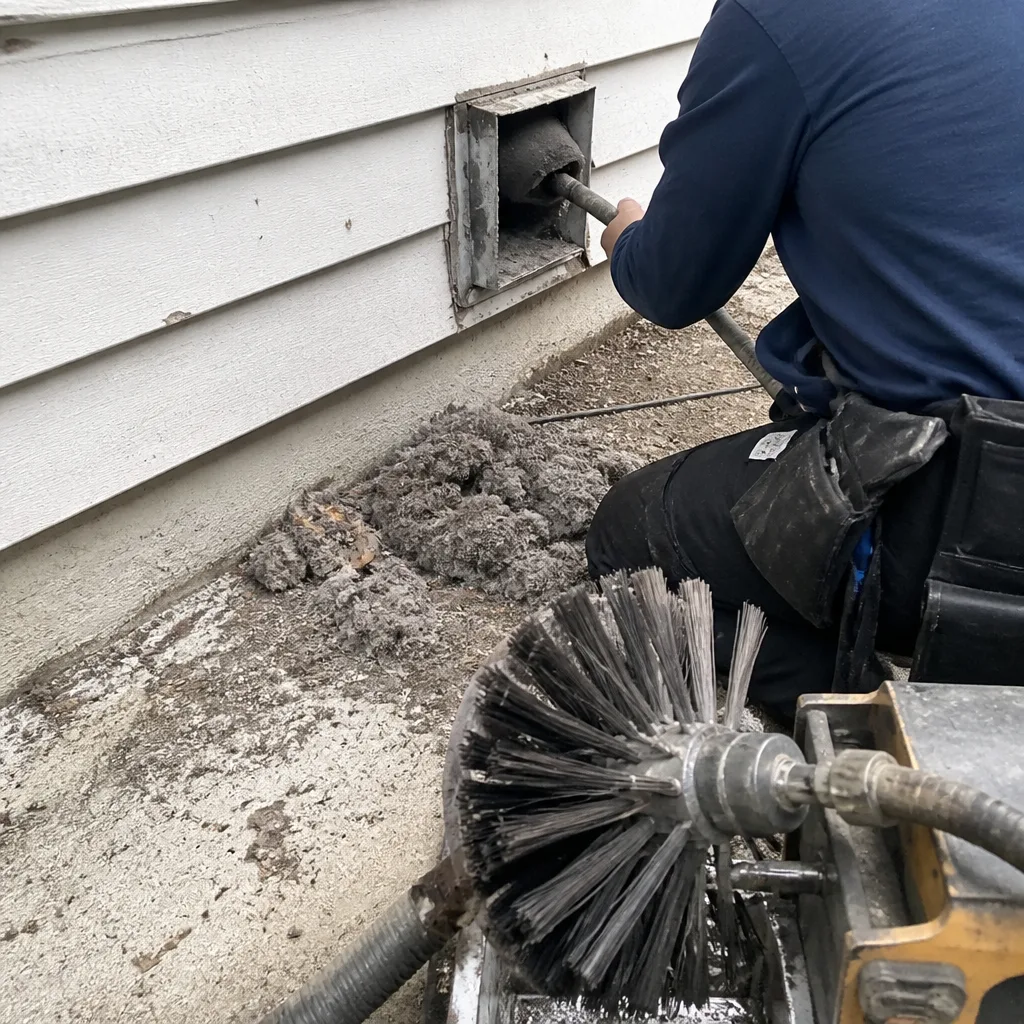 Before
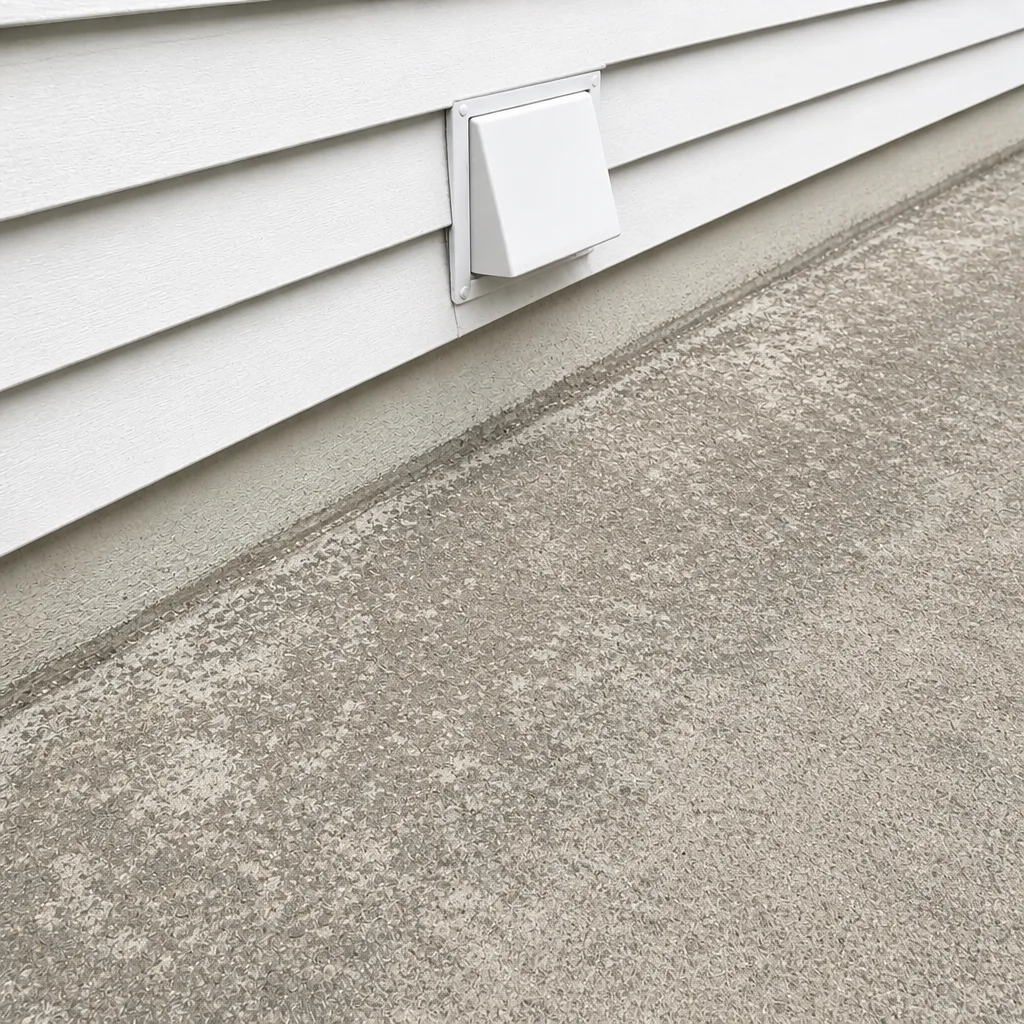 After
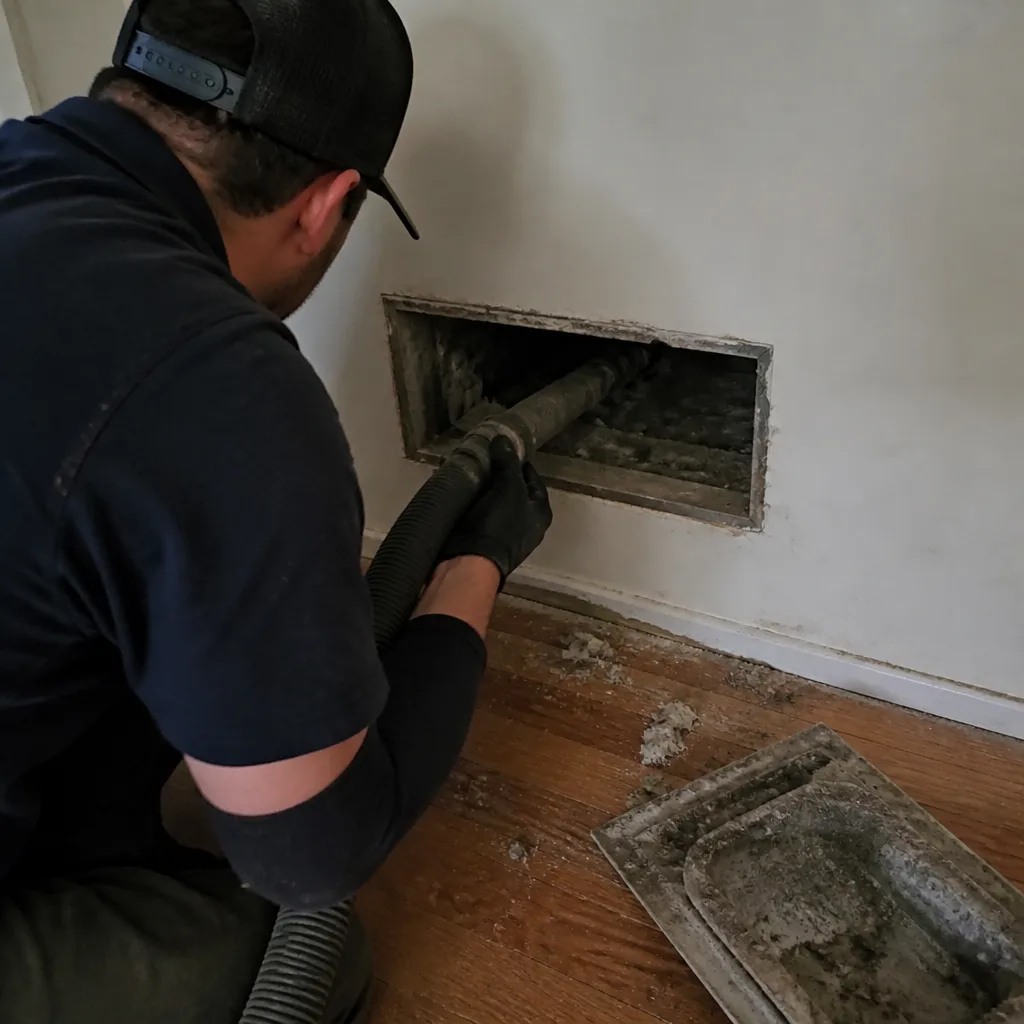 Before
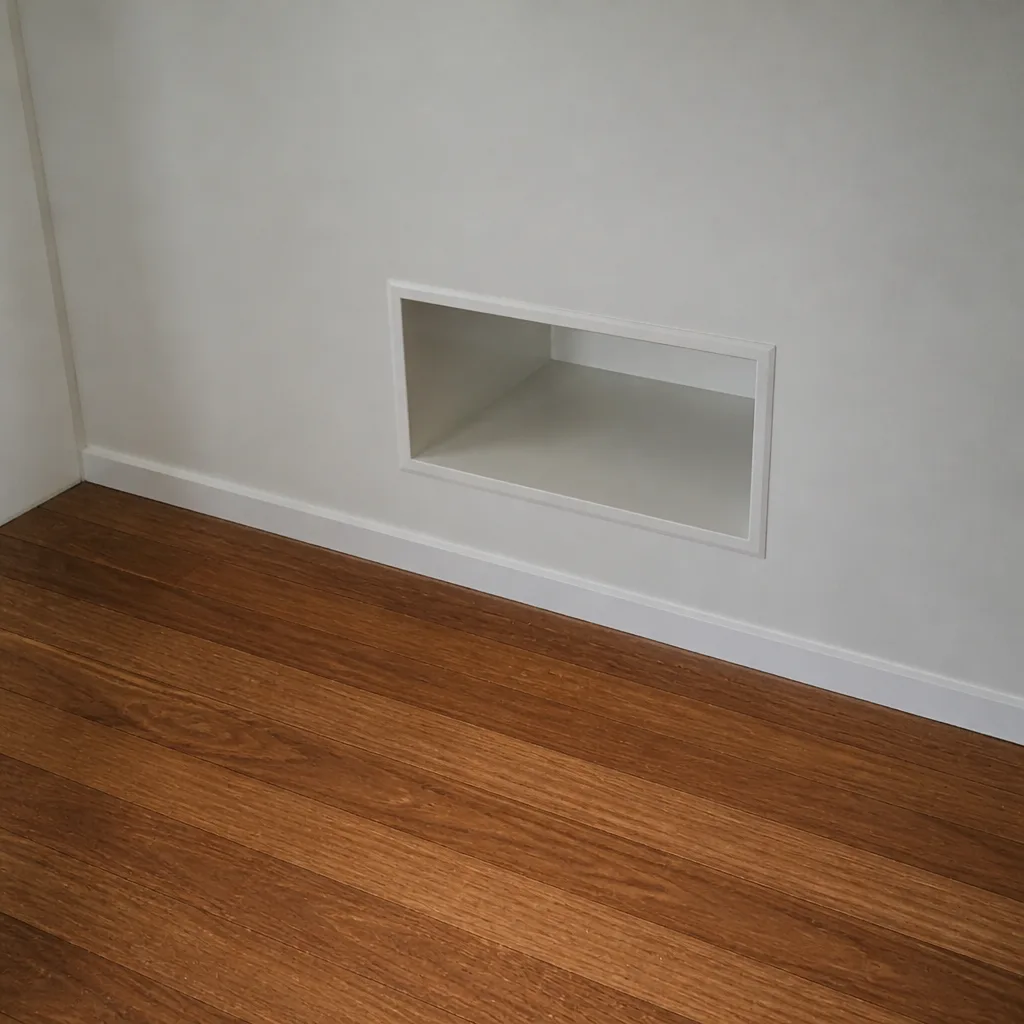 After
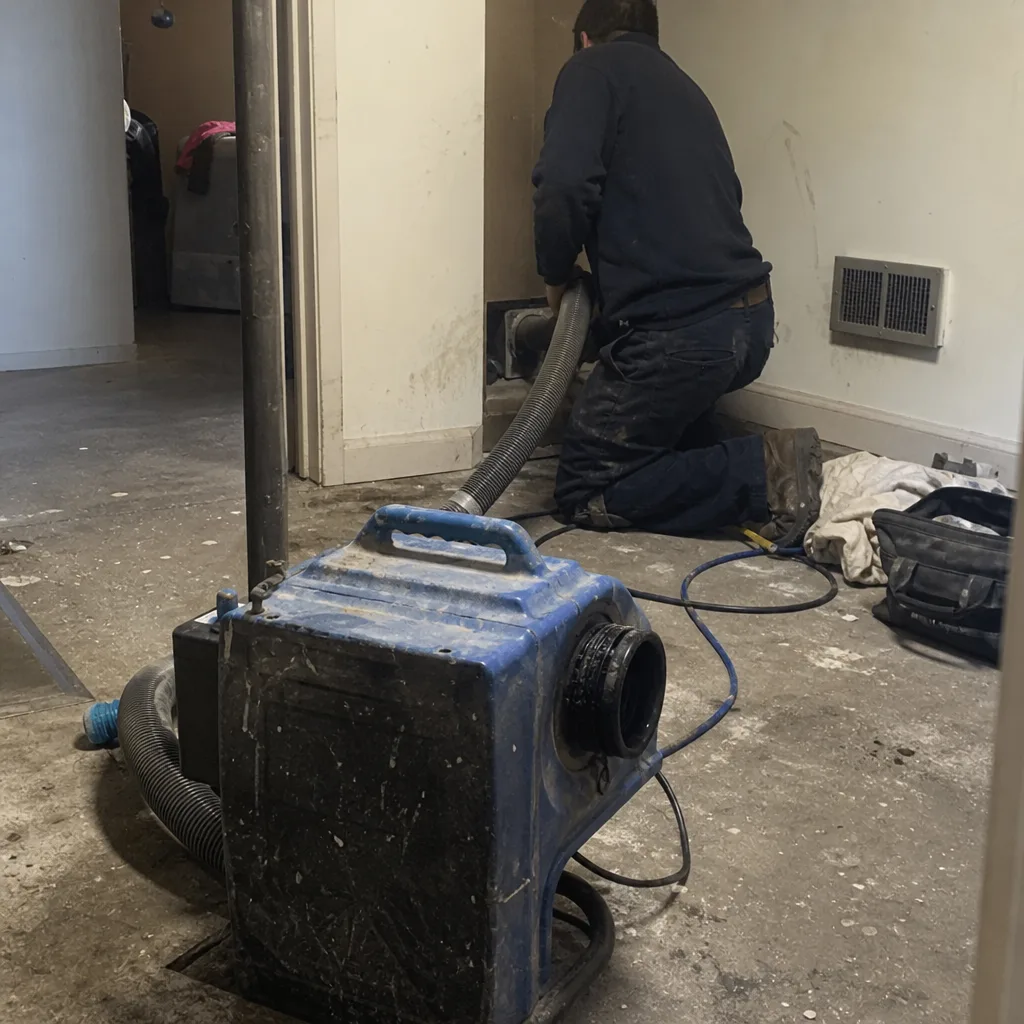 Before
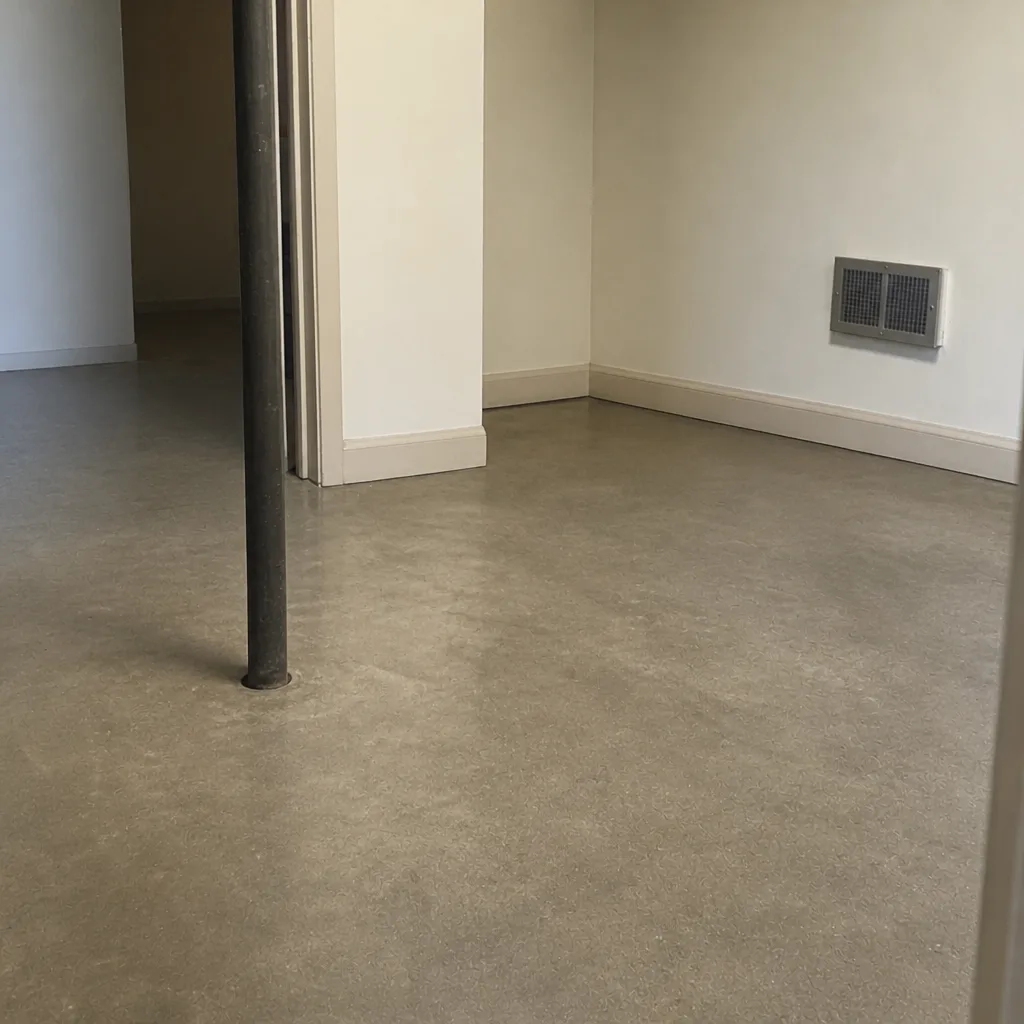 After
When to Call a Professional
Some troubleshooting belongs to the homeowner. Confirming something needs a pro is a different threshold. Call when your tissue test shows more than two weak registers, when any register is starved enough to feel nothing at all, when airflow or a musty smell returns within weeks of a cleaning, when a duct is visibly crushed or disconnected behind a register, or when the air handler or coil looks grimy. Those symptoms are past what a homeowner can safely address. If the register grille exposes a collapsed duct or a loose joint in the attic, don’t reach into the ductwork yourself; that’s a trained professional’s repair. Every visit from Pleasant Grove Air Duct Cleaning Pros starts with a free estimate, so a diagnosis costs nothing. Call (833) 513-8678. We answer 24/7. Fast dispatch from 7am to 7pm, Sunday through Friday.
Frequently Asked Questions
Because the cleaning treated the symptom and left the cause. In Pleasant Grove homes, the most common reasons airflow returns weak after a cleaning are a collapsed or kinked flex duct, a duct joint that’s opened up and is leaking air, or a dirty evaporator coil that was never cleaned. None of those are fixed by cleaning the ducts. The fix depends on which cause is present, and a technician can identify it in minutes. Call (833) 513-8678 for a free estimate.
Air duct cleaning in Pleasant Grove typically runs somewhere in the several-hundred-dollar range for a whole-home system, with a written estimate set per job. The exact price depends on the number of registers, the length of the duct runs, and whether the job includes sealing or sanitizing. Anything quoted upfront as a below-market figure is usually recovered with per-vent charges or add-ons once the technician is on site. One flat price per system, agreed before work starts, is the standard to hold a company to. Call (833) 513-8678 for an exact quote; estimates are free.
Because the work isn’t the same. A very low quote is often for a partial clean using shop-vac equipment and no rotary brush, no real containment, and no repair if one is needed. The brand-name professional systems (Rotobrush, Nikro, Abatement Technologies containment equipment) cost real money to run, and the price reflects it. Cheaper quotes sometimes come with per-vent charges that show up on the final invoice. If a price looks too low, ask what equipment and what steps are included. Call (833) 513-8678 for a straight set of ranges; estimates are free.
Before-and-after photos of your actual ducts, taken on site and shown to you before the technician leaves. That’s the single most reliable confirmation. Beyond photos, ask for the register-by-register airflow check and the tissue test at the end of the job; if airflow is measurably better and the ducts are visibly cleaner, the work was done. Call (833) 513-8678 for a free estimate.
Every three to five years is a reasonable schedule for most Pleasant Grove homes, and more often after a renovation or when a new home is purchased. If the home is running through heavy summer dust, has pets, or has any allergy issues, every two to three years makes sense. And it’s always worth a look if you notice musty odor, dust at registers, or a sudden drop in airflow. Cleaning on the right schedule stops the buildup before it becomes a health or equipment issue. Call (833) 513-8678 for a free estimate.
Most homes built in the 1990s through the 2010s in Pleasant Grove do have flexible insulated duct, at least for the supply runs to individual registers. That’s why collapsed flex and joint failures show up often in these homes. Newer homes may use rigid trunk and branch, which is more durable but can develop its own leakage issues. If you’re not sure what your ducts are made of, a quick inspection answers it. Call (833) 513-8678 for a free estimate.
The Bottom Line
The homeowner who solves their air problem fastest is the one who diagnoses before booking. Start with the tissue test at every register. If the ducts are visibly dusty or smell musty and airflow is even, you’re looking at a cleaning job. If airflow is weak, uneven, or a duct is visibly collapsed, you’re looking at repair and sealing. If the air handler or coil is grimy, that’s an HVAC cleaning. And when in doubt, the answer is a proper diagnostic visit, which is why we do the whole system in one place. Cleaning the air path isn’t the only fix; the right fix is the one your system actually needs. If you’d like a technician to look at the air path before you spend anything, Pleasant Grove Air Duct Cleaning Pros offers free estimates in Pleasant Grove. Call (833) 513-8678. We answer 24/7. Fast dispatch from 7am to 7pm, Sunday through Friday. Our technicians have up to 9 years of experience, and every job starts with one flat price per system set in writing before any work begins.
Written by the team at Pleasant Grove Air Duct Cleaning Pros.
If you’re still not sure which problem you’re looking at, the free diagnostic visit from Pleasant Grove Air Duct Cleaning Pros gives you the answer before you commit to anything. The technician uses professional-grade Rotobrush and Nikro equipment on site, checks the coil and duct runs, and writes the price before touching the system.
Call (833) 513-8678. We answer 24/7. Fast dispatch from 7am to 7pm, Sunday through Friday. The local pro who arrives is licensed and insured as their state requires. We work with Honeywell and Aprilaire products for filters and air quality upgrades, so cleaning, sealing, and sanitizing can be scheduled together if your system needs all three.