
Last updated November 23, 2026
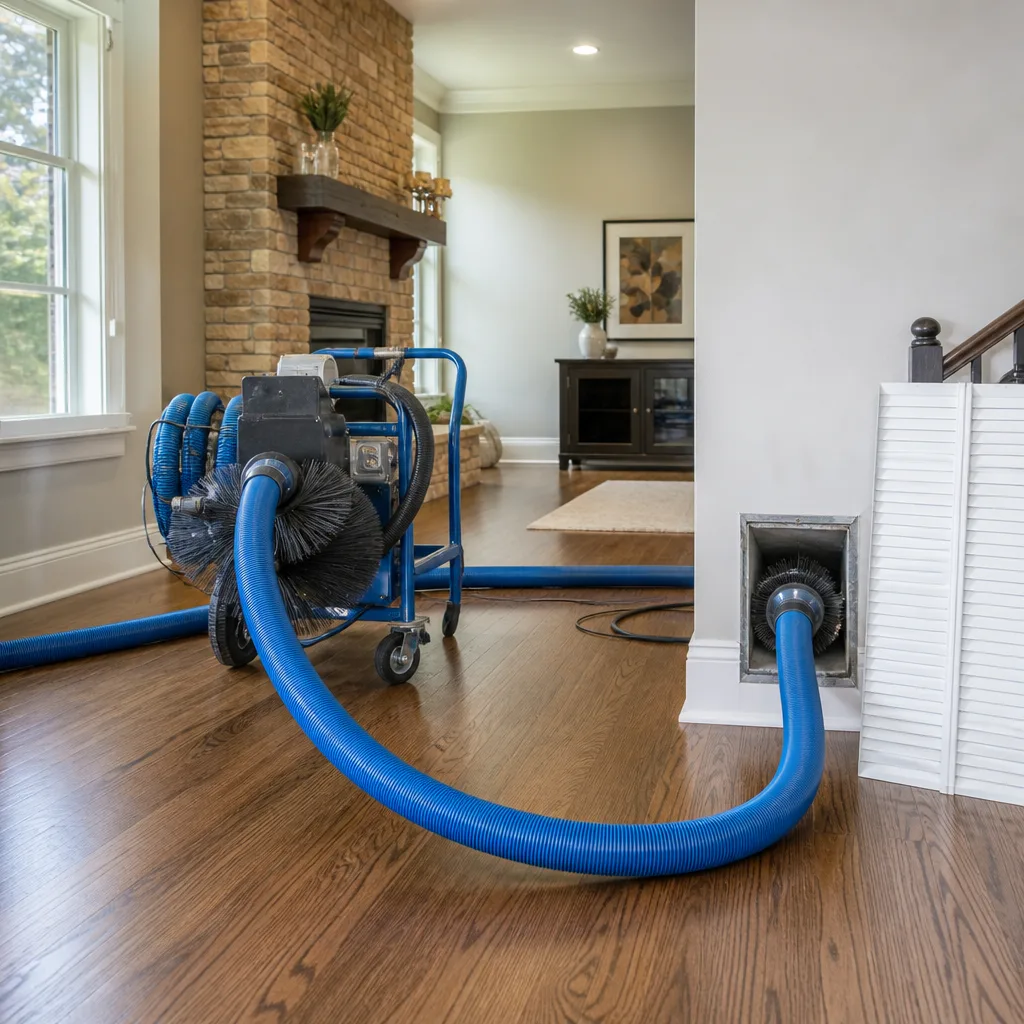 Whole-home duct cleaning
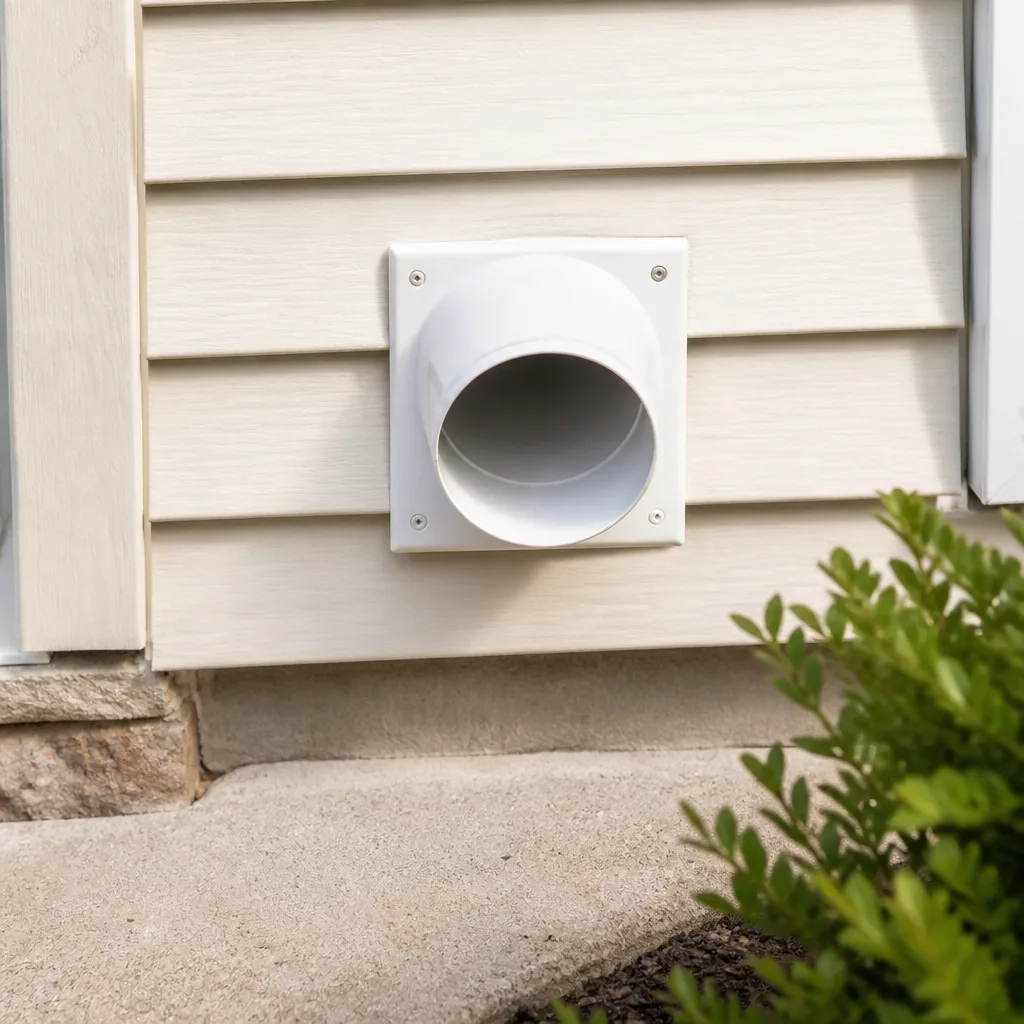 Dryer vent cleaning
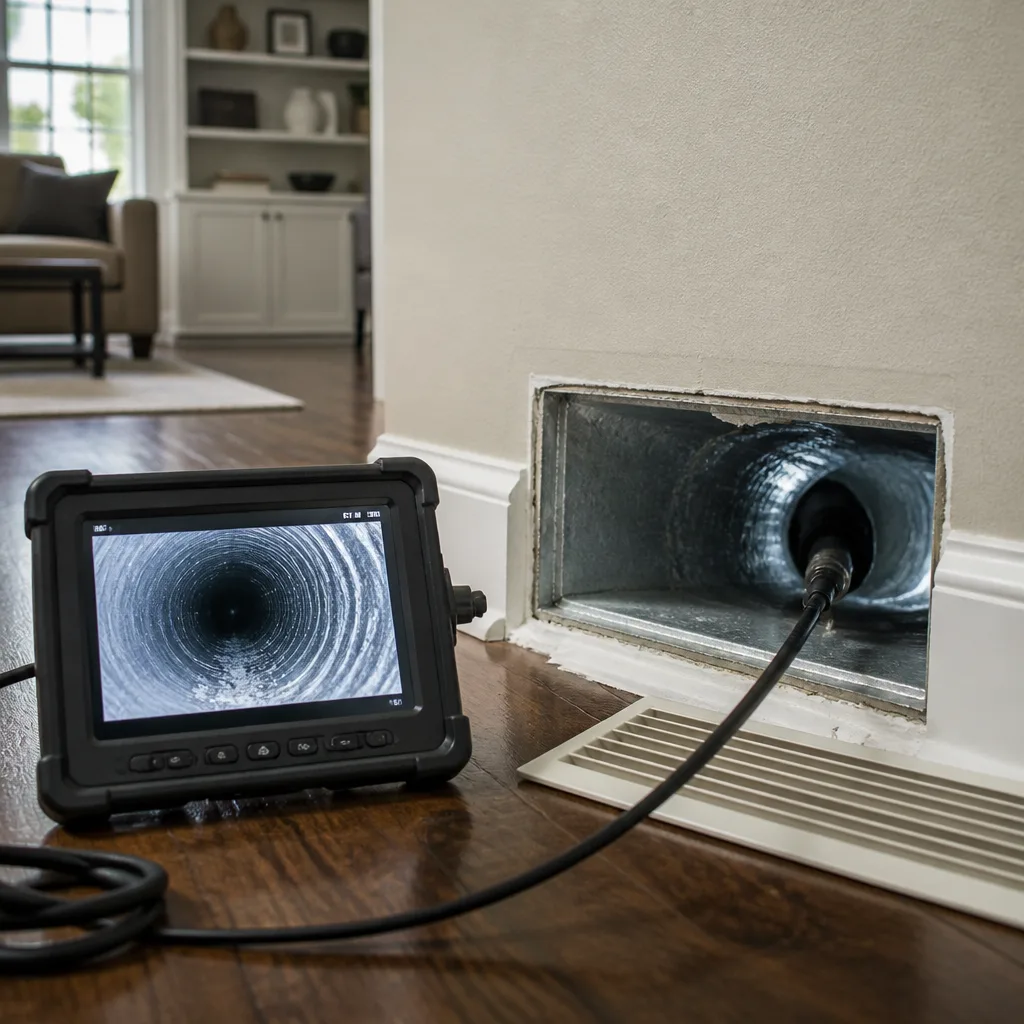 Camera inspection
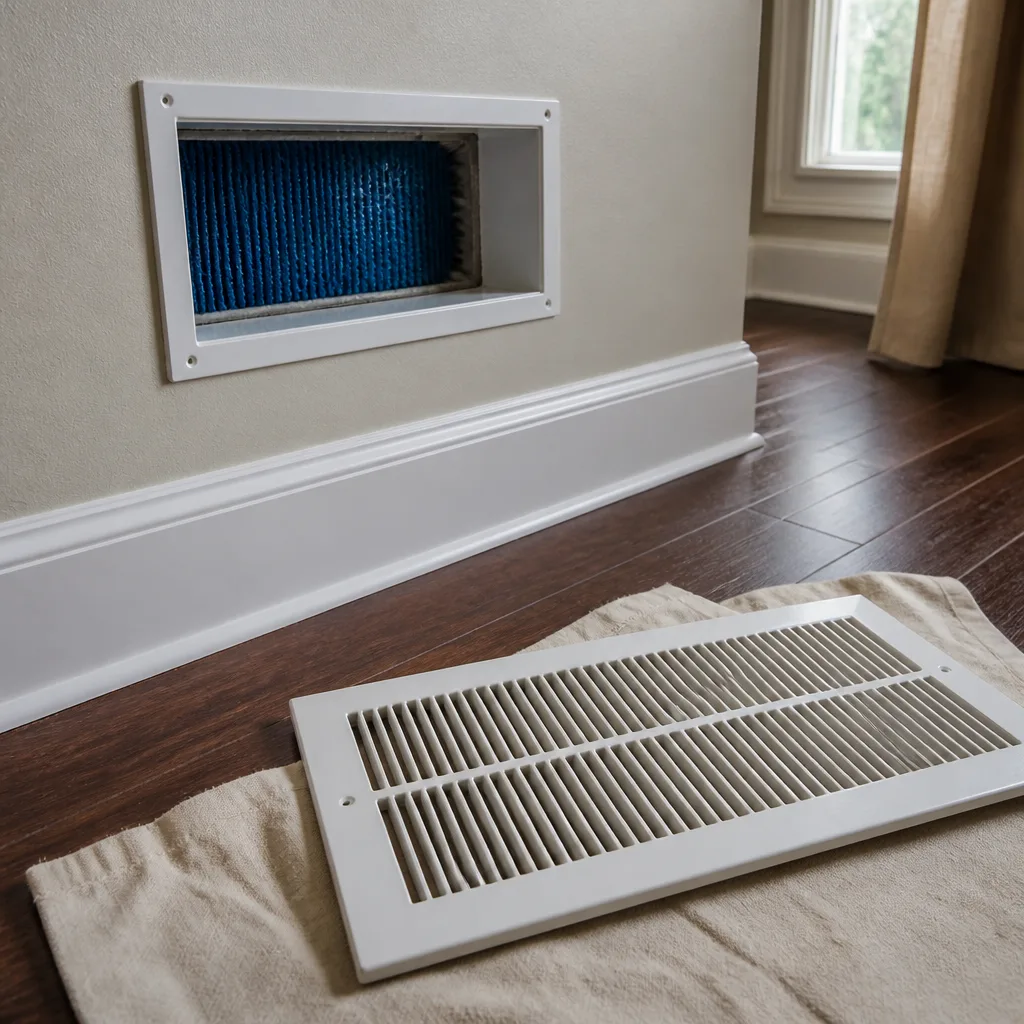 Sanitizing & deodorizing
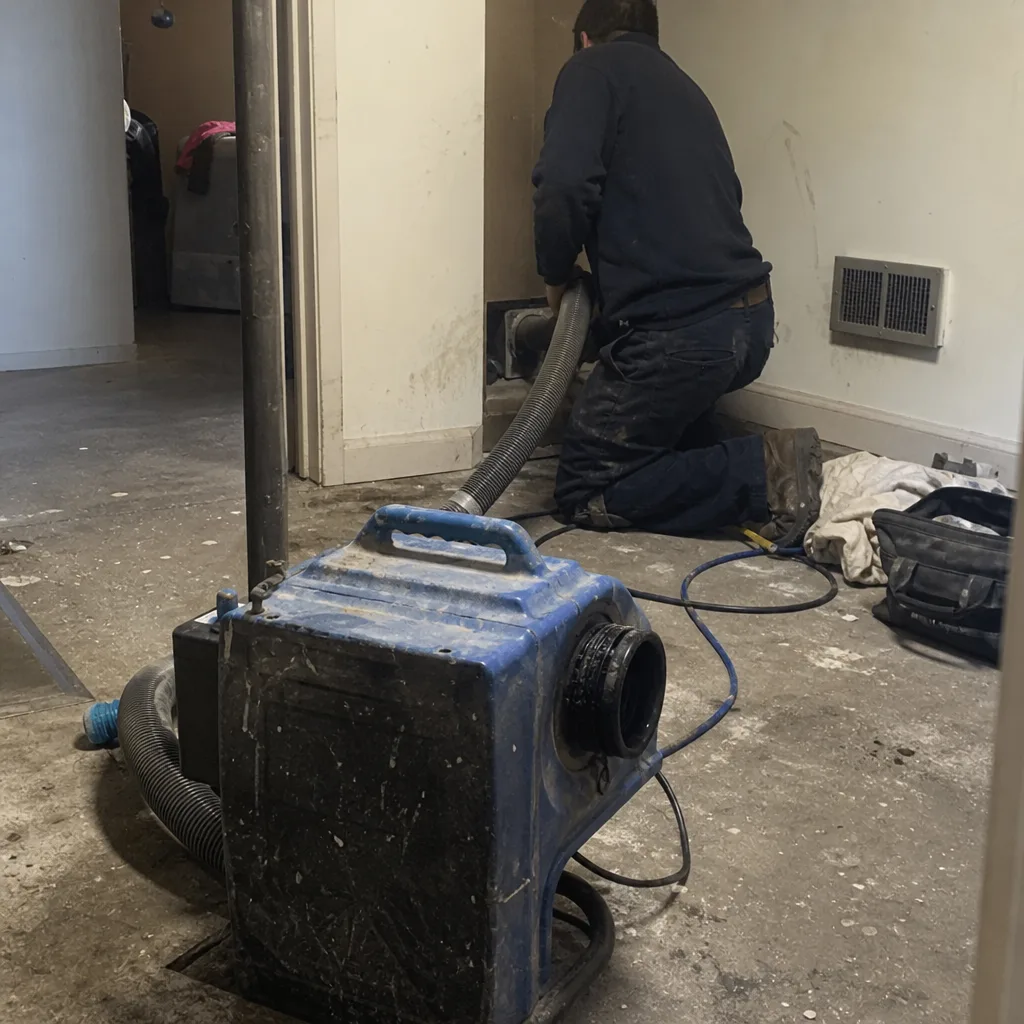
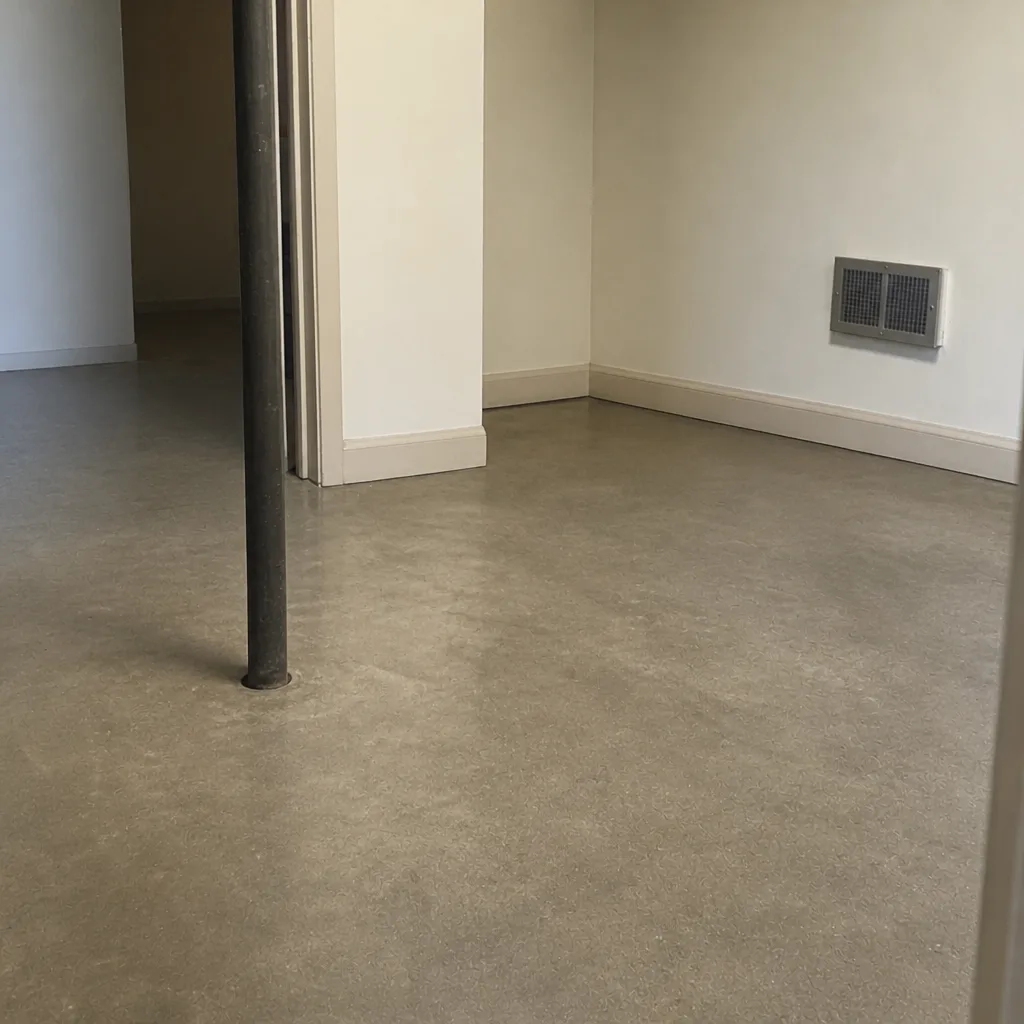
Whole-system duct and dryer vent check with before-and-after photos - you see exactly what came out of your vents
That "$99 whole-house special" is a bait ad - the real number appears once they are in your hallway, or the "clean" is a shop-vac at the register. We photograph the inside of your ducts before and after instead.
The Complete Guide to Air Duct Cleaning in Pleasant Grove
Most homeowners in Pleasant Grove treat duct cleaning as a one-time event: a crew sweeps the ducts, the vacuum runs, and the job is done. That framing is the reason so many cleanings don’t last. Ducts are only one part of a connected air pathway that also includes the air handler coil, the plenum, the registers, and every seam and joint in between. If the coil is matted with dust and the return plenum leaks, freshly cleaned ducts pull that contamination right back in within a season. This guide explains the full-system approach: what each component does, why high-altitude Wasatch Front air loads ducts faster than many other markets, how professional negative-pressure cleaning actually works, and how to judge whether a job was done right.
Quick Answer
Air duct cleaning in Pleasant Grove is the removal of accumulated dust, debris, and biological growth from the entire air pathway using negative-pressure equipment, not just a surface wipe of the registers. A complete job covers the supply ducts, return ducts, air handler, coil, and plenum, and includes documentation you can inspect. In this climate, most homes benefit from an evaluation every two to three years, sooner after renovation or if anyone in the house has respiratory sensitivity.
Styles & brands we work with
- Whole-home duct cleaning
- Dryer vent cleaning
- Camera inspection
- Sanitizing & deodorizing
Table of Contents
- Why Pleasant Grove’s Air Loads Ducts Faster Than You’d Expect
- The Five Components of the Full Air Pathway
- What NADCA-Standard Negative Pressure Actually Means
- Rotary Brush and HEPA Equipment: What to Look For
- Sanitizing That Works vs. Sanitizing That Masks
- How to Read a Post-Cleaning Inspection Report
- Duct Repair and Sealing: Fixing the Root Cause
- How Often Does Air Duct Cleaning Really Need Doing?
Why Pleasant Grove’s Air Loads Ducts Faster Than You’d Expect
Pleasant Grove sits against the Wasatch Front, and the geography that makes the area beautiful also makes it hard on HVAC systems. The valley traps fine particulate – mineral dust from the surrounding foothills, spring pollen, and periodic wildfire smoke that settles along the benches when summer inversions hold. Add high altitude and very dry air, and you get a combination that accelerates duct fouling faster than the national averages you’ll find quoted on generic cleaning sites.
Here’s what that means in practice. Dry air keeps dust from clumping, so fine particles stay airborne longer and get pulled into returns instead of settling on floors. When wildfire smoke drifts in during a smoke event, it carries particles small enough to pass through standard filters and coat the inside of duct walls and the evaporator coil. Homes near new construction or on streets with ongoing road work pull in even more mineral dust. In our experience working Pleasant Grove neighborhoods like the bench areas above State Street and the older blocks closer to downtown, the homes that sit closest to open foothill terrain tend to show heavier buildup in return chases than homes tucked into sheltered subdivisions.
The takeaway isn’t that Pleasant Grove homes are dirtier. It’s that the local climate loads the air pathway at a rate that makes an actual evaluation – not a fixed calendar interval – the right way to decide when cleaning is due. If you’ve had a smoke event, a renovation, or a neighbor’s roofing project blow through, the ducts took that load whether or not a year has “passed.”
The Five Components of the Full Air Pathway
Cleaning only the ducts without addressing the rest of the pathway produces diminishing returns. Here are the five components that matter, and what each one contributes to your indoor air.
- Supply ducts. The branches that carry conditioned air to each room. These collect the lightest dust and can harbor growth if moisture gets in.
- Return ducts and plenum. The larger runs that pull air back to the furnace. These carry more volume and typically hold the heaviest debris, and a leaking plenum will draw attic or crawlspace air straight into the system.
- The air handler and blower. Dust-coated blower wheels lose efficiency and throw debris back into the airstream. This is one of the most ignored parts of a “duct cleaning.”
- The evaporator coil. A matted coil restricts airflow, raises energy use, and becomes a growth site. Cleaning it isn’t optional if you want the results to last.
- Registers and grilles. The visible endpoints. They need to be removed, cleaned, and reinstalled, and the boot behind each one cleaned as well.
If a contractor cleans only the first and fifth items – the visible supply runs and the grilles – the coil keeps shedding dust and the plenum keeps pulling contaminants back in. The system looks clean for a few weeks and then announces itself again. That’s the diminishing return we’re talking about, and it’s why a full-system evaluation matters more than a coupon price. It’s also the reason we treat air duct cleaning as a single connected pathway rather than a bag of separate chores.
What NADCA-Standard Negative Pressure Actually Means
Source removal is the core principle behind professional duct cleaning: you agitate the debris loose while pulling it out of the system under negative pressure so it never enters the living space. In practice this means a vacuum powerful enough to hold the whole duct run at negative pressure while brushes and air whips break debris free. Without that pressure differential, agitation just redistributes dust.
Equipment comes in two broad categories, and which one is appropriate depends on the home:
- Truck-mounted units. High-CFM vacuums that park outside and connect to the duct system through a length of hose. The best fit for larger homes, multi-branch systems, and heavy debris loads where you need sustained airflow to move material out of long runs.
- Portable high-powered units. Industrial-grade portable vacuums with HEPA filtration, appropriate for condos, smaller homes, systems with limited access, or jobs where a truck can’t reach the connection point.
What matters isn’t the label on the machine. It’s whether the contractor matches the vacuum to the size and layout of your system, and whether they use containment equipment – we carry Abatement Technologies air filtration gear for exactly this reason, so that dust is controlled at the source during the work rather than drifting through the house. A single shop-vac setup cannot hold a whole duct run at negative pressure, no matter how many hoses are attached. If someone arrives with nothing more than a portable shop vacuum and a drill brush, the equipment itself tells you the job will be surface-level.
Rotary Brush and HEPA Equipment: What to Look For
Contact-based cleaning is the standard for ducts that haven’t been touched in years. A rotary brush system does two things at once: it agitates debris off the duct walls with a spinning brush head, and the attached vacuum extracts it in the same motion. Rotobrush systems are the benchmark we work with for this reason – the brush makes physical contact with every surface of the run, and the vacuum captures what the brush frees, so nothing is pushed further down the line.
For heavy jobs, we pair rotary brushes with Nikro industrial vacuum equipment rated for professional duct remediation, and use air whips to reach branches the brush can’t physically navigate. In our experience, the difference between a good result and a mediocre one usually comes down to three things:
- Brush contact along the full run. Every branch, including the short ones feeding closets and hallways, gets the same treatment.
- Sealed connections. Vacuum hoses have to be sealed at the access point so the system actually pulls rather than leaking air around the hose.
- Coil and blower cleaning. If the coil is bypassed, the job isn’t finished.
If you’re hiring elsewhere and want to know what to ask, those three questions – do you brush every branch, how do you seal the vacuum, and will you clean the coil – will tell you more than a brochure. The same logic applies to HVAC cleaning, which covers the mechanical heart of the system beyond the ducts themselves.
Sanitizing That Works vs. Sanitizing That Masks
Sanitization has a real place in duct work, but the word gets used loosely. A treatment that works addresses the microbial load directly, with a product designed for HVAC surfaces, applied as a fine mist or fog to the duct walls after cleaning. A treatment that masks adds fragrance and calls it clean. The distinction matters because a masked odor returns as soon as the fragrance dissipates, while uncontrolled growth on a coil or damp duct wall keeps producing the smell.
Two things separate the two approaches. First, chemistry: the product needs to be formulated for HVAC use and applied at the correct dilution. Second, application method: a fog reaches surfaces only if the ducts have been physically cleaned first, because a coating sprayed over dust and debris binds to the grime, not the wall. We sanitize only after source removal is complete, and we choose the treatment based on what the inspection found – microbial growth, odor from a prior leak, or smoke residue from a wildfire event. If someone offers to “sanitize” without cleaning first, or the only product is an air freshener, you’re paying for a scent.
The right sequencing, in order, looks like this:
- Agitation and negative-pressure extraction of debris.
- Visual inspection of ducts, coil, and plenum with photos or video.
- Targeted application of a sanitizing product where growth or odor was found.
- A final verification pass and a written record of what was treated and why.
How to Read a Post-Cleaning Inspection Report
A legitimate contractor should hand you documentation, not just a bill. The report is your proof the work happened, and it’s also the best defense against the bait-and-switch reputation this trade has earned. Here’s what a useful report includes and what it tells you:
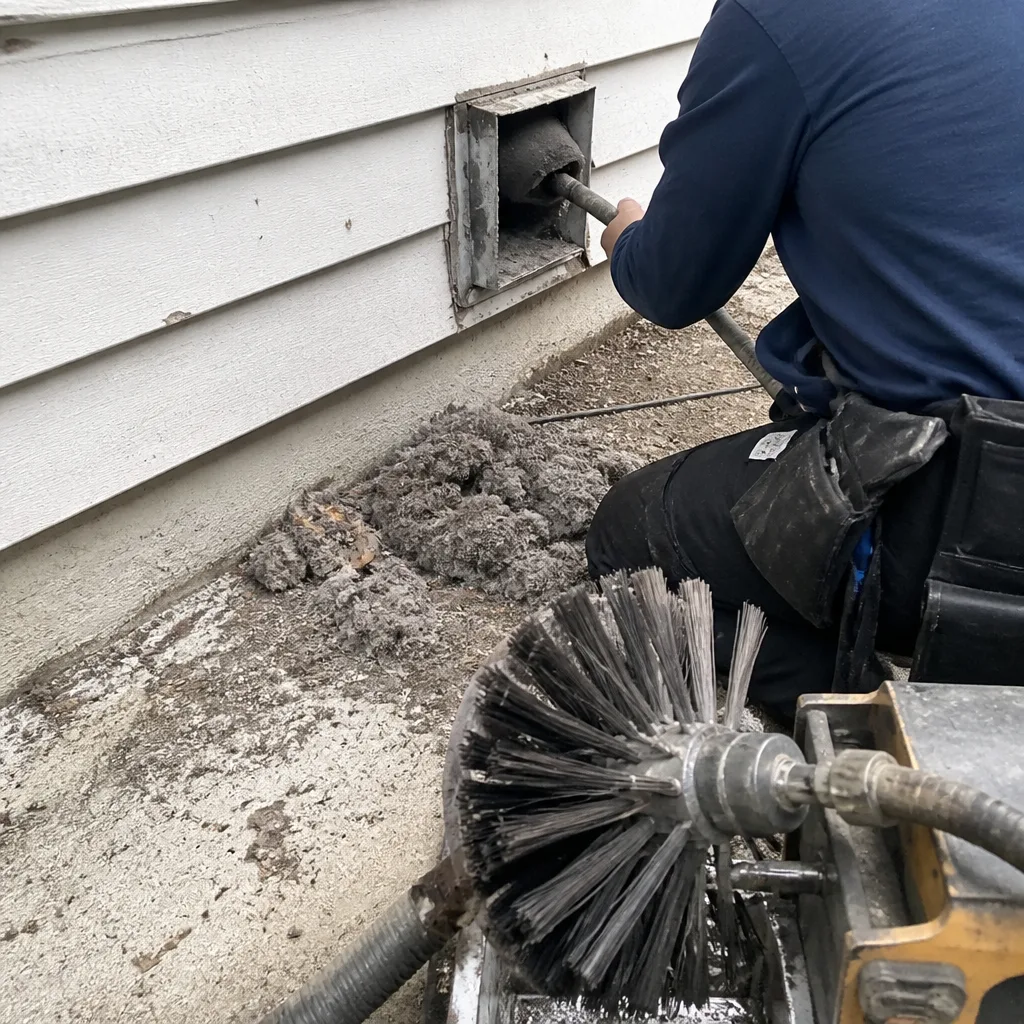
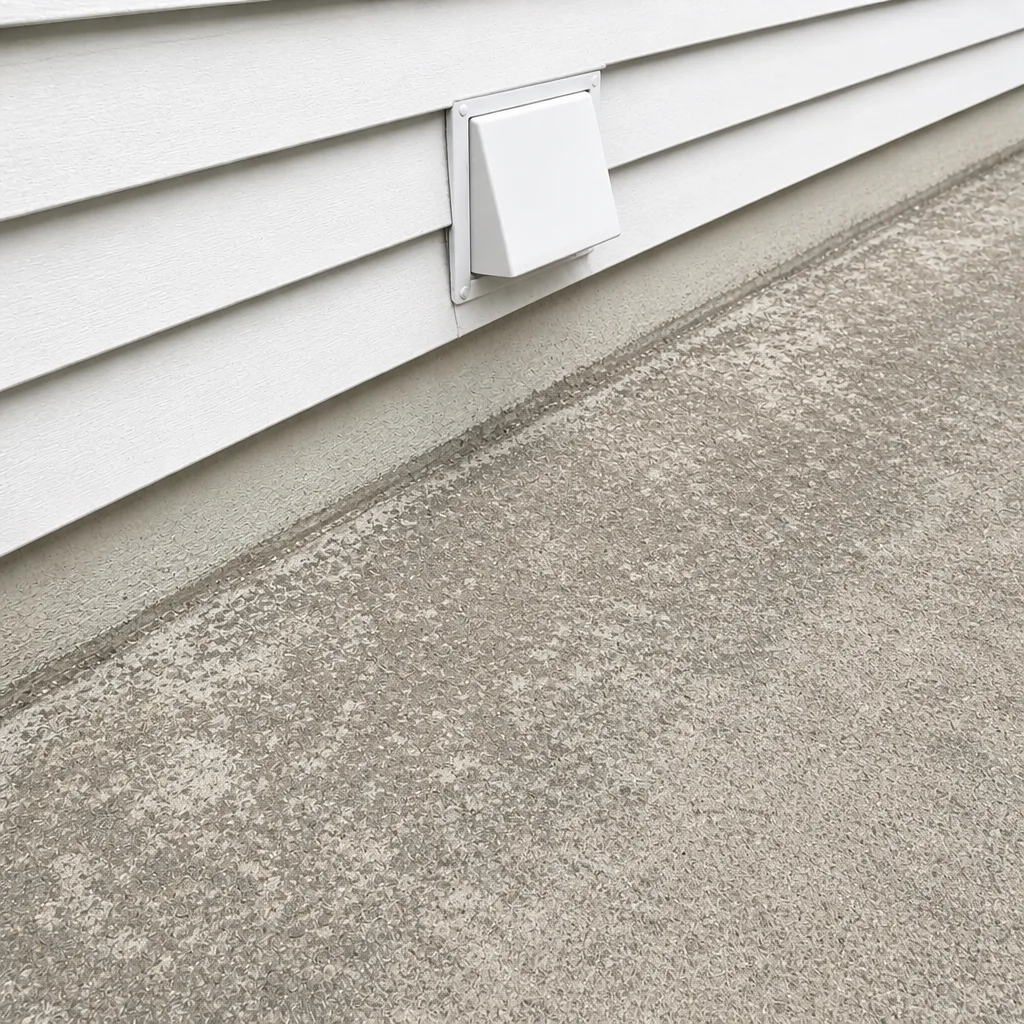
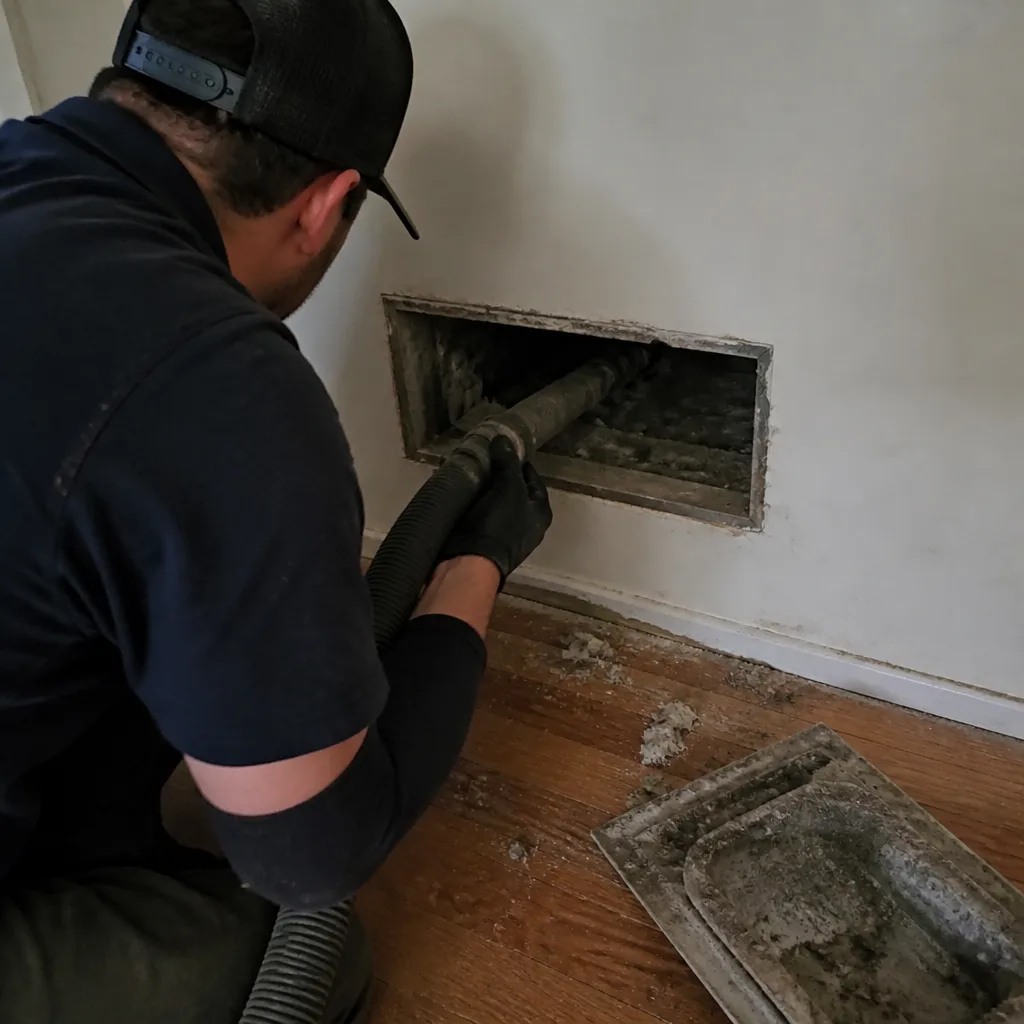
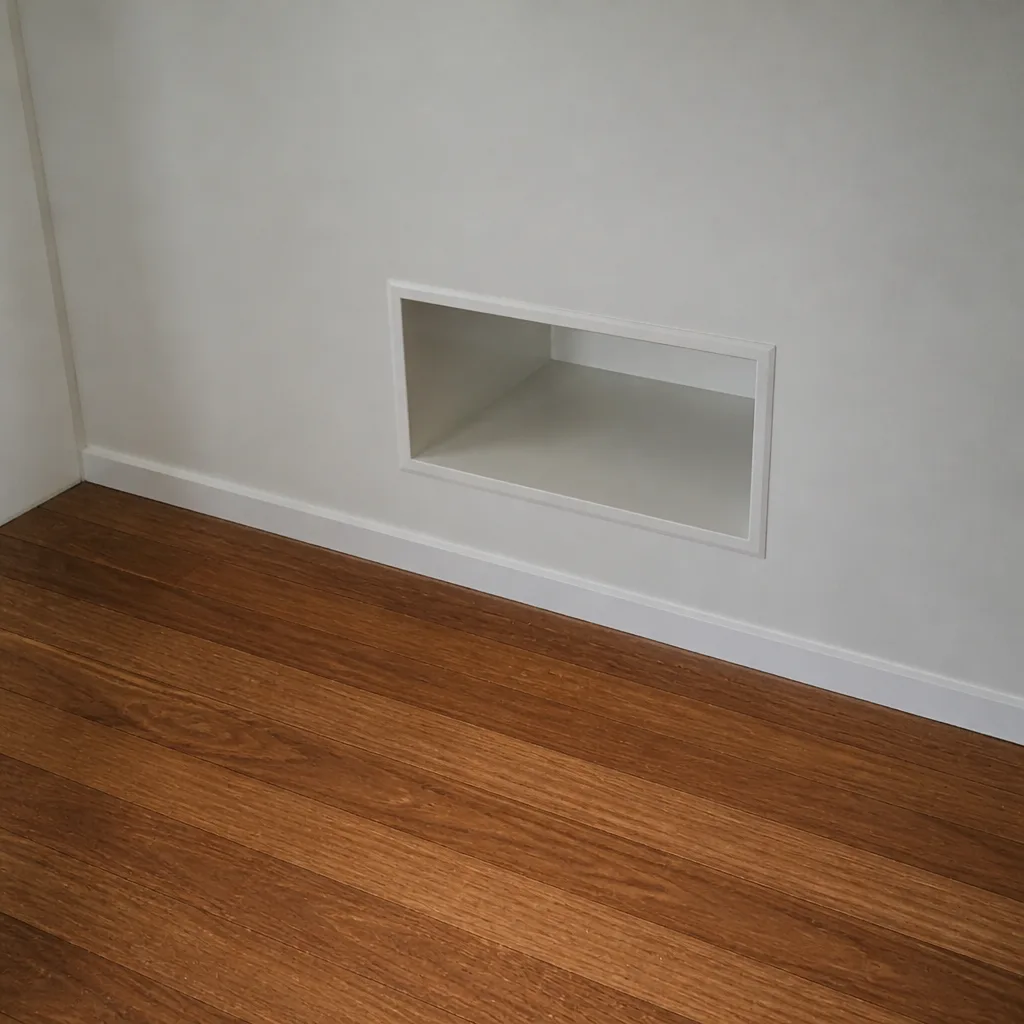
- Before-and-after photos of your own ducts. Not stock images. The photos should show the same branch or plenum from the same angle, and you should be able to match the location to a room or a labeled access point.
- Pre-cleaning inspection notes. Where the debris was heaviest, whether the coil needed cleaning, and what condition the plenum and seals were found in.
- A record of the equipment used. Rotary brush, HEPA or industrial vacuum, containment filtration. This is checkable against what you saw on site.
- A list of access points cut and resealed. Professional cleaning can require cutting small access holes in rigid ductwork. The report should note where they were and confirm they were sealed afterward.
- Findings and recommendations. Sealing opportunities, a coil that needs a separate service, a dryer vent that needs attention – the issues found but not resolved during the cleaning.
If a contractor can’t produce before-and-after photos of your actual system, that’s the answer to the question “how do I know the work was actually done?” A verbal assurance isn’t documentation. We provide photos of your own ducts as part of the report precisely because that’s the honest way to close the job. It’s the same standard we apply to Pleasant Grove Air Duct Cleaning Pros and every service in the full-system scope.
Duct Repair and Sealing: Fixing the Root Cause
Cleaning addresses what’s in the ducts. Sealing addresses why it comes back. Duct leakage is common in older Pleasant Grove homes, particularly in attic-run supply branches where joints work loose and tape degrades over time. A leaking joint pulls unconditioned air from the attic or crawlspace into your system, and that air carries dust, insulation fibers, and whatever else is floating around the space above the ceiling. In a Pleasant Grove home with an attic air handler, this is one of the most common reasons duct cleaning “doesn’t stick.”
Duct repair and sealing isn’t an upsell. It’s the step that makes the cleaning last, and it’s a straightforward extension of what a full-system evaluation finds. Depending on the condition of the ducts, sealing may involve:
- Mastic and mesh sealing of accessible joints and seams in the return and supply runs.
- Replacement of failed tape and disconnected flex duct connections.
- Sealing of plenum penetrations and access points.
- Repair or replacement of damaged duct sections where contamination or collapse was found.
When we find seal failures during a cleaning, we flag them in the report with photos so the homeowner can decide based on what’s actually there rather than a sales pitch. That’s the “we repair what we find” approach, and it’s the reason our five services sit under one crew – you’re not coordinating a duct cleaner, a sealing contractor, and an air quality specialist, all describing the same system differently.
How Often Does Air Duct Cleaning Really Need Doing?
There’s no fixed calendar answer, and any contractor who quotes one number as universal is simplifying. In our experience, the honest guideline for Pleasant Grove homes is an evaluation every two to three years, with earlier checks after specific events. Here’s the trigger list we use:
- After a renovation – drywall dust and construction debris load the returns heavily even with plastic containment up.
- After a nearby wildfire smoke event – smoke particles coat duct walls and the coil, and a standard filter doesn’t stop them.
- On a home purchase – you don’t know the previous owner’s maintenance history, and the first evaluation settles that question.
- When anyone in the house has respiratory sensitivity or allergy symptoms that worsen indoors – this is a reason to look, not a diagnosis.
- When you see visible debris at the registers, or the ducts have a musty odor – both suggest the coil or plenum may be involved.
- When the HVAC system is running longer than it used to – a matted coil or blower restricts airflow and can mimic a failing system.
If the evaluation shows clean ducts, that’s a legitimate outcome and it’s what the inspection fee is for. We’d rather tell you the system is clean than clean it again for the invoice. And if a dryer is running in that same Pleasant Grove home, a separate inspection of the vent is worth doing at the same visit – it’s the one appliance in the house where lint buildup is a fire concern, not just an efficiency one. That’s covered by dryer vent cleaning.
Common Mistakes to Avoid
- Booking on coupon price alone. A low headline price often means a shop-vac setup, no coil cleaning, and no documentation. Ask what the price includes before you book, and be wary when the answer changes when the technician arrives.
- Cleaning ducts but skipping the coil and plenum. This is the number one reason results don’t last a season. A matted coil and a leaking plenum re-contaminate clean ducts within weeks.
- Assuming cleaning is a substitute for a filter change. A clean system with a clogged filter fouls back up quickly. In dry Pleasant Grove air, use the filter and change interval the system was designed for.
- Ignoring seal failures in attic duct runs. If disconnected or leaking joints pull attic air into the system, cleaning alone can’t win. Get the sealing findings in writing.
- Accepting a “sanitization” without cleaning first. A fragrance fog over dust is cosmetic. Look for a product made for HVAC surfaces applied after source removal.
- Skipping the post-cleaning documentation. No before-and-after photos of your own ducts means no way to confirm the job happened. Insist on the report.
- Treating the dryer vent as a comfort issue. Lint buildup in a vent run is a fire concern. Have it inspected separately, especially if the vent run is long or the dryer takes more than one cycle to dry a load.
See the difference
 Before
 After
 Before
 After
 Before
 After
When to Call a Professional
Call a professional if you’re seeing debris at the registers, if a musty or smoke odor lingers when the system runs, or if the HVAC is struggling to maintain temperature in a way that suggests a matted coil or blower. Call after a renovation, a wildfire smoke event, or a home purchase where the maintenance history is unknown. Call if the dryer takes more than one cycle to dry a load, or if you see lint around the vent termination. And call if a previous “cleaning” left you without documentation – the evaluation will tell you what condition the system is actually in. Pleasant Grove Air Duct Cleaning Pros offers free estimates in Pleasant Grove – call (833) 513-8678. We answer 24/7. Fast dispatch from 7am to 7pm, Sunday through Friday.
Frequently Asked Questions
Most whole-system air duct cleanings in the Pleasant Grove market run somewhere in the low-to-mid hundreds of dollars for a standard single-family home, with the final price set by the written estimate after a walkthrough of the system’s access, size, and condition. Quotes that come in far below that usually reflect a narrower scope: supply ducts only, no coil or plenum, no documentation. We give one flat price per system, agreed before any work starts, with no per-vent pricing. Call (833) 513-8678 for an exact quote – estimates are free.
Cheaper quotes usually mean a smaller job disguised as a full one: a single portable vacuum instead of a matched negative-pressure source, visible supplies cleaned but not the returns or the coil, and no before-and-after photos of your own ducts. The trade deals with this pattern enough that it’s worth asking exactly what the price covers. Our whole-system work uses rotary brush and industrial vacuum equipment, cleans the coil and plenum, and hands you photo documentation when it’s done. Call (833) 513-8678 to compare quotes like for like – estimates are free.
You should receive before-and-after photos of your own ducts taken from matched locations, along with a written record of what was cleaned, sealed, or sanitized. If the report doesn’t show your system, the job wasn’t documented. Request the report as part of the estimate so there’s no surprise. Call (833) 513-8678 and we’ll explain what our documentation includes – estimates are free.
For most Pleasant Grove homes, an evaluation every two to three years is a reasonable baseline, but events should override the calendar: renovation, wildfire smoke, a home purchase, or allergy symptoms that worsen indoors are all reasons to look sooner. The dry, high-particulate Wasatch Front air loads systems faster than many other markets. Call (833) 513-8678 to book an evaluation – estimates are free.
It can help when the source of the load is in the air pathway – dust, construction debris, or smoke residue coating the ducts and coil – and it does little when the source is elsewhere. That’s why the evaluation comes first: it tells you what’s actually in the system before anyone promises a result. A clean system with a sealed plenum and a clean coil reduces the material that symptoms respond to. Call (833) 513-8678 to talk through your situation – estimates are free.
Dryer vent cleaning is a standalone service, and it’s worth doing as its own visit because lint buildup is a fire concern rather than an HVAC comfort issue. It’s often convenient to combine with a duct visit if both are due, but you don’t need a duct cleaning to book it. Call (833) 513-8678 to schedule a dryer vent inspection – estimates are free.
The Bottom Line
Duct cleaning lasts when it’s treated as a full-system job. That means negative-pressure source removal across the supply and return runs, cleaning the air handler and coil, checking the plenum and seals, and documenting the work with photos of your own system. In a high-particulate, high-altitude market like Pleasant Grove, a fixed calendar interval is less useful than an evaluation that reads the actual condition of your system – and a repair-and-sealing step when the inspection finds leaks. The five services we handle as one crew – duct cleaning, dryer vent cleaning, HVAC cleaning, duct repair and sealing, and air quality and sanitizing – are the pieces of that pathway. One crew, full system, and a report you can read.
Ready to know what’s actually in your ducts? Call (833) 513-8678 for a free estimate. We answer 24/7. Fast dispatch from 7am to 7pm, Sunday through Friday.
Written by the team at Pleasant Grove Air Duct Cleaning Pros.