
Last updated November 23, 2026
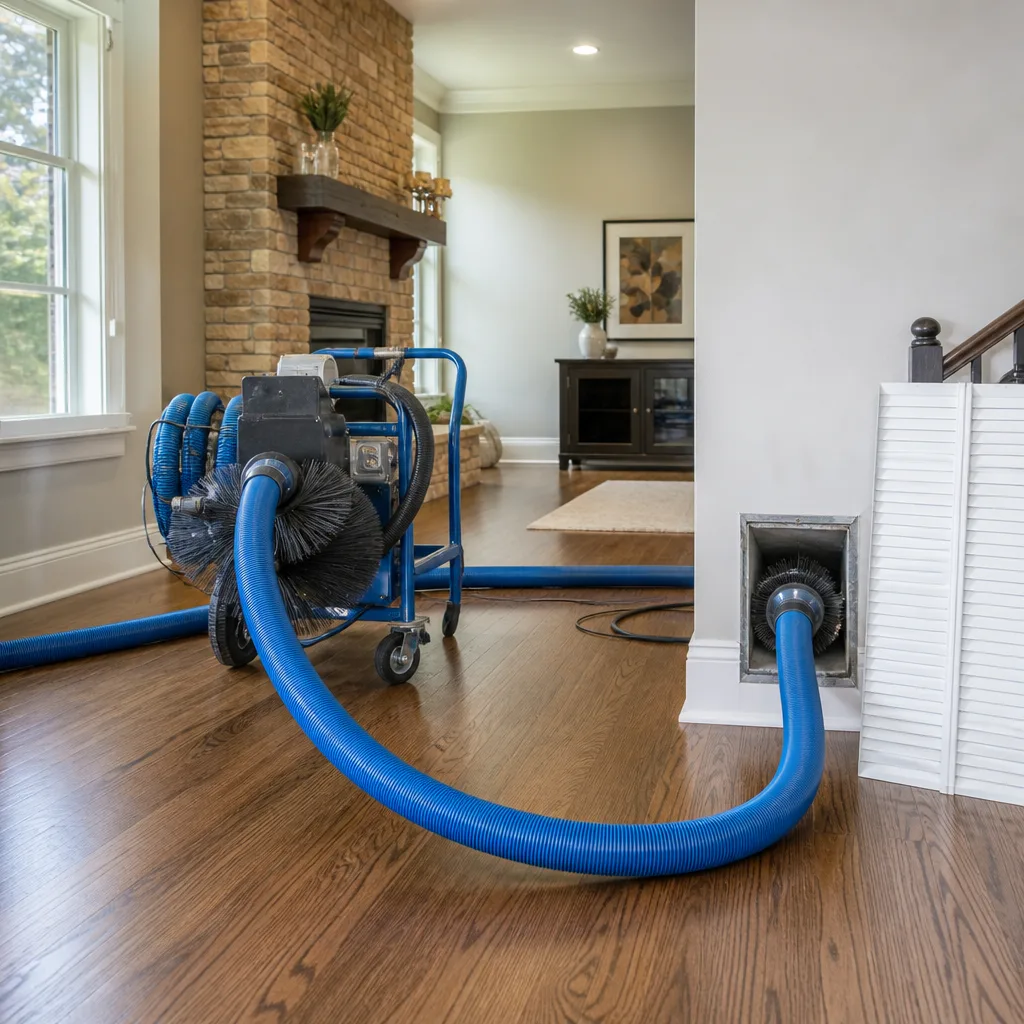 Whole-home duct cleaning
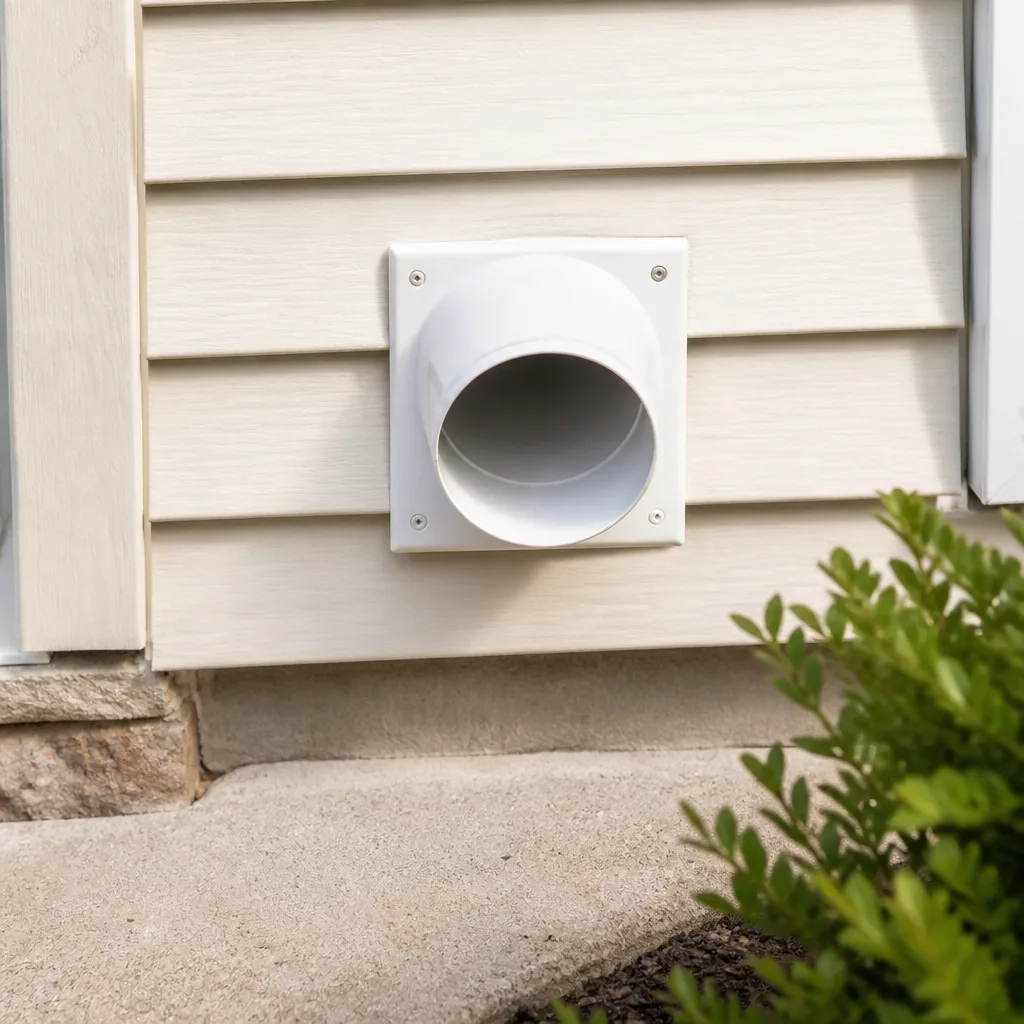 Dryer vent cleaning
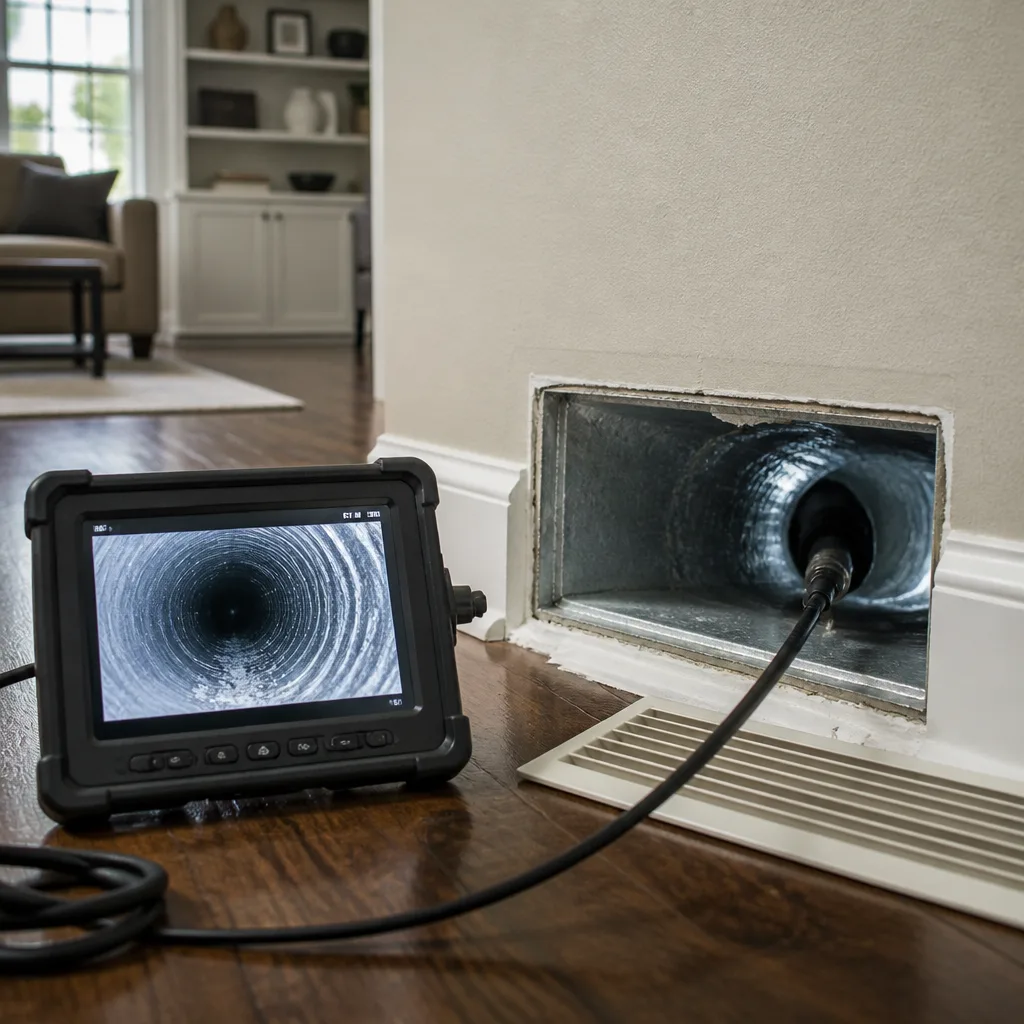 Camera inspection
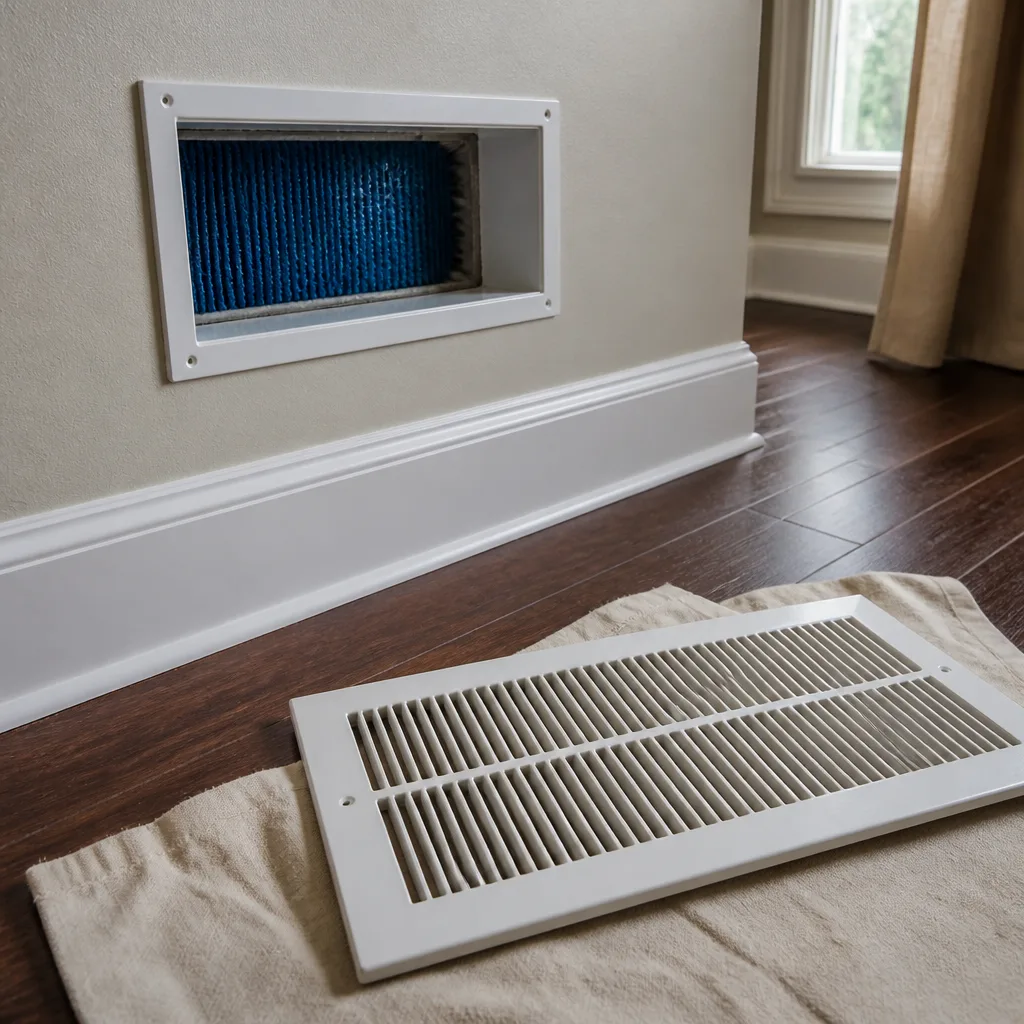 Sanitizing & deodorizing
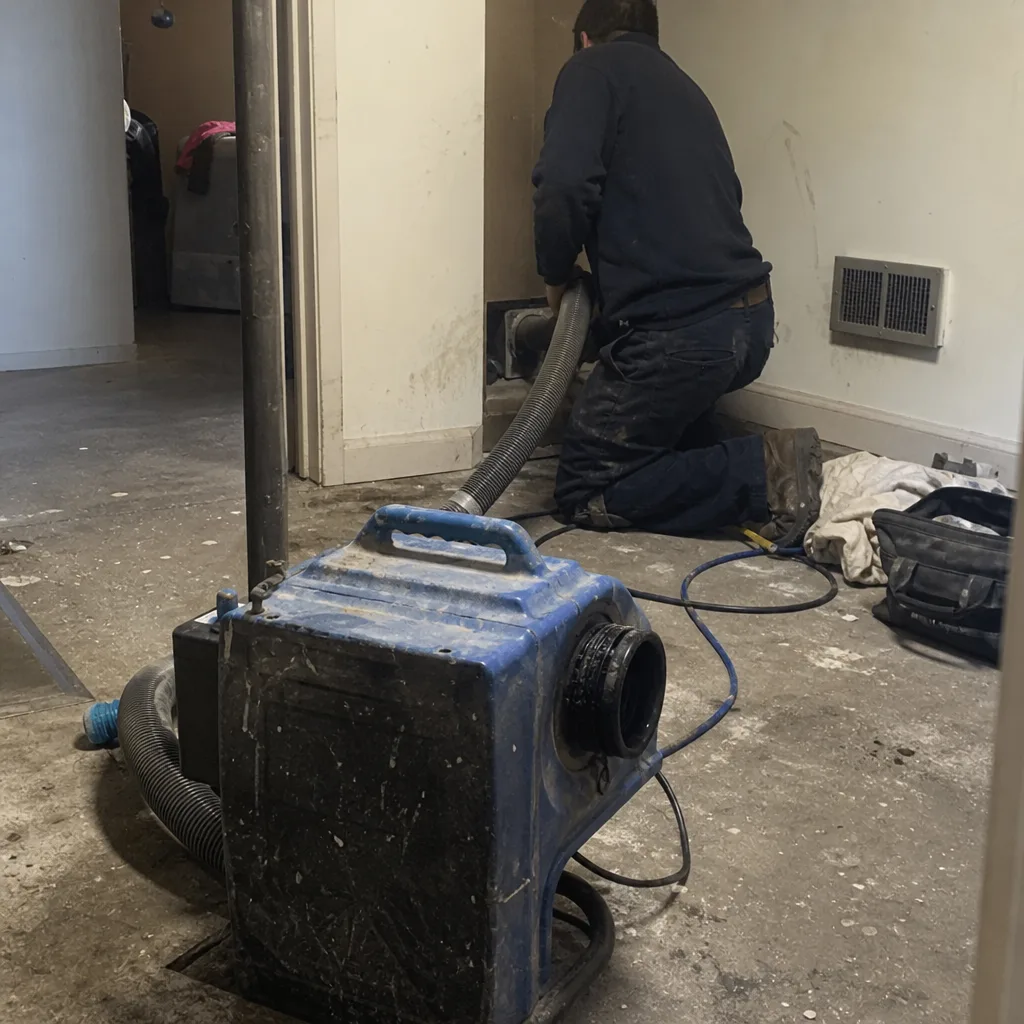
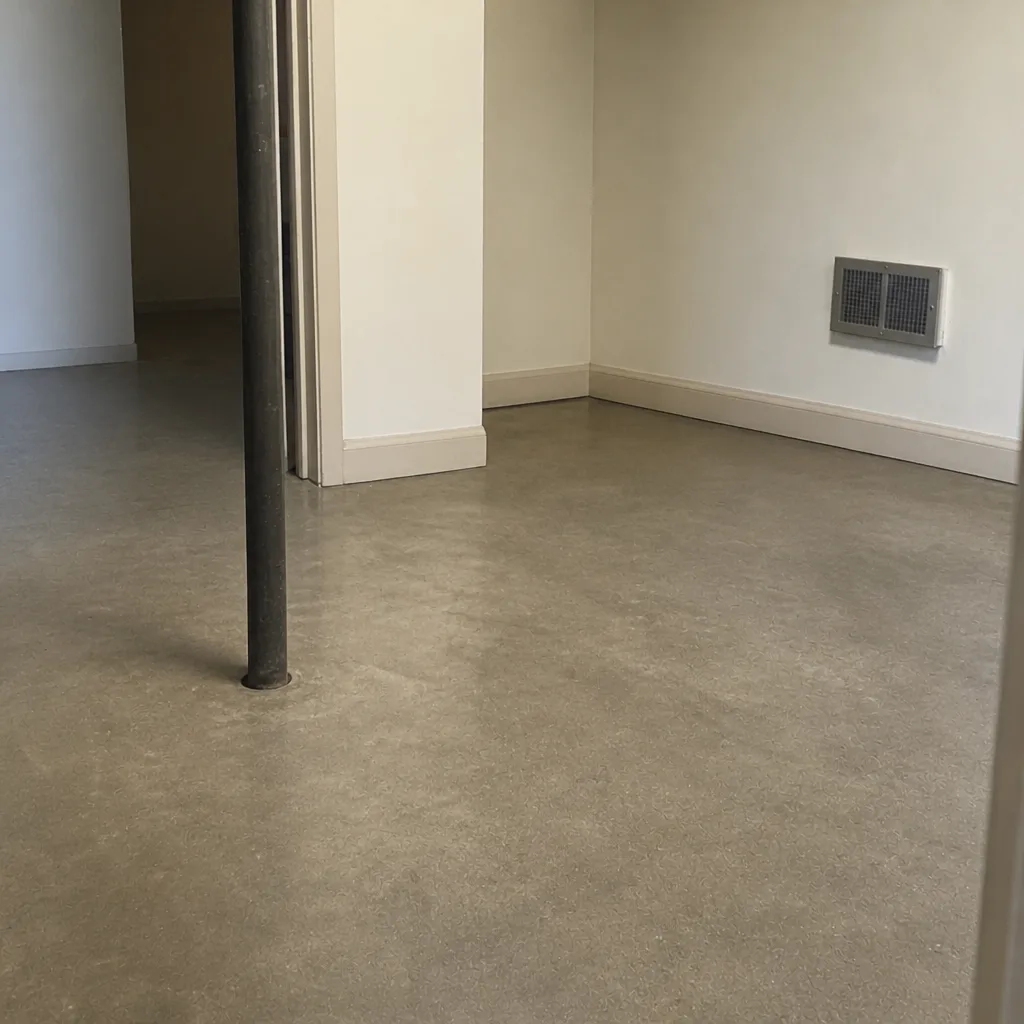
Whole-system duct and dryer vent check with before-and-after photos - you see exactly what came out of your vents
That "$99 whole-house special" is a bait ad - the real number appears once they are in your hallway, or the "clean" is a shop-vac at the register. We photograph the inside of your ducts before and after instead.
Seasonal Air Duct Cleaning Care for Pleasant Grove: Year-Round Homeowner’s Guide
Most homeowners in Pleasant Grove schedule air duct cleaning in spring, because that’s when the reminder card shows up or when the weather finally turns. That habit has it backward. The heaviest load your duct system carries builds up during winter heating season, when the system runs almost continuously and the valley traps particulate at ground level for weeks at a stretch. By the time spring arrives, you’re not getting ahead of the problem, you’re finally responding to it. This guide maps duct care to the four seasons as they actually play out in Pleasant Grove, so you know what the local environment is doing to your air system and when to act.
Quick Answer
Air duct cleaning in Pleasant Grove should follow the local contamination calendar, not a generic annual reminder: clean and inspect after winter heating season (late February through April), check filtration and duct seals before summer wildfire smoke arrives, prep coils and ducts in fall before the first heat call, and monitor filter loading through winter inversion periods. Most homes in Pleasant Grove need a full professional cleaning every two to three years, with filter changes and inspection more often.
Styles & brands we work with
- Whole-home duct cleaning
- Dryer vent cleaning
- Camera inspection
- Sanitizing & deodorizing
Table of Contents
- Why Pleasant Grove’s Four Seasons Create Four Contamination Cycles
- Winter: Inversions, Particulate Load, and What to Check
- Spring: The Highest-Priority Cleaning Window
- Summer: Wildfire Smoke and What It Leaves in Your Ducts
- Fall: Coil and Duct Prep Before the First Heat Call
- Building a Pleasant Grove Maintenance Calendar
- What a Professional Cleaning Actually Involves
- Common Mistakes to Avoid
- When to Call a Professional
Why Pleasant Grove’s Four Seasons Create Four Contamination Cycles
Pleasant Grove sits in the Utah Valley along the eastern bench of the Wasatch Front, and that geography shapes the air your HVAC system pulls in. Cold air drains into the valley in winter and settles under a temperature inversion that traps fine particulate near ground level. Spring brings wind-driven dust off the bench and surrounding open ground, along with pollen from the orchards and mature trees that line much of the city. Summer heat drives ozone and, in dry years, wildfire smoke that drifts in from surrounding regions. Fall is a transition where the system sits idle longer than at any other time of year, gathering dust that hasn’t moved anywhere.
Each of these seasons deposits something different into your ductwork. Winter loads it with combustion byproducts and fine particulate. Spring adds coarse dust and organic material. Summer introduces smoke residue, which behaves very differently from ordinary household dust. Fall doesn’t add much, but it’s when accumulated material sits undisturbed and settles into elbows, boots, and return plenums.
The result is that treating duct care as a once-a-year task means you’re always cleaning up after the worst season rather than reading the season ahead. Keep the seasons in mind and the calendar builds itself.
Winter: Inversions, Particulate Load, and What to Check
Inversion season is the defining air quality event in Pleasant Grove, and it typically runs from December into February. What makes it hard on duct systems is the combination: outdoor particulate is trapped at ground level, windows stay closed, and the furnace runs more hours per day than in any other season. Your HVAC system becomes the primary mechanism circulating air through the house, and anything sitting in the ductwork gets distributed repeatedly.
We’ve seen what weeks of inversion conditions do to filter loading. A filter that would normally last three months can clog noticeably faster when the system is pulling concentrated particulate through it. During an extended inversion, check your filter every three to four weeks rather than waiting for the calendar.
What to Check During a Winter Inversion
- Filter condition. Pull it, hold it up to light, and look for visible loading. A loaded filter restricts airflow and costs comfort as well as air quality.
- Filter fit. A filter that doesn’t seal at the edges lets particulate bypass it entirely and deposit downstream in the ductwork and on the blower.
- Return registers. Check the grilles for dark streaking or visible dust buildup, which suggests the return path is loading up.
- Supply registers. Run your hand near a register during a heat cycle. Weak airflow or a dusty smell points to restricted airflow or buildup.
- Furnace cabinet and blower area. Leave interior inspection to a technician, but note whether dust is visible around access panels.
Some Pleasant Grove households add a standalone HEPA air cleaner during inversion weeks, which helps the room but doesn’t address what’s already sitting in the ducts. If you want filtration built into the system itself, products like Honeywell and Aprilaire media cabinets are designed to be installed in the return path, and they seal better than a standard slot filter.
Spring: The Highest-Priority Cleaning Window
Spring is the single most important cleaning window in Pleasant Grove. Here’s why: winter is the season that does the most damage to the inside of the duct system, and spring is the point where that damage is still fully present but the days are getting warmer and the house is about to open up. Clean before the system switches fully into cooling mode and you remove the winter load before it goes airborne during the first warm stretch.
What accumulates over a winter of heating cycles in Pleasant Grove: fine combustion particulate from the furnace, dust from the occupied house, lint from furniture and textiles, and insect activity that tends to build up in elbows and horizontal runs. On a twenty-year-old home, add settled construction debris from the original build, and on a recently purchased home, add whatever the previous owner’s maintenance schedule (or lack of one) left behind.
The Spring Cleaning Sequence
- Change the filter first. A fresh filter means the system pulls clean air during and after cleaning rather than immediately reloading the ducts.
- Schedule the cleaning after the last sustained cold snap. In Pleasant Grove, that’s typically late February through April.
- Request a full system clean, not just the supply runs. The return ducts and plenum collect a disproportionate share of dust.
- Inspect access panels and duct connections while the system is open. Loose joints and failing tape are easiest to address at the same visit.
- Test airflow at each register after cleaning. Ask for before-and-after photos so you can verify what was extracted.
We use Rotobrush rotary brush systems for this kind of cleaning because the brush agitates the duct wall while extraction runs simultaneously. Contact-based cleaning matters more in spring, when fine particulate has had months to bind to the interior surfaces. If you want a deeper overview of our approach, our air duct cleaning service page walks through the full process.
Summer: Wildfire Smoke and What It Leaves in Your Ducts
Wildfire smoke is the wildcard in Pleasant Grove’s air quality calendar. Not every summer brings smoke, but when it does, the pattern is consistent: outdoor air gets bad for a stretch of days or weeks, windows stay shut, and the system runs cooling cycles pulling outdoor air in through the intake and recirculating interior air through the ducts. Standard filters capture some smoke particulates, but the fine fraction passes through and settles in the ductwork.
Smoke residue in ducts isn’t ordinary dust. It carries the odor compounds that make a house still smell like smoke days after the smoke clears, and those compounds re-release into the air every time the system runs. If your family has smoke allergies or asthma, that cycles through the system on every cooling cycle.
What Helps During Smoke Season
- Upgrade filtration temporarily. A higher-MERV filter or a media cabinet gets more of the smoke fraction out before it reaches the ductwork. Match the filter rating to what your blower can handle so you don’t restrict airflow.
- Run the fan continuously during active smoke. Continuous circulation through a good filter is more effective than intermittent cycling.
- Ask about activated carbon filtration. Carbon is what addresses smoke odor; standard high-MERV filters don’t. Aprilaire offers media cabinet options that accommodate this.
- Schedule a sanitizing service after a significant smoke event. A cleaning followed by a sanitizing treatment addresses both the deposited particulate and the residual odor compounds.
- Check the filter more often during smoke season. A filter that loads up in days during a smoke event needs to be changed, not pushed to the normal interval.
If you’ve been through an active smoke event and the house still carries a smoky or stale smell on cooling cycles, that’s a signal the ducts are holding what standard filtration didn’t catch. Our HVAC cleaning service addresses the coil and cabinet as well as the duct runs, which is where most smoke residue collects.
Fall: Coil and Duct Prep Before the First Heat Call
Fall is the transition season most homeowners skip, and skipping it is the reason the first heat call of the year so often comes with a stale smell or a weak airflow. Here’s what’s actually happening: the system has been running cooling cycles all summer, the cooling coil has been wet for months, and the ductwork has accumulated whatever the summer brought (dust, pollen, smoke residue). Then the system switches to heating mode, the heat exchanger comes up to temperature, and all of that accumulated material gets pushed through the house on the first heating cycle.
The fix is to prep before the switch, not clean up after it. Fall prep in Pleasant Grove means addressing the cooling coil, the ductwork, and the filter all in one pass, so the system enters winter with a clean interior and new filtration carrying the load.
Fall Prep Checklist
- Clean the evaporator coil. A wet coil collects dust and organic material over the cooling season; cleaning it now improves efficiency and removes a source of odor.
- Check the condensate pan and drain line. Standing water in the pan is a breeding ground for biological growth, and it feeds directly into the duct system.
- Inspect duct connections and seals. Loose tape and failing joints become more obvious when the system pressure changes between seasons.
- Replace the filter and check that it seats correctly. A fall filter change carries you into the winter heating season.
- Test the heating cycle before you need it. Running the furnace once in October catches problems before a cold morning makes them urgent.
Our Pleasant Grove Air Duct Cleaning Pros team handles this full sequence in a single visit. Coil cleaning, duct cleaning, seal inspection, and filter replacement are all part of the same scope, which is the advantage of dealing with a full-system indoor air contractor rather than coordinating an HVAC tech and a duct cleaner separately.
Building a Pleasant Grove Maintenance Calendar
National duct-cleaning advice is built around a generic “every two to three years” reminder with no reference to local air quality. In Pleasant Grove, you can build a better calendar by watching a few specific local signals. Here’s the structure we recommend.
The Pleasant Grove Duct Maintenance Calendar
- December through February (inversion season): Check the filter every three to four weeks. Note any visible dust streaking at registers. Book a spring cleaning for late February or March.
- March through April (post-inversion window): Full duct cleaning and inspection. Filter replacement. Address any duct seal issues found during cleaning.
- May through June (spring dust and pollen): Filter replacement. Consider upgrading to a media cabinet if you’re still using slot filters. Address pollen-sensitive family members with higher filtration.
- July through September (smoke season): Higher-MERV filtration during any active smoke event, plus carbon filtration if odor is an issue. Schedule a sanitizing service after a significant smoke stretch.
- October through November (fall prep): Coil cleaning, condensate check, duct seal inspection, filter replacement. Test the heating cycle.
How to Read Local Air Quality Signals
Instead of relying on a national reminder, watch three things specific to Pleasant Grove. First, winter inversion alerts, which you can track on local air quality reporting. Second, wildfire smoke forecasts during summer, which typically give you a few days’ notice before smoke arrives. Third, pollen counts in spring, which peak during the same window you’re already cleaning. When any of these patterns hits hard, adjust your filter schedule accordingly.
A house with pets, a family member with allergies or asthma, or a recent renovation will run tighter than the standard calendar on every season. If you’re not sure where your home falls, ask for a free estimate and a walk-through rather than guessing.
What a Professional Cleaning Actually Involves
The gap between a professional cleaning and what most homeowners can do themselves comes down to equipment. A shop vacuum can pull surface dust out of a register, but it can’t agitate the duct wall and extract simultaneously, which is what’s needed to remove bound particulate. That’s why the professional standard relies on rotary brush systems and industrial vacuums rated for duct remediation.
The Full-System Process
- Containment and negative pressure. Abatement Technologies filtration and containment equipment keeps dust from redistributing through the house during cleaning. This is the same standard applied in restoration work.
- Rotary brush agitation. A Rotobrush system drives a rotating brush through the duct path to break loose material from the walls.
- Simultaneous extraction. Nikro industrial vacuum equipment pulls extracted material out as the brush agitates, rather than letting it resettle downstream.
- Full system path, not just supply runs. Return ducts, plenum, and the air handler cabinet collect a large share of the load and are part of the same scope.
- Documentation. Before-and-after photos of your own ducts show exactly what was extracted.
- Optional upgrades. Honeywell and Aprilaire media cabinets and filtration upgrades can be installed at the same visit, which saves the second appointment.
If we find failing duct seals or damaged flex runs during cleaning, we address them as part of the same scope. A duct system that leaks at joints pulls attic or crawlspace air into the house, which defeats the point of cleaning. If your dryer vent is on the same visit’s scope, add dryer vent cleaning, which is a separate fire-safety concern rather than an air-quality one.
Common Mistakes to Avoid
- Cleaning only in spring as a habit. Spring cleaning is the highest-priority window, but fall prep is what prevents the first-heat-call problem. Skip fall and you’re distributing summer debris through a cold house on that first cold morning.
- Relying on a slot filter during inversion season. The standard 1-inch slot filter in most Pleasant Grove homes is a dust catcher, not a filtration system. During prolonged inversion periods, a media cabinet captures far more of the fine particulate.
- Changing the filter without checking the fit. A filter that doesn’t seal at the edges lets particulate bypass it entirely. You’ll see the filter loading while dust still reaches the ducts and blower.
- Skipping the return runs. Some cleaning quotes look low because they only address the supply registers. The return side is where most of the accumulation sits.
- Ignoring dryer vent as a separate system. Duct cleaning and dryer vent cleaning are often bundled in a quote in ways that suggest they’re the same job. They aren’t. Dryer vents are a fire-safety item and should be cleaned and inspected on their own schedule.
- Treating smoke odor as an air freshener problem. Smoke odor compounds that have deposited in ductwork and on coils will keep re-releasing on every cooling cycle until the interior surfaces are cleaned. A room spray doesn’t reach them.
- Trusting a quote that has no equipment or process behind it. Ask what vacuum equipment will be used, what containment is in place, and whether you’ll get before-and-after photos. A crew with a shop vac and a coupon price isn’t doing duct remediation.
When to Call a Professional
Call a professional if you can see visible dust streaking at the supply or return registers, if the house carries a stale or smoky smell on heat or cooling cycles, if you’ve had a significant renovation, or if you’ve just purchased a home whose duct history is unknown. Family members with asthma or seasonal allergies are another clear signal, especially in Pleasant Grove where inversion and smoke seasons both drive prolonged indoor particulate exposure. New HVAC installations and duct repairs merit an inspection and cleaning as part of the commissioning process, since construction debris left in the system travels into the rooms the system serves.
Pleasant Grove Air Duct Cleaning Pros offers free estimates in Pleasant Grove. Call (833) 513-8678. We answer 24/7. Fast dispatch from 7am to 7pm, Sunday through Friday. Our technicians have up to 9 years of experience, and we carry the equipment (Rotobrush, Nikro, Abatement Technologies) to do full-system work rather than surface cleaning.
See the difference
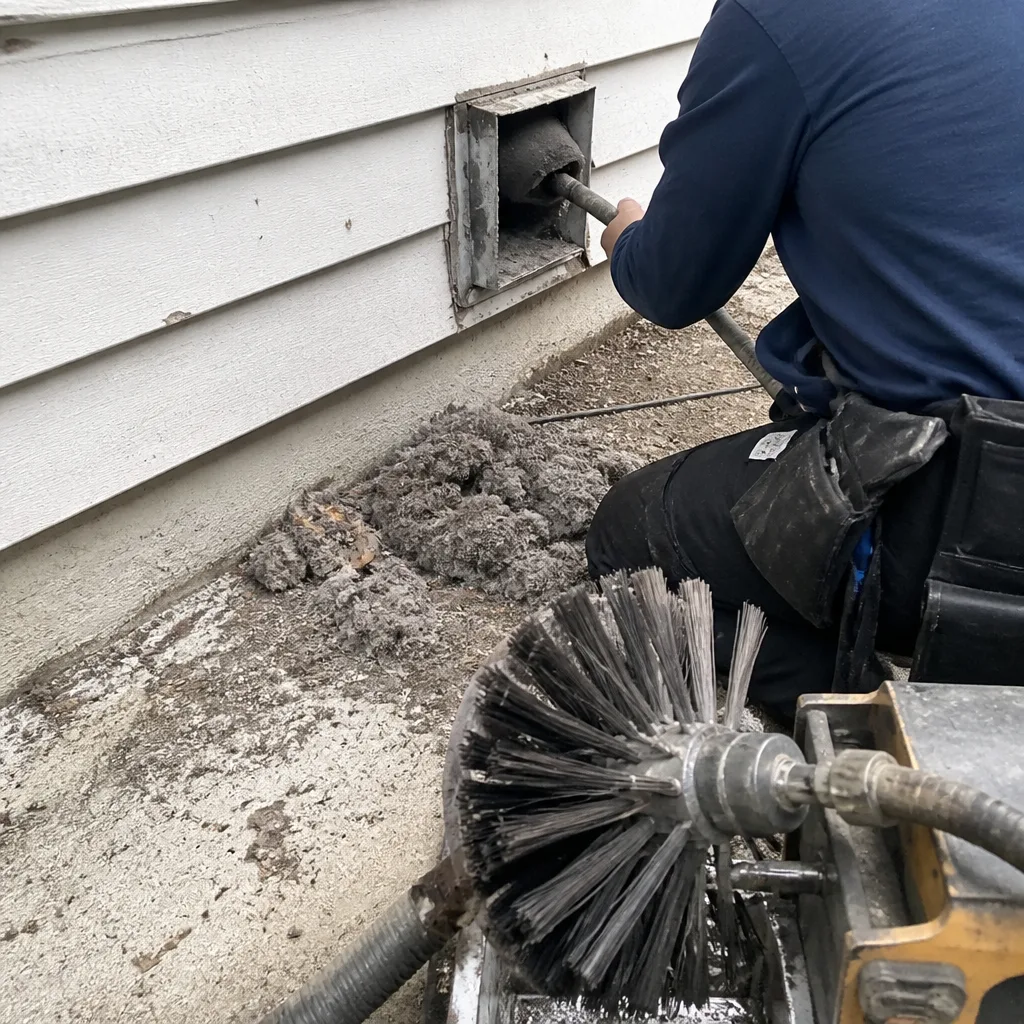 Before
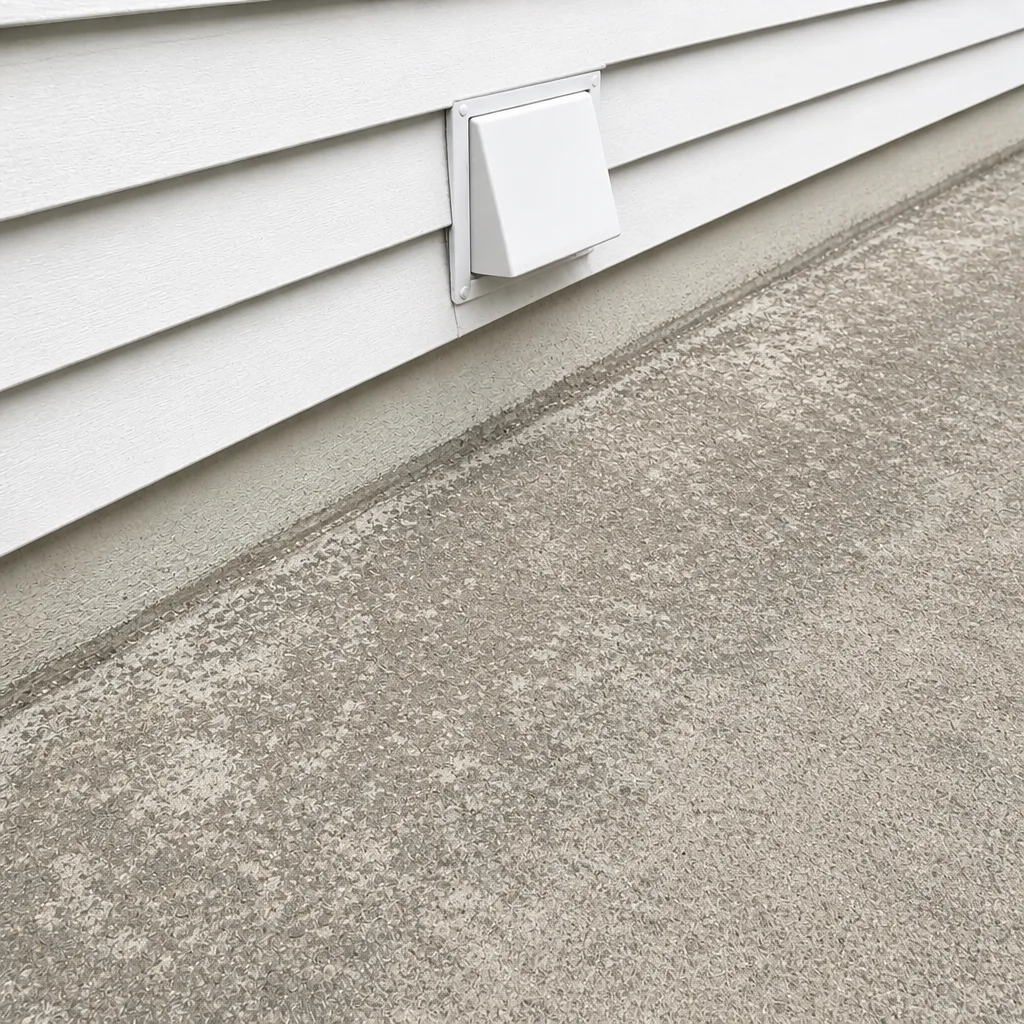 After
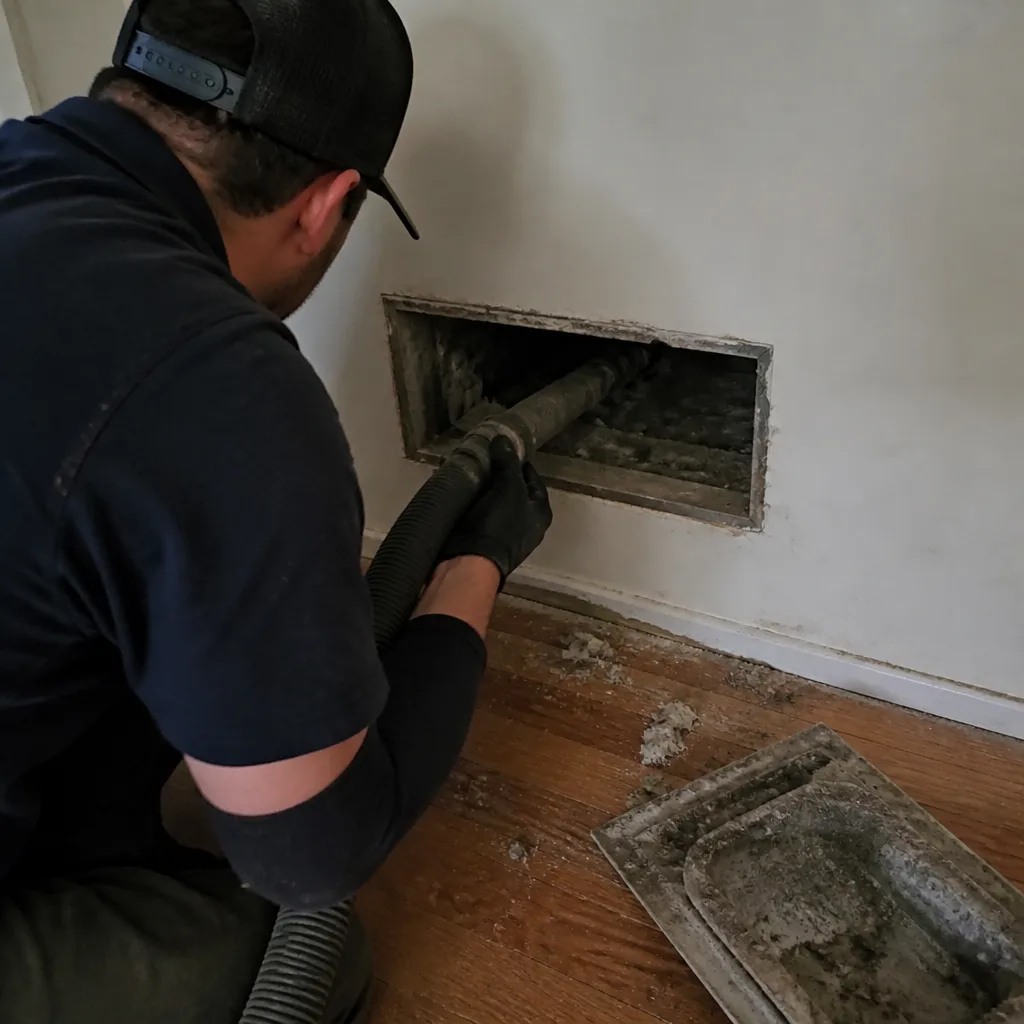 Before
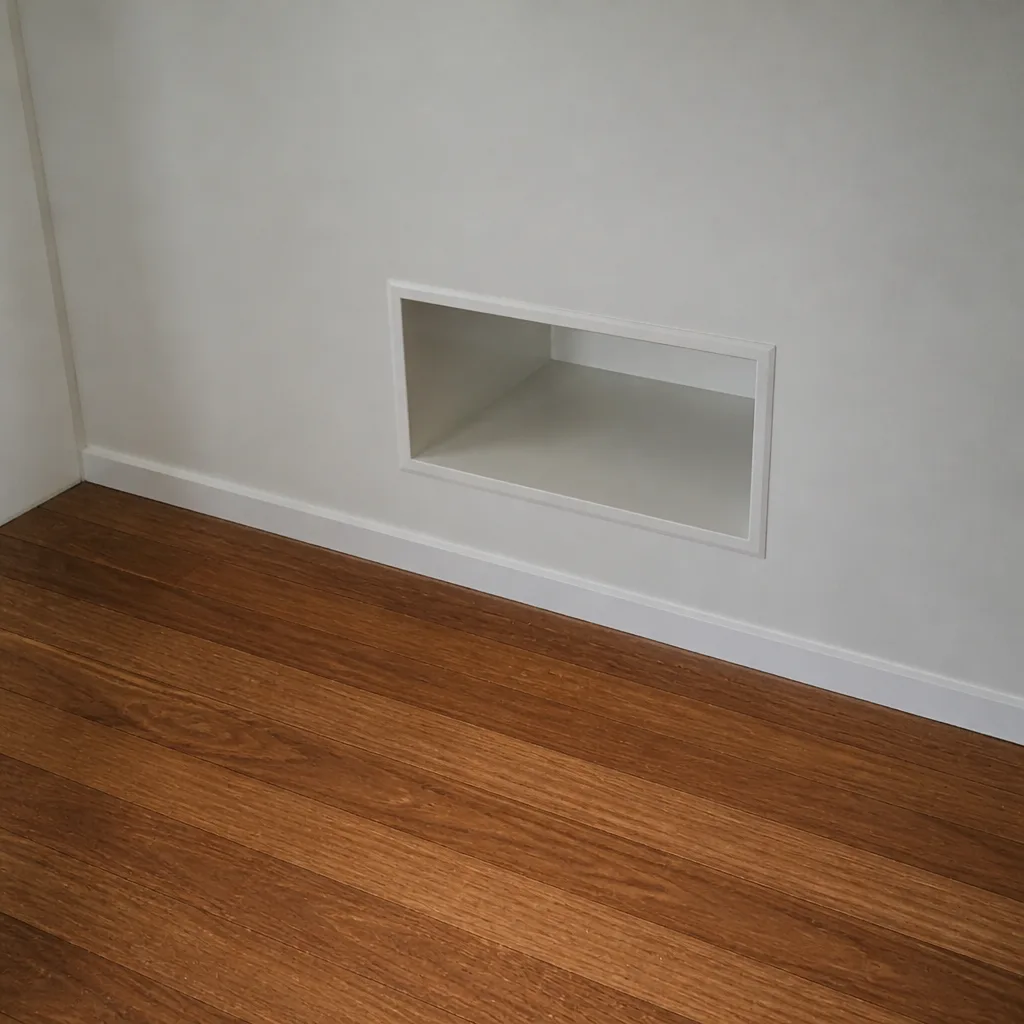 After
 Before
 After
Frequently Asked Questions
Every two to three years for most Pleasant Grove homes, with more frequent cleaning if you have pets, a family member with asthma or allergies, a recent renovation, or a home that experienced a heavy wildfire smoke summer. The winter heating season deposits the most material, which makes a late winter or early spring cleaning the highest-value appointment on the calendar.
Late winter through early spring (typically February through April) is the highest-priority window because it removes the winter heating load before the system switches to cooling. Fall is the second most important window, because it preps the coil and ducts before the first heating cycle distributes accumulated summer debris. Call (833) 513-8678 for a free estimate and we’ll help you pick the right window for your home.
Inversions trap fine particulate near ground level and keep windows closed, which forces the HVAC system to recirculate increasingly concentrated indoor air for weeks at a stretch. The result is faster filter loading and a higher accumulation of fine particulate inside the ductwork. During an extended inversion, check your filter every three to four weeks rather than waiting for the standard interval.
It deposits fine particulate and odor compounds in the duct runs and on the coil, and those compounds re-release into the air every time the system runs. Standard filtration captures some of the smoke fraction, but carbon filtration is what addresses the odor. After a significant smoke event, a cleaning plus sanitizing service is the way to remove the residue rather than scattering it through the house.
Yes, especially if the duct history is unknown. A new-to-you home carries whatever the previous owner’s maintenance schedule left behind, plus construction debris if the home was recently remodeled or built. An inspection plus cleaning establishes a clean baseline, so you know what’s entering your system from that point on. Call (833) 513-8678 for a free estimate.
No, a shop vacuum can’t do the job. Professional cleaning relies on rotary brush agitation combined with industrial vacuum extraction, so material is broken loose from the duct wall and pulled out simultaneously. A shop vacuum pulls surface dust but loses the bound particulate that’s actually accumulated over the seasons. It also has no containment, which means more of what it disturbs ends up in the rooms than in the vacuum.
Ask for before-and-after photos of your own ducts, not stock images, and ask what equipment will be used before the crew arrives. Rotobrush rotary brush systems and Nikro industrial vacuums are the professional standard; a shop-vac setup isn’t duct remediation. The before-and-after documentation is what confirms the work, and it’s a reasonable thing to ask for up front.
The Bottom Line
Pleasant Grove’s four seasons each hit the duct system differently: winter loads it with fine particulate during inversions, spring is when that load is still present and worth removing, summer introduces smoke residue and odor compounds, and fall is the prep window before the first heat call. Build a calendar around those four windows rather than a national reminder, and check filters more often during inversion and smoke events. For a full-system clean and inspection, our team uses professional-grade equipment (Rotobrush, Nikro, Abatement Technologies) and addresses duct repair and sealing as part of the same scope. Call (833) 513-8678 for a free estimate.
Written by the team at Pleasant Grove Air Duct Cleaning Pros.