
Last updated November 23, 2026
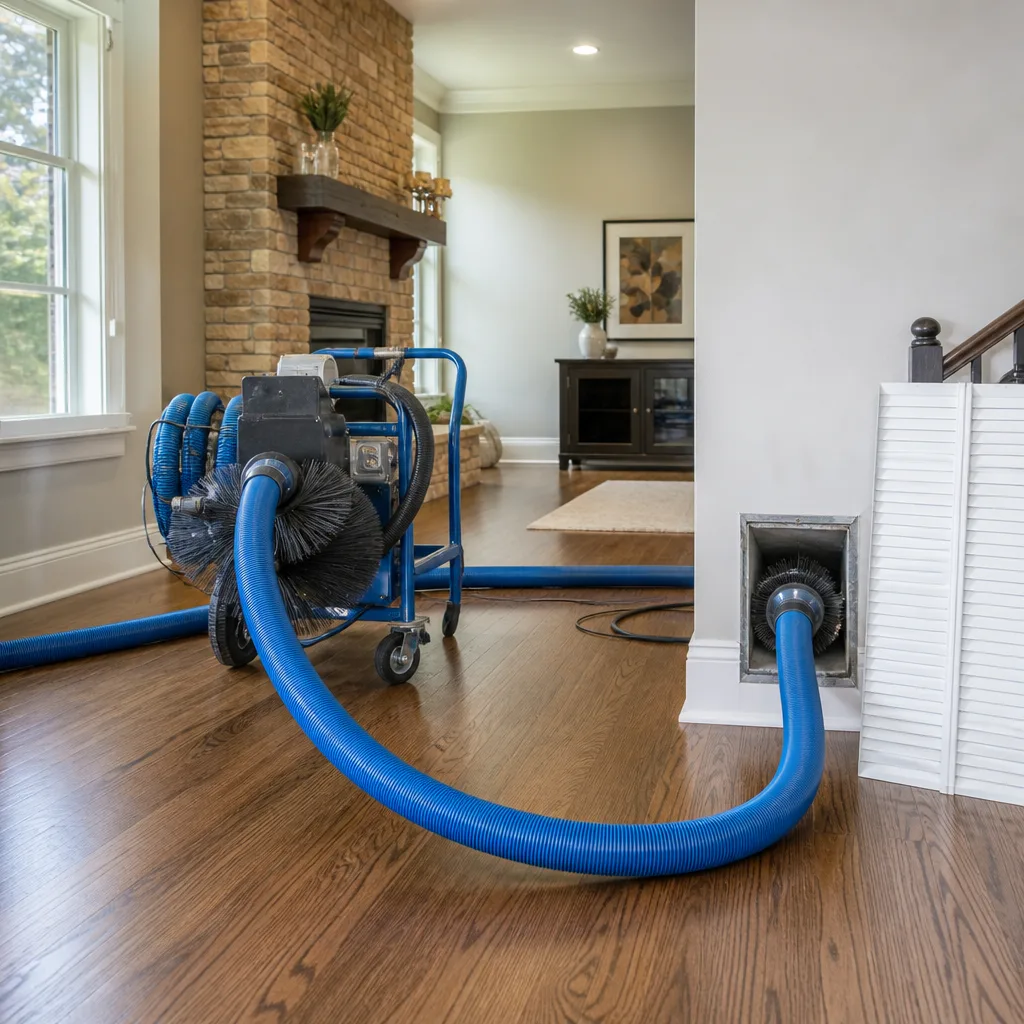 Whole-home duct cleaning
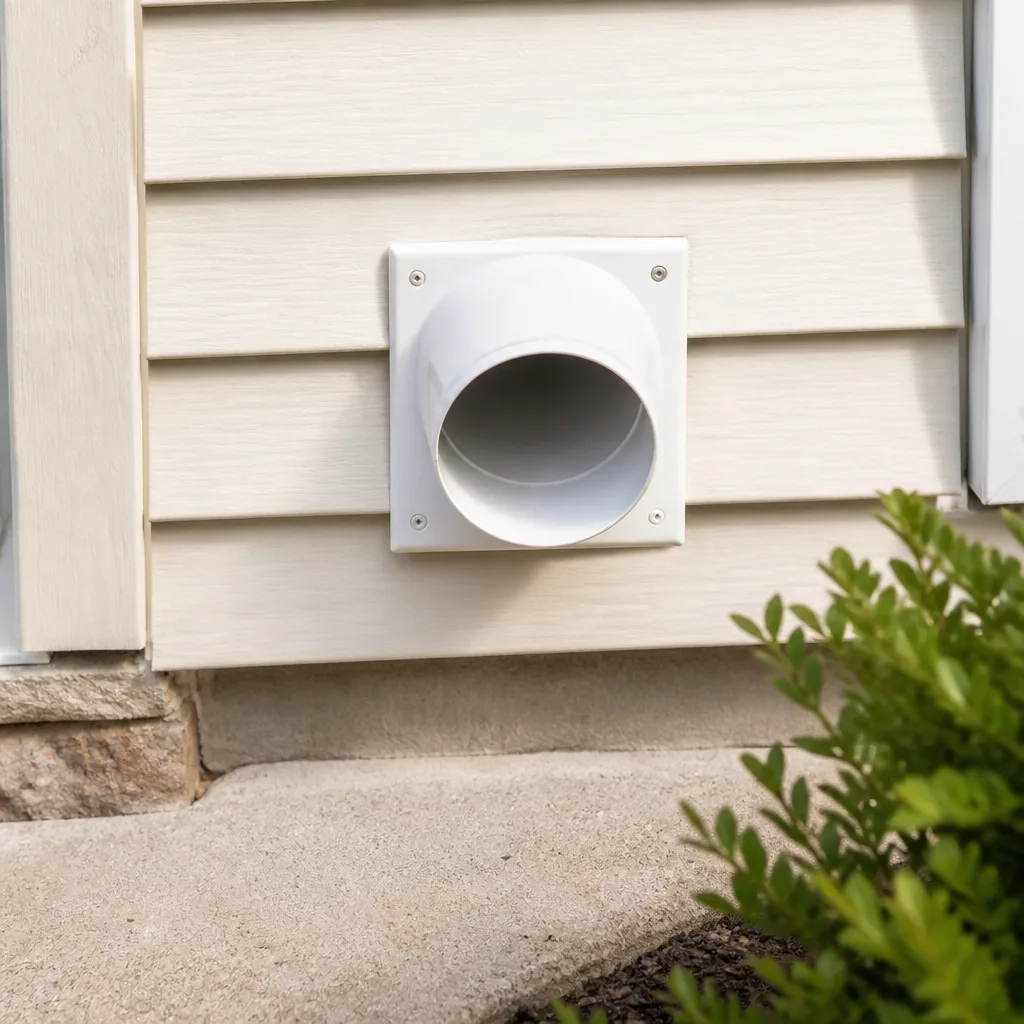 Dryer vent cleaning
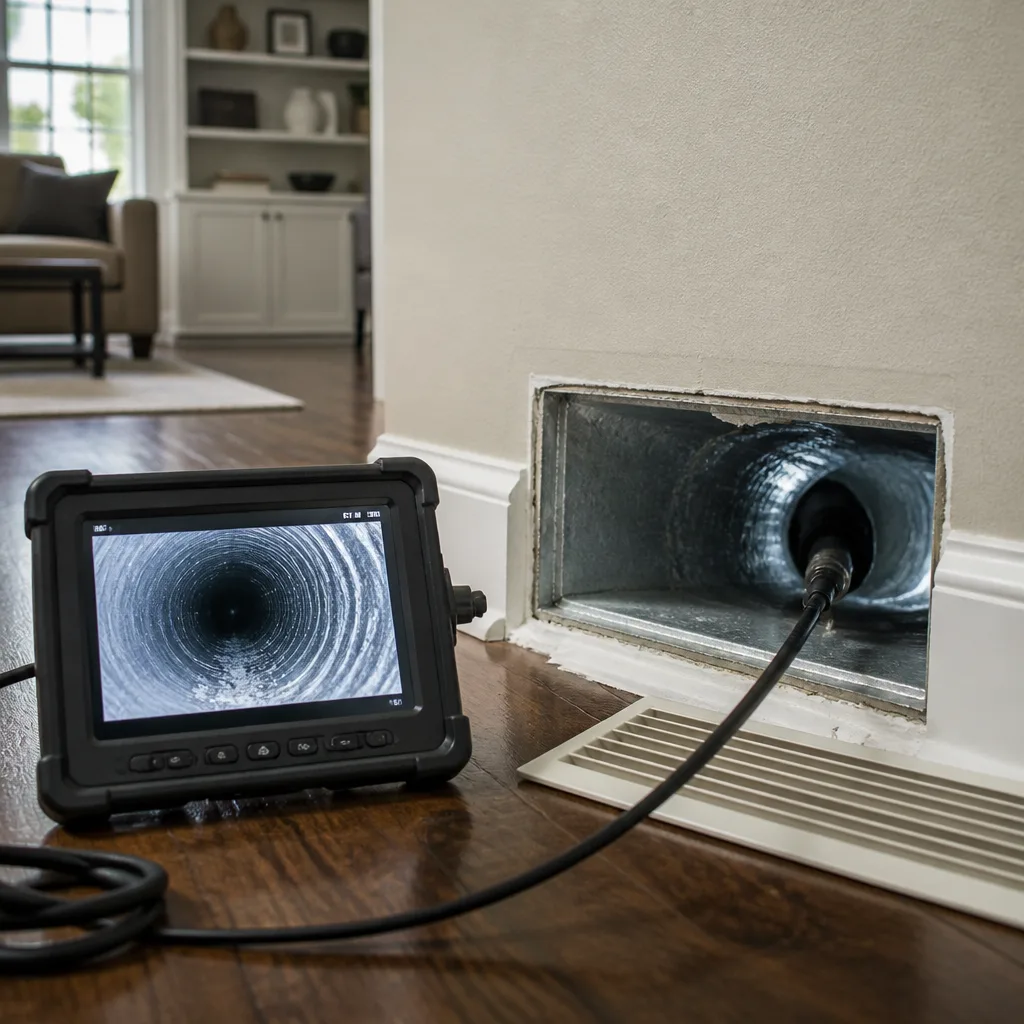 Camera inspection
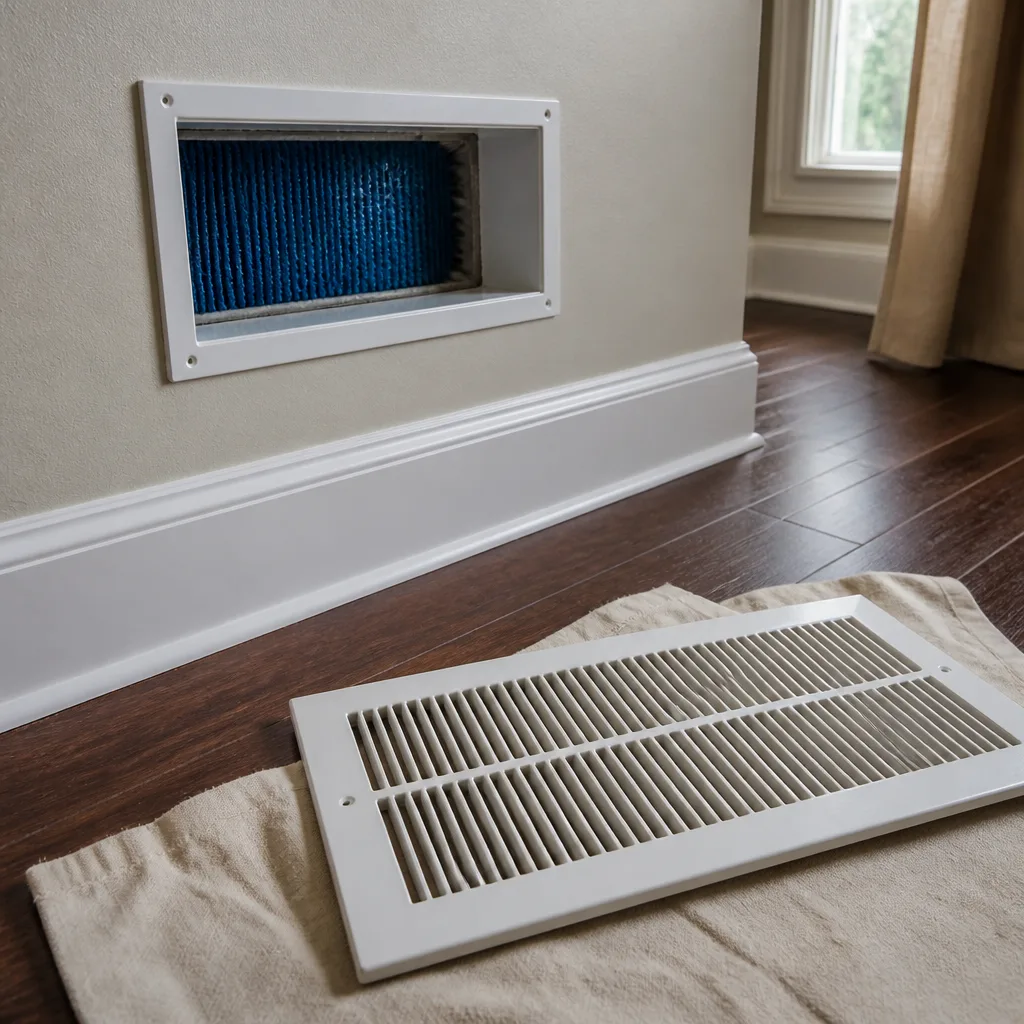 Sanitizing & deodorizing
Whole-system duct and dryer vent check with before-and-after photos - you see exactly what came out of your vents
That "$99 whole-house special" is a bait ad - the real number appears once they are in your hallway, or the "clean" is a shop-vac at the register. We photograph the inside of your ducts before and after instead.
Choosing the Right Air Duct Cleaning Brand: A Buyer’s Guide for Pleasant Grove
The duct cleaning industry has no dominant consumer brand the way HVAC equipment does. That means when a contractor says they use “professional equipment,” that phrase covers everything from a small portable unit to a large truck-mounted system, and the difference in cleaning outcome is not marginal. In Pleasant Grove, where summer dust and spring pollen push a lot of homeowners to look at their ducts for the first time, the logo on the van tells you almost nothing. What actually determines results is the machinery that goes inside your ductwork and how much air it moves. This guide translates the equipment names and specs into plain language so you can ask better questions.
Quick Answer
The right “brand” in air duct cleaning is the machinery, not the franchise name, so look for a contractor who uses contact-based rotary brush systems (like Rotobrush), a negative-pressure vacuum matched to the job, and HEPA-filtered containment for dust control. Ask which equipment they run, how they verify the work, and whether they can handle repair and sealing along with cleaning. In Pleasant Grove, the best sign of quality is a contractor who can explain their equipment and process in specifics rather than promise a price per vent over the phone.
Styles & brands we work with
- Whole-home duct cleaning
- Dryer vent cleaning
- Camera inspection
- Sanitizing & deodorizing
Table of Contents
- The Equipment Brands That Set the Industry Standard
- Truck-Mounted vs. Portable Systems: Which Fits Your Home?
- What “HEPA-Filtered Collection” Actually Means
- Video Inspection: Seeing What a Flashlight Misses
- How to Verify a Pleasant Grove Contractor’s Claims
- What a Well-Equipped Duct Cleaning Visit Looks Like
- Cleaning the System, Not Just the Surface
The Equipment Brands That Set the Industry Standard
Most homeowners have never heard of Rotobrush or Abatement Technologies, and that’s fine. But the names matter because they tell you whether a contractor invested in purpose-built duct machinery or pieced together a setup from general-purpose tools. When you’re comparing quotes in Pleasant Grove, these are the names worth recognizing.
Rotobrush is the benchmark for contact-based duct cleaning. A rotary brush whip travels through the duct and physically agitates the debris off the walls while a vacuum pulls it out at the same time. That combination of contact and extraction is what separates a real cleaning from a surface impression. A shop-vac and a hand brush can knock some dust loose, but they can’t maintain extraction along the whole run.
On the vacuum side, Nikro builds industrial-grade equipment rated for professional duct remediation. The Vacuum capacity is what keeps dust from drifting back into the living space as the brush works. Abatement Technologies equipment shows up here too, and that carrying case tells a story: this is the same class of filtration and containment gear used in mold and restoration work, where a cloud of dust during service is not acceptable. On the air quality side, Guardsman products round out the picture for homeowners who want filters and humidity control addressed on the same visit.
What to watch for when you ask about equipment:
- Ask the contractor to name the rotary brush system and the vacuum they use. A vague answer (“we have professional-grade stuff”) is a red flag.
- Ask whether the vacuum is designed for duct remediation or adapted from another trade.
- Ask whether containment and filtration are part of the setup, not an add-on.
The reason this matters more than a franchise name is that machinery is the one thing you can’t fake on the invoice. A contractor who owns and knows their Rotobrush and Nikro equipment has almost certainly been trained to run it. That’s a stronger quality signal than any logo on a van. Our own approach at Pleasant Grove Air Duct Cleaning Pros is built around naming the equipment and explaining what it does, because in this trade the machine is the brand.
Truck-Mounted vs. Portable Systems: Which Fits Your Home?
This is the question that separates contractors who understand the job from contractors who own one tool and call it a method. Truck-mounted negative-pressure systems generate a huge amount of suction through a long hose, and that airflow is well suited to larger homes with long, unobstructed duct runs. Portable systems, by contrast, can be brought into tight spaces, configured with different tools for different duct types, and combined with rotary brush equipment for contact cleaning. Neither type is universally better. What matters is whether the contractor’s setup matches your home’s layout.
In our experience around Pleasant Grove, the East side of town has plenty of homes with straightforward layouts and generous attic ducts, while some older properties near the downtown core have tighter attic clearances and shorter runs. The right approach adapts to both. A contractor who only owns a truck-mounted unit may struggle to work efficiently in tight attic or crawlspace areas. A contractor who only owns a portable unit may not generate enough negative pressure to pull debris from a long main trunk in a bigger house.
Here’s a practical way to think about it:
- Ask what kind of vacuum they’ll use on your home, and why. A strong answer ties the equipment to your layout, not a script.
- Ask how they plan to handle the tight spots. Attic turns, plenum transitions and return-air chases all need different tools.
- Ask about negative pressure at the register. A properly set up system holds the living space under slight negative pressure so debris moves toward the vacuum, not into the room.
- Ask whether they can adapt on site. A contractor who brings both contact equipment and a rated vacuum can handle what they find.
Our preference, when the layout allows it, is combining contact-based rotary brush work with a rated industrial vacuum and Abatement Technologies containment. That combination covers both ends of the problem: agitate the debris, and pull it out while keeping it away from your furniture. If your home is tight on space or has unusual duct routing, a single-tool contractor may not be the right fit. Ask the question before they arrive, and you’ll save yourself a disappointing visit.
What “HEPA-Filtered Collection” Actually Means
HEPA is a filtration classification, not a marketing word. A true HEPA filter is designed to capture particles at very high efficiency, and in a duct cleaning context that matters because the dust coming off your duct walls is exactly what allergy and asthma households don’t want drifting through the house during the job. A contractor who says “HEPA-filtered collection” should be able to tell you where the filter sits in the airflow path and how much air it can handle without choking the vacuum.
The two specs that actually matter:
- Filtration efficiency: What percentage of fine particles the filter is rated to capture. Ask for the rating, and how they maintain it through the job.
- Airflow capacity: How many cubic feet per minute the vacuum can move through a filter without losing suction. A filter that’s very efficient but undersized for the job will bog the machine down and leave debris behind.
For homes in Pleasant Grove with allergy or asthma concerns, the practical takeaway is this: the containment setup matters as much as the cleaning. If the contractor can’t tell you whether their filter is rated for fine particulate or just a coarse pre-filter, that’s a fair sign the containment is decorative. Ask about Abatement Technologies containment on-site because it’s the class of equipment that assumes the dust is a real problem, not a nuisance. Filters and purifiers from brands like Aprilaire and Honeywell can go on the same visit to help keep particulate load down afterward, but only after the ducts themselves are actually clean. Cleaning first, air quality products second.
One practical note: if the contractor can’t explain how the filter is checked and cleaned during the job, ask how often they change it between homes. That question alone tells you more about their standard of care than any brochure language.
Video Inspection: Seeing What a Flashlight Misses
A flashlight and a set of eyes at the register can only see a few feet into the duct. Video inspection equipment sends a small camera down the run and gives the contractor and homeowner a look at what’s actually happening inside: buildup, damaged insulation, disconnected sections, loose joints and debris pockets around turns. Not every duct cleaning needs video, but for a first-time cleaning in an older Pleasant Grove home, or if you’ve had a recent renovation, it’s worth asking for it.
When video inspection earns its place in a quote:
- Before the cleaning on a home you’ve never had cleaned. It establishes the baseline and shows whether the “worst” ducts are actually the worst.
- After the cleaning. It verifies the work is done. If a contractor won’t show you the inside of your ducts afterward, ask why.
- Whenever you suspect damage. Dents, gaps and loose joints usually show up on camera before they show up as comfort problems.
The technology also supports the repair side of the job. It’s common to find a disconnected flex run behind a register, or a joint that’s been leaking conditioned air into the attic for a while. Those problems don’t fix themselves, and they don’t show up with a flashlight. Once you can see the leak, repair and sealing become an obvious next step rather than a pitch. Ask whether the contractor carries inspection equipment and whether they’ll show you the footage. If the answer is no, treat the quote as an estimate of the surface rather than the system. Our team treats video as a tool for honesty, not sales.
How to Verify a Pleasant Grove Contractor’s Claims
Equipment claims are only half the picture. A practical due-diligence sequence for any Pleasant Grove contractor goes beyond the website and checks the areas that are harder to fake. Work through this list before you book:
- Check NADCA membership. The National Air Duct Cleaners Association sets the standard that most professional contractors work to. A current membership is a useful starting point, not a guarantee.
- Look at Better Business Bureau standing. Recent complaint patterns are more informative than a single review, and a business that responds to complaints publicly is telling you how they handle problems.
- Read the local reviews, not just the average. Pleasant Grove is a specific market. Reviews that mention the contractor’s process, cleanup and equipment are more useful than ones that just say “great job.”
- Ask for a written scope. The quote should name the equipment, the containment and the parts of the system being cleaned. A single line item on an invoice isn’t a scope.
- Check insurance and licensing the way your state requires. A vetted local pro carries the coverage their state requires. Ask for proof in writing before work begins.
- Ask what happens after the visit. A contractor who can repair and seal what they find is a better long-term choice than one who only cleans.
We’ve seen homeowners in Pleasant Grove book a cheap coupon visit and then spend an hour trying to figure out whether anything was actually cleaned. The verification steps above take about twenty minutes and short-circuit that problem. If a contractor can’t tell you their equipment, their scope, and their process in plain language, that’s a signal. So is a price that comes as a single per-vent number with no written estimate. What you’re really buying in Pleasant Grove is a documented process and a written scope, and that’s the standard we set for every job.
What a Well-Equipped Duct Cleaning Visit Looks Like
If you want to know whether you hired the right contractor before they’ve cleared the driveway, watch how the visit is set up. A well-run job for a Pleasant Grove home follows a recognizable sequence, and it starts with containment, not with a tool going in a register. The way the visit opens tells you a lot about how it will close.
A typical sequence:
- Walkthrough and access. The contractor identifies the HVAC unit, main trunks, branch runs and every register and return. Ask any equipment questions now, before work begins.
- Containment and negative pressure. Drop cloths go down, and the collection system is connected at the plenum or main trunk. The house should be under light negative pressure so dust moves toward the vacuum, not the living room.
- Rotary brush work on every branch. Each run gets agitated with the rotary brush and extracted at the same time. Listen for the change in pitch as the brush travels, and ask what they find on the tight turns.
- Return and plenum cleaning. The return side and the furnace plenum usually hold the most buildup and often get skipped by shortcut operations. Confirm they’re in scope.
- HVAC component cleaning. The evaporator coil and blower area should be cleaned and inspected. Our HVAC cleaning service covers this step when it needs more than a quick pass.
- Verification. Ask for before-and-after photos of the ducts. A properly equipped contractor can show you what was inside the run at the start and at the end.
- Cleanup and walkthrough. Every register gets reseated, and the contractor walks you through what they found, what they cleaned, and any issues they recommend addressing next.
We connect Pleasant Grove homeowners with local pros who can run this sequence in a single visit, because splitting the work across separate contractors is where jobs go wrong. If your dryer vent hasn’t been touched in a while, ask whether dryer vent cleaning can go on the same visit. It’s a different fire-safety job, and it’s worth doing while the equipment is out. A well-equipped contractor can handle the duct system, the HVAC components and the dryer vent in one scheduled block.
Cleaning the System, Not Just the Surface
Most duct cleaning guides stop at cleaning. That’s a mistake. The buildup you’re cleaning off came from somewhere, and in a lot of Pleasant Grove homes it came from a leak in the system. A disconnected flex run or a joint that’s been weeping conditioned air into the attic pulls in dust, insulation fiber and pest activity. Clean the ducts without sealing that leak, and you’re doing the same job again in a year.
This is why we treat duct repair and sealing as part of the same visit, not an upsell. Once the video inspection shows the leak, the choice is whether to fix it now or watch the problem start over. Repair and sealing closes the gap, restores the airflow the system was designed for, and gives the cleaning a chance to actually last. In a dry, dusty valley like the one Pleasant Grove sits in, that matters more than it would in a damp climate. The system is under constant pressure from outside, and a leak in the return or supply side is always pulling air from the attic or the wall cavity.
What to ask about repair and sealing:
- Which materials are used for sealing, and how they’re rated.
- Whether the repair will be documented with photos.
- Whether the contractor offers sealing as a standalone service or only alongside cleaning.
If your ducts are already clean but you’ve been chasing comfort problems or higher utility bills, the same equipment that cleans is the equipment that inspects and repairs. One visit can cover the whole system, which is the model we work with at air duct cleaning. Ask the contractor how they handle repair before you book, and you’ll know whether your ducts will still be clean in a year or whether you’ll be calling someone else.
Common Mistakes to Avoid
- Booking on a per-vent price. A quoted number per register tells you nothing about scope, containment or equipment. Ask for a written estimate per system instead.
- Skipping the return side. Return ducts often hold the most buildup, so confirm they’re in the scope. A job that cleans only supply runs leaves the worst of the debris behind.
- Not asking about equipment names. If the contractor can’t name the brush system and the vacuum, you can’t verify the process. A vague “we use the best stuff” answer is a fair reason to keep looking.
- Ignoring a dryer vent on the same visit. Dryer vents are a leading cause of residential fires and deserve a separate line item. In Pleasant Grove, where a lot of homes have longer vent runs to an exterior wall, they clog faster than most people expect.
- Trusting a flashy website over local reviews. Look for reviews that mention Pleasant Grove neighborhoods and the specific work performed. Local detail is what separates a real business from a regional lead-generation site.
- Assuming the ducts only need cleaning once. Depending on pets, renovations, allergies and how much time you spend inside, the interval varies. Ask for a recommendation, not a fixed calendar.
- Forgetting to ask for before-and-after photos. The photos are your evidence that the work happened. Request them before you pay, every time.
See the difference
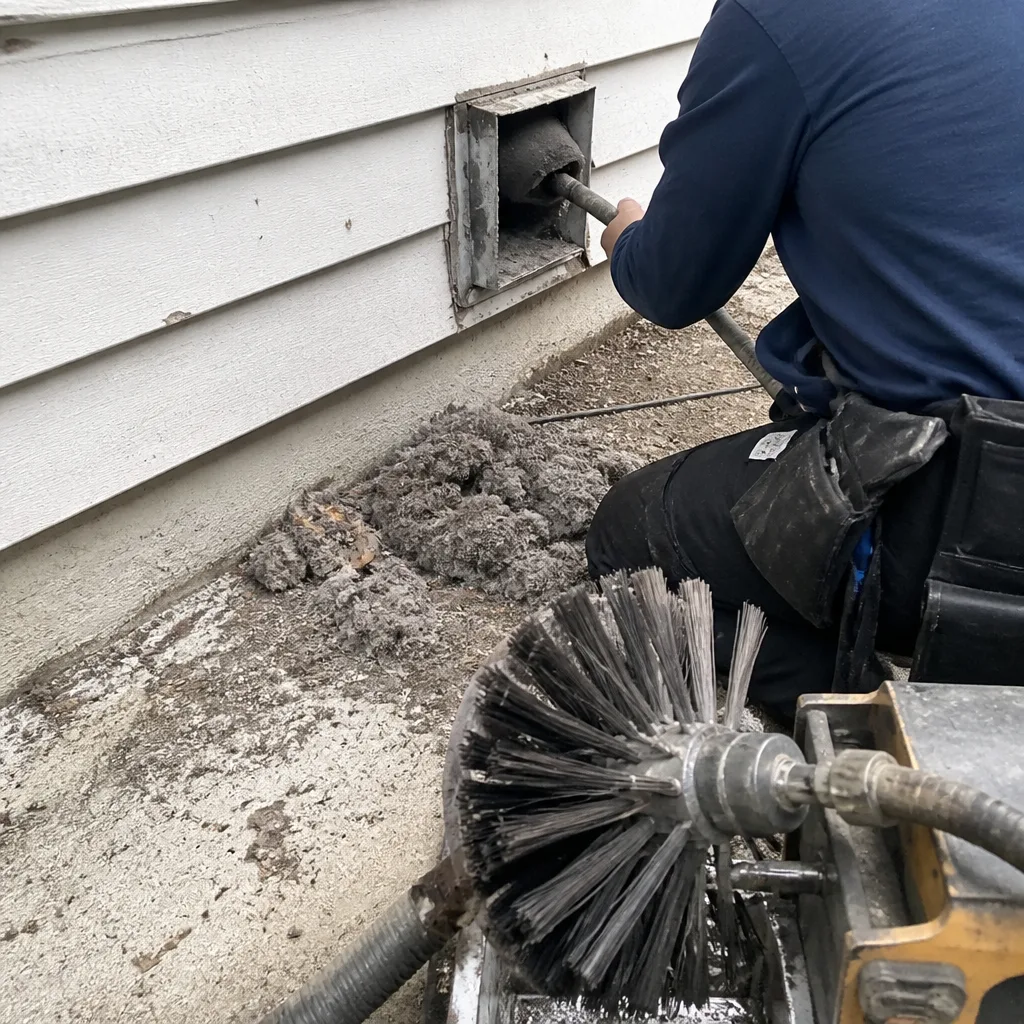 Before
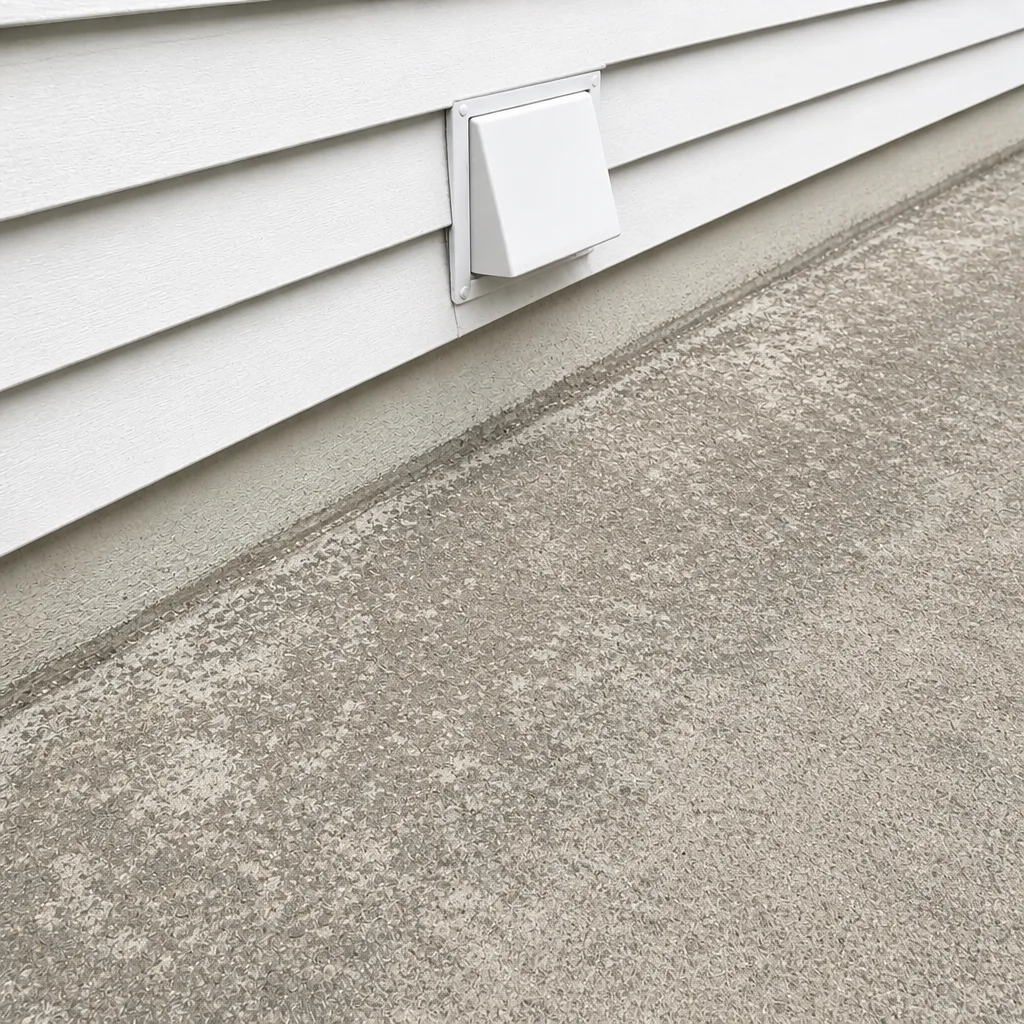 After
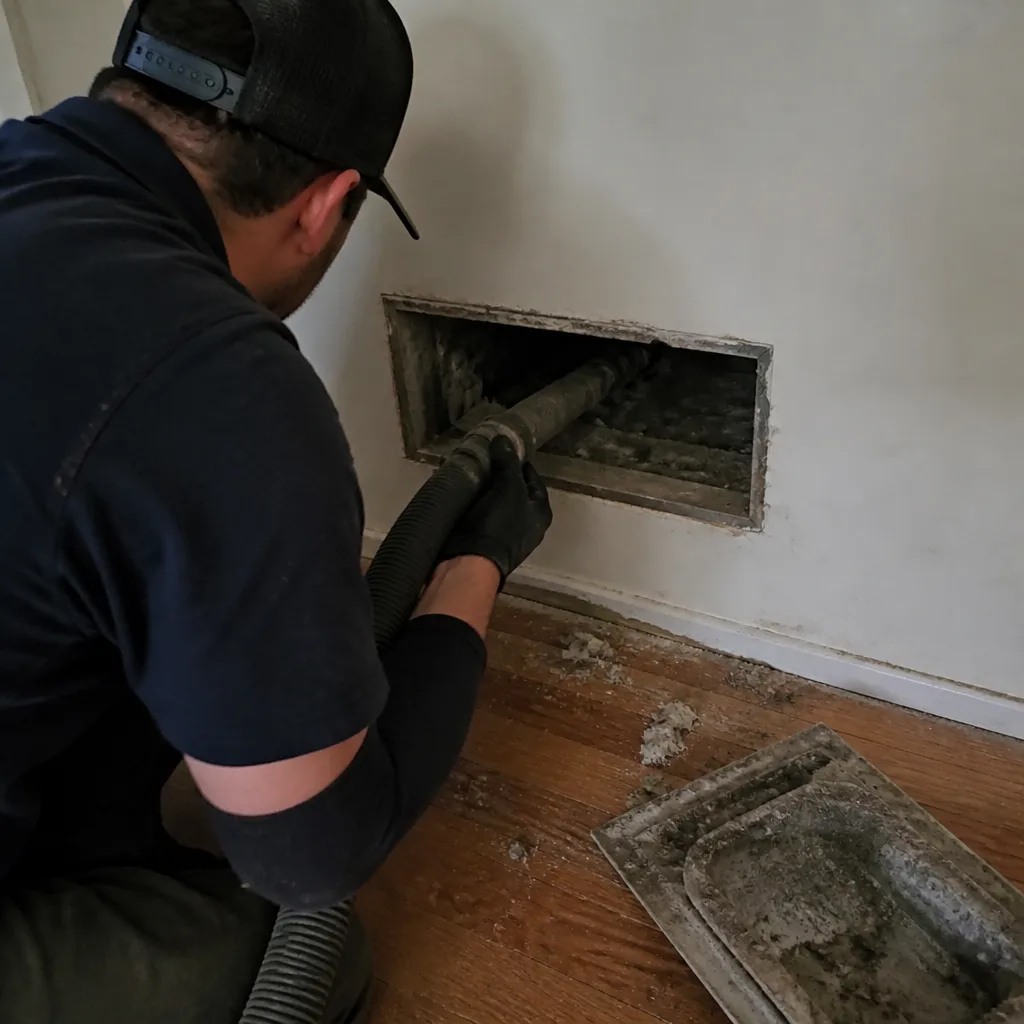 Before
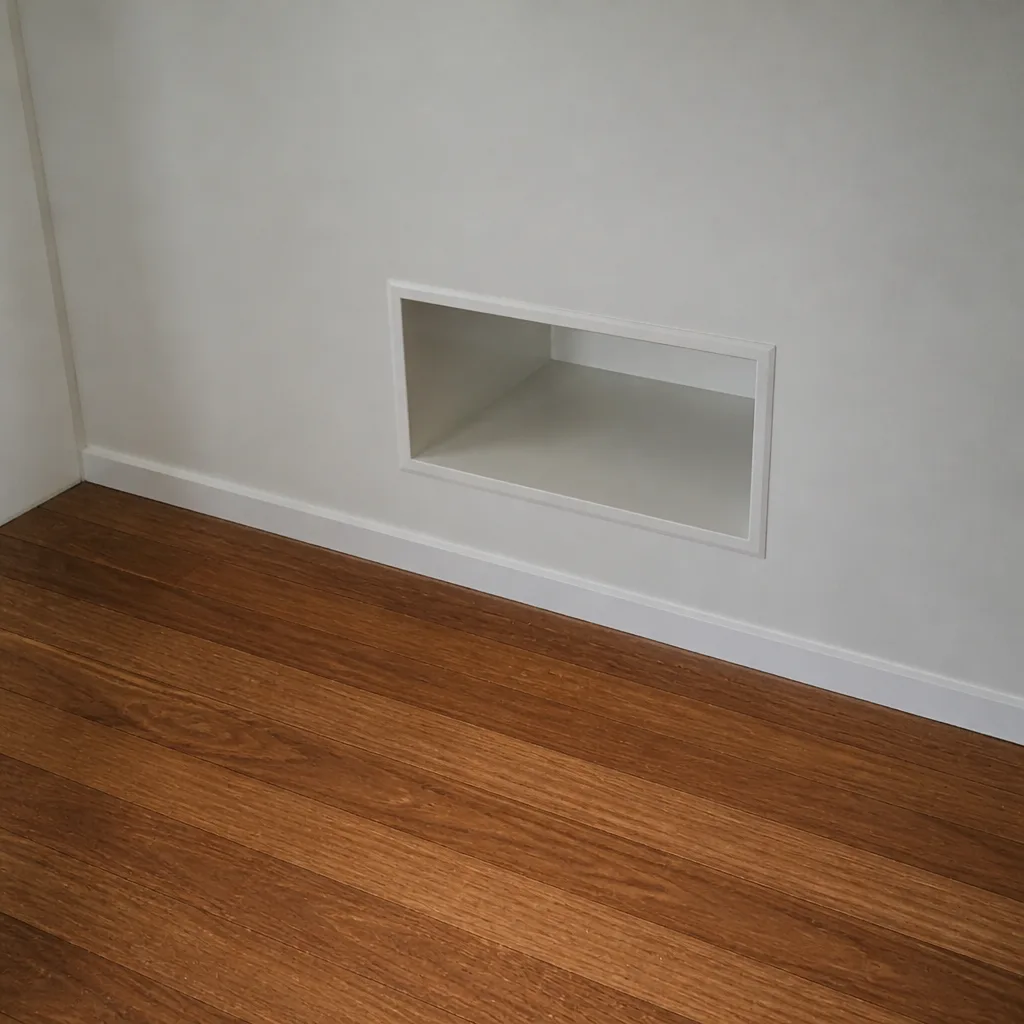 After
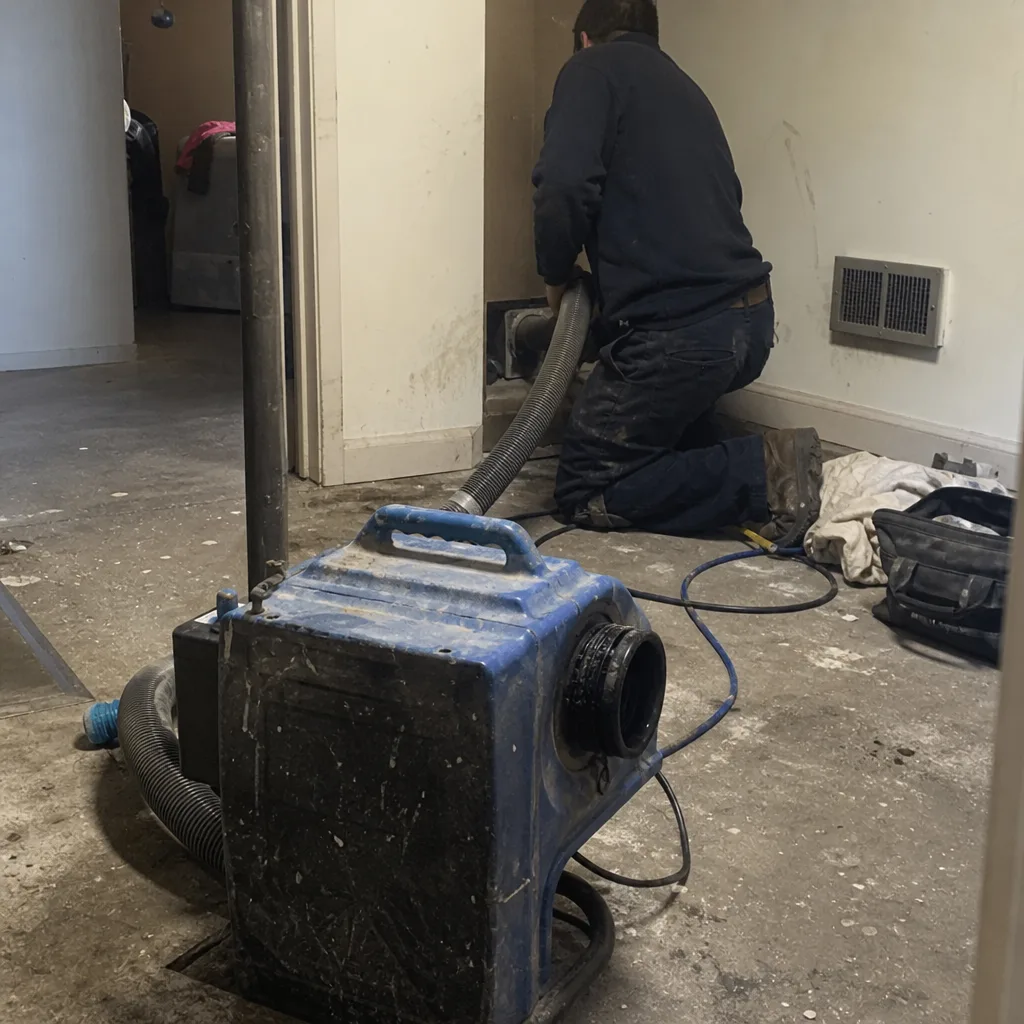 Before
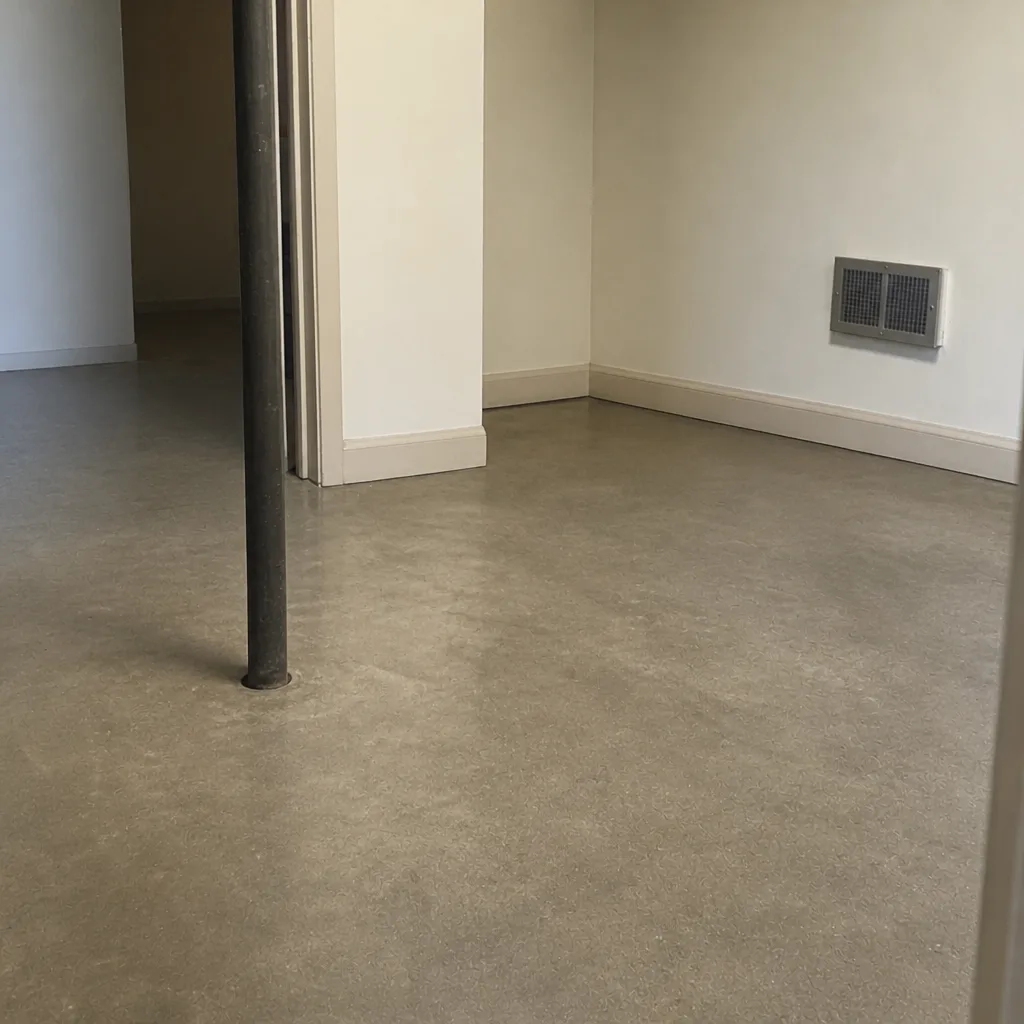 After
When to Call a Professional
Some situations are clearly a duct cleaning job and some aren’t, and the difference is usually about what’s happening in the house. Call a professional when you’ve got a recent renovation and drywall dust has been pulled through the returns, when someone in the household has allergies or asthma that get worse indoors, when a move-in date follows a home you don’t know the history of, or when you’re seeing visible dust at the registers every few weeks. Same goes for a dryer that’s taking longer to dry a load, a musty smell that returns after cleaning, or a system that’s been running with a loose flex connection for a while. If you’re not sure which situation yours falls into, a video inspection during the estimate usually settles it.
Pleasant Grove Air Duct Cleaning Pros offers free estimates in Pleasant Grove, so you can call (833) 513-8678 and get a written scope before you commit to anything. Call (833) 513-8678. We answer 24/7. Fast dispatch from 7am to 7pm, Sunday through Friday. The vetted local pro who handles the work is licensed and insured as their state requires, and the price is set per system by the written estimate, so there are no surprises once the crew is in the driveway.
Frequently Asked Questions
Cost is quoted per system by a written estimate, and you should insist on that instead of a per-vent price. A full-system quote from a properly equipped contractor reflects the size of the home, the number of runs, whether the return side is included, and whether repair or sealing is needed. Nothing about a coupon or a per-vent quote tells you whether the return side, the plenum or the HVAC components are in scope. Get the written estimate, confirm the equipment and containment being used, and ask what’s excluded. Call (833) 513-8678 for an exact quote, and the team will talk through the scope line by line. That’s the only way to compare two quotes honestly in Pleasant Grove.
Cheaper quotes usually reflect less equipment and less scope, not a better deal. A contractor who shows up with a shop-vac and a hand brush can quote a number well below a contractor running a Rotobrush and a rated industrial vacuum, because the cost of the equipment and the time per run are completely different. Add the return side, the plenum, the evaporator coil and the dryer vent to a scope, and the gap between the two quotes usually closes. The other reason is per-vent pricing, which tends to grow on-site as the technician discovers “extras.” Ask for a per-system written estimate with the equipment named. Call (833) 513-8678 and you’ll get a scope you can compare against anyone else in Pleasant Grove.
Ask for before-and-after photos of the ducts, and ask to see video inspection if the contractor carries a camera. A properly equipped contractor can show you what the run looked like at the start and at the end, including the returns and the plenum. The other signal is the walkthrough: after the visit, the contractor should tell you what was found, what was cleaned, and whether repair or sealing is recommended and why. A vague “all good” doesn’t count as a walkthrough. Call (833) 513-8678 for an exact quote and ask what documentation is included. The answer you get before the appointment tells you almost as much as the photos do.
There’s no fixed rule, and anyone quoting a set number of months is guessing. Homes with pets, recent renovations, allergies or asthma, or a smoke or wildfire exposure event usually need attention more often than homes that don’t see any of those. A first cleaning on a home you don’t know the history of is worth doing once, then set the interval based on what the ducts look like afterward. If the contractor offers a maintenance recommendation, ask whether it’s based on what they saw in your system or a generic guideline. Call (833) 513-8678 for an exact quote and a scope that fits your home in Pleasant Grove rather than a generic schedule.
It depends on your layout, and a good contractor will say the same. Truck-mounted negative-pressure systems generate a large amount of suction and suit larger homes with long, clean duct runs, while portable systems work well in tighter attics and crawlspaces and pair naturally with contact-based rotary brush tools. Many homes are best served by a combination. What you should not accept is a contractor who only owns one type and insists it’s the only answer. Ask which equipment they’ll use on your home and why. Call (833) 513-8678 for an exact quote and ask the question directly.
Yes, provided the filter is real, properly sized and maintained during the job. A true HEPA classification means particles at the finest end are captured, and that keeps the dust coming off your duct walls from drifting into the living space during the cleaning. For homes with allergy or asthma concerns, the containment and filtration setup matters as much as the cleaning itself. Ask for the filtration rating and the vacuum’s airflow capacity. If a contractor can’t tell you either, treat the claim as a marketing word. Call (833) 513-8678 for an exact quote and ask which containment equipment is used on-site.
The Bottom Line
In Pleasant Grove, the right duct cleaning brand is determined by the equipment and the process, not by the logo on the van. Look for a contractor who can name the rotary brush system and the vacuum, who carries HEPA-filtered containment along with the cleaning tools, and who can repair and seal what the video inspection reveals. Insist on a written estimate per system, before-and-after photos, and a walkthrough at the end of the visit. The vetted local pros handle the work and carry licensure and insurance as their state requires. If a contractor can’t explain their setup in plain language, that’s your answer. Call (833) 513-8678 for a free estimate and a scope you can verify.
Written by the team at Pleasant Grove Air Duct Cleaning Pros.