
Last updated November 23, 2026
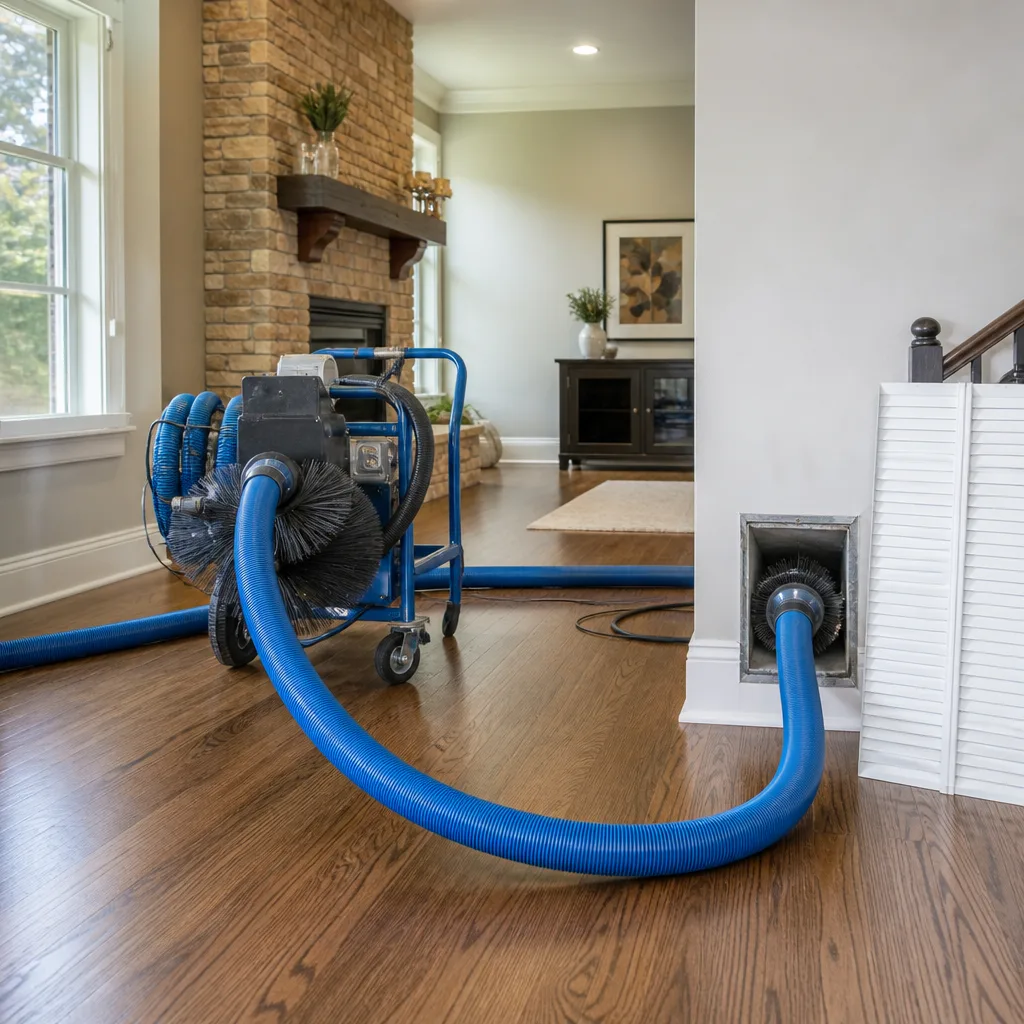 Whole-home duct cleaning
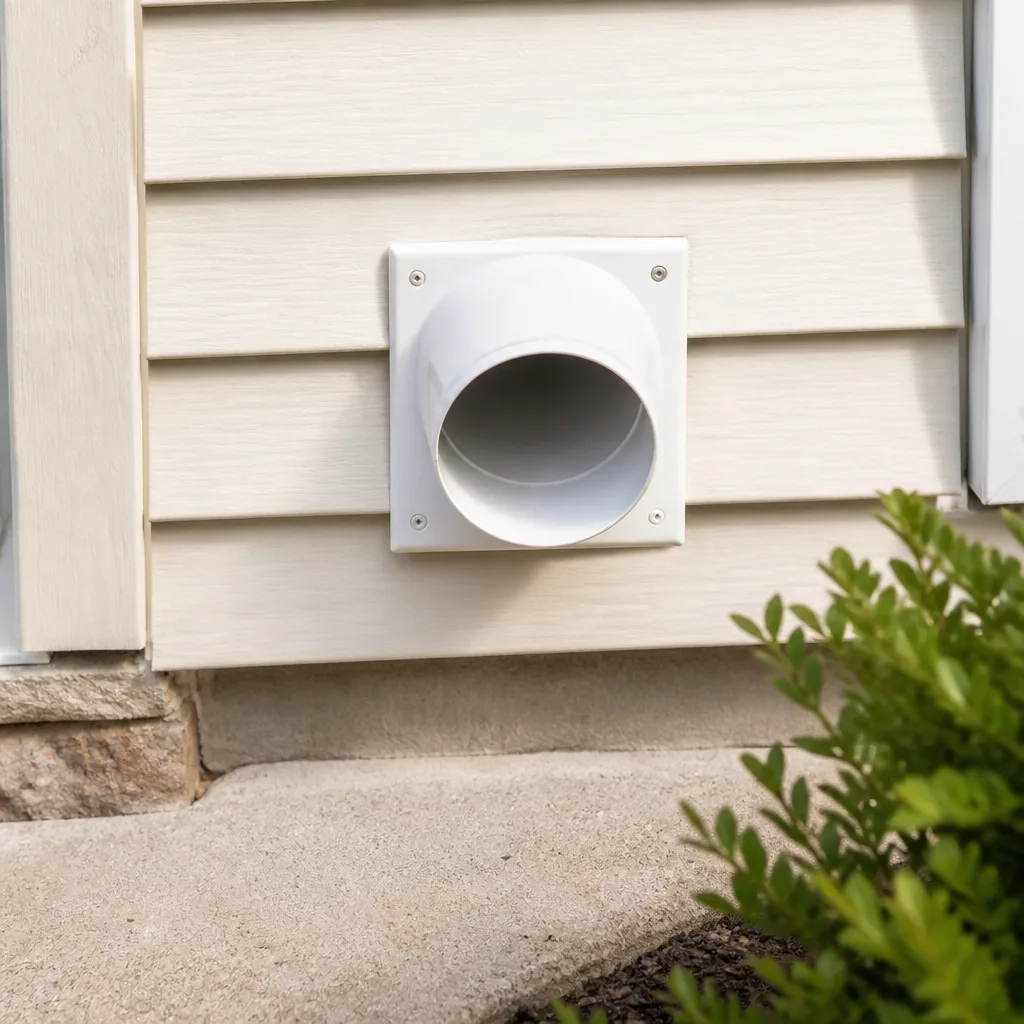 Dryer vent cleaning
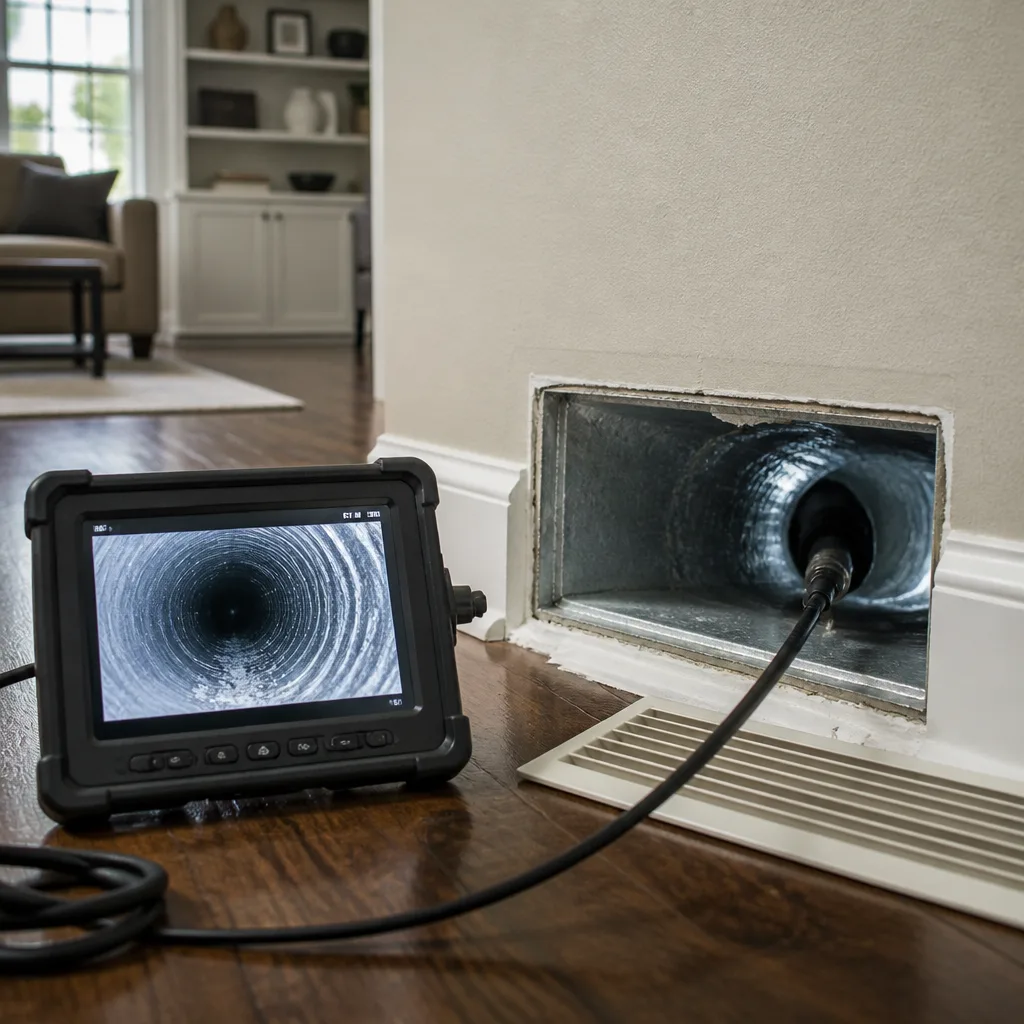 Camera inspection
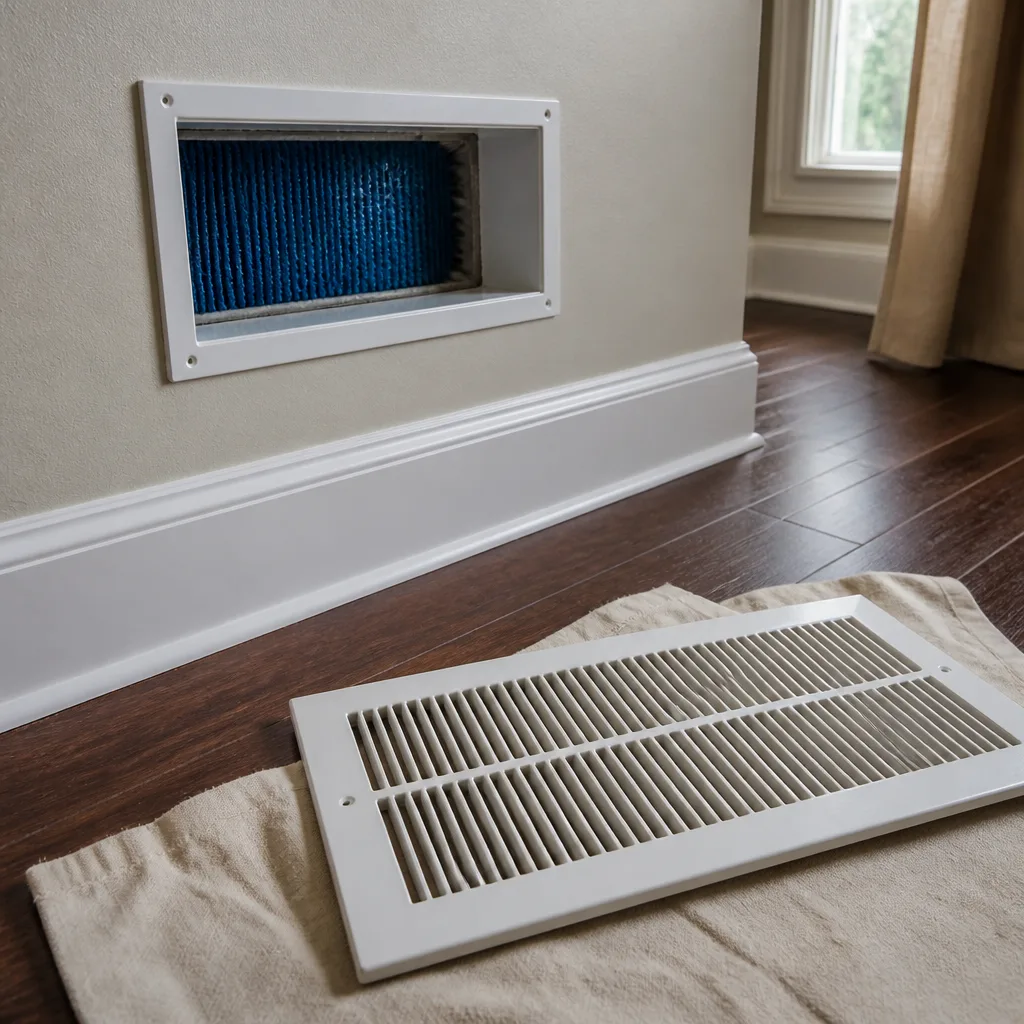 Sanitizing & deodorizing
Whole-system duct and dryer vent check with before-and-after photos - you see exactly what came out of your vents
That "$99 whole-house special" is a bait ad - the real number appears once they are in your hallway, or the "clean" is a shop-vac at the register. We photograph the inside of your ducts before and after instead.
Air Duct Cleaning Permits, Codes & Inspections in Pleasant Grove, UT: What You Need to Know
Most people assume air duct cleaning is maintenance and nothing more, so the question of permits never comes up. That’s true for a straightforward cleaning of an existing system. But the moment the work involves cutting into ductwork, installing a new access panel, applying an aerosol sealant product, or addressing mold growth inside the air pathway, the regulatory picture in Pleasant Grove changes. Utah’s adopted mechanical code, the state’s air quality rules, and federal lead-safe requirements can all reach into a job that started as a cleaning. This guide draws that line precisely: what needs a permit, what doesn’t, which license applies, and what to get in writing before anyone touches your ducts.
Quick Answer
Routine air duct cleaning in Pleasant Grove does not require a building permit. Work that alters the duct system itself does: new duct runs, added access panels that change the structure of the ductwork, aerosol-applied duct sealant, and mold remediation in the air pathway can fall under Utah’s adopted mechanical code, which means a permit and a licensed mechanical contractor may be required. Cleaning a system and modifying a system are two different categories, and knowing which one your job belongs to protects your resale and your insurance.
Styles & brands we work with
- Whole-home duct cleaning
- Dryer vent cleaning
- Camera inspection
- Sanitizing & deodorizing
Table of Contents
- What Counts as Mechanical Work in Pleasant Grove?
- When Utah’s Mechanical Code Applies to Duct Sealing and Repair
- Older Homes and Lead: How Federal Lead-Safe Rules Reach Duct Work
- Mold in Ductwork: Cleaning Versus Remediation
- Air Quality Rules and Duct Work in Utah County
- How to Protect Yourself Before Work Begins
- What a Permit-Compliant Job Looks Like at Completion
- Common Mistakes to Avoid
What Counts as Mechanical Work in Pleasant Grove?
Pleasant Grove City’s building department, like every Utah municipality, enforces the mechanical code the state has adopted. In practice that means a permit is triggered by a change to the system, not by cleaning it. A technician running a rotary brush through your existing ducts is performing maintenance. A contractor cutting a new hole in a trunk line, adding a duct run, or installing a component that becomes part of the air distribution system is performing mechanical work.
The line matters because it’s easy to cross without noticing. An access panel is the clearest example. If a cleaning technician cuts an opening in a hard duct for equipment access and closes it afterward with a standard gasketed cover, that’s part of the cleaning. If a contractor installs a permanent, framed, sealed access door that becomes a fixture of the duct system, that looks much more like an alteration. We’ve walked through Pleasant Grove homes where a previous crew cut openings and sheet-metal-screwed them shut with no documentation at all. Nobody knows who did it or when.
Here’s the practical split we use when a homeowner asks us whether their job needs a permit:
- Typically maintenance, no permit: cleaning of existing ducts, registers, and grilles; vacuuming and agitating the interior of the duct pathway; replacing filters; sanitizing an already-clean system with an approved product.
- May require a permit or licensed mechanical contractor: adding or extending duct runs; installing new rigid access doors as permanent system components; applying aerosol duct sealant inside the system; modifying return or supply trunk configuration; replacing a significant section of ductwork.
- Requires a licensed specialist regardless: mold remediation inside the air pathway, and any work in an older home that could disturb lead-containing materials.
Pleasant Grove’s own building department is the authority on any specific job. When there’s doubt, a five-minute phone call to the city settles it, and any contractor who resists that call is telling you something.
When Utah’s Mechanical Code Applies to Duct Sealing and Repair
Duct sealing is where the permit question gets genuinely interesting, because duct sealing is the repair most likely to be sold as an add-on. Utah adopts the International Mechanical Code, as most states do, and the IMC treats duct systems as part of the mechanical system it governs. Sealing ductwork with mastic or tape at joints during cleaning is normal trade practice. Aerosol-applied sealant injected into the duct system under pressure is a different category of work, and it’s the point where licensing typically matters.
Here’s what we tell Pleasant Grove homeowners to check before any duct repair or sealing job:
- Ask whether the work changes the system or maintains it. Re-taping a joint is maintenance. Sealing an entire duct run from the inside with an injected product changes the system.
- Ask for the contractor’s Utah license status in writing. Mechanical work in Utah requires licensure; the contractor should be able to produce their license information without hesitation.
- Ask who pulls the permit if one is needed. In Utah, the contractor generally pulls mechanical permits, not the homeowner. A contractor who asks you to pull your own permit for mechanical work is a red flag.
- Get the sealant product name and manufacturer documentation. Any product injected into your air pathway should have published data on its use in occupied ductwork.
- Confirm the scope in writing before work starts. What’s being sealed, what’s being repaired, and whether any part of the job falls under permit.
This is also where duct repair and sealing becomes a real service rather than an upsell. When our team seals a system, we’re addressing the actual reason air loss and contamination happen in the first place: gaps at joints, disconnected runs, and poorly fitted components. Cleaning without repairing leaves the leaks spraying dust back into the supply air. Sealing at the duct level requires a contractor who understands how the code treats the work, which is a different skill set than running a vacuum.
One local note: Pleasant Grove sits in a valley that traps winter inversions, and a leaking duct system in a Pleasant Grove home pulls air from unconditioned spaces like attics and crawlspaces into the living space. That’s an air quality question as much as an efficiency question, and it’s a good reason to take the sealing side of the code seriously.
Older Homes and Lead: How Federal Lead-Safe Rules Reach Duct Work
If your Pleasant Grove home was built before 1978, federal lead-safe renovation rules apply to work that disturbs painted or sealed surfaces, and duct work can fall under them. This surprises homeowners, because duct cleaning doesn’t sound like renovation. But ducts run through walls, and accessing a duct system can mean disturbing surfaces that were painted with lead-containing paint. The EPA’s Renovation, Repair and Painting rule requires that firms performing renovation work in pre-1978 housing be certified and follow lead-safe practices, and it applies to more trades than people expect.
A few things worth knowing for Pleasant Grove’s older housing stock:
- Ask directly whether the contractor holds EPA RRP certification if your home predates 1978. The certification is a firm-level credential, not a personal one, and it’s reasonable to ask for it in writing.
- Ask how they’ll handle dust containment. Lead-safe work means containing dust and debris at the source, not just vacuuming afterward. Professional-grade containment equipment matters here, and it’s a fair question to ask what equipment will be used.
- Ask whether anyone will test before disturbing surfaces. If there’s a suspicion of lead paint near a work area, testing before disturbance is the safer path.
- Know that the rules apply regardless of who sells the job. A cleaning contractor who tells you lead rules don’t apply to duct work is either uninformed or avoiding the question.
Pleasant Grove has a substantial number of mid-century homes, and many of them have been renovated over the decades in ways that layered new materials over old. That makes the pre-1978 question concrete rather than theoretical in this city. We ask about the home’s age before we quote a job, because it changes how a job is set up and what equipment goes on site.
Mold in Ductwork: Cleaning Versus Remediation
This is the topic where we see the most confusion in Pleasant Grove, and where the most money gets wasted. Cleaning a duct that has visible mold growth and calling it remediation is not the same thing. Surface growth on the inside of a duct is a contamination problem, and addressing it properly involves containment, removal of the affected material where necessary, and verification that the problem is resolved.
Utah does not license mold remediation contractors through a single state board the way some states do, but that doesn’t mean the work is unregulated. Remediation work generally falls under contractor licensing rules depending on the scope, and the practical standard of care in the industry is the set of procedures that restoration professionals follow. A cleaning contractor can clean a system. A remediation job is a different animal.
How to tell which one you’re being sold:
- Is there a confirmed moisture source? Mold doesn’t grow in dry ductwork. If a contractor proposes mold treatment without finding and fixing the water source, you’ll be back where you started.
- Is containment part of the plan? Real remediation involves keeping spores from spreading into the living space during the work. Ask what equipment will be used to contain dust and debris.
- Is there a verification step? Proper remediation includes confirming the work worked. If the proposal ends with “we’ll spray it,” ask how you’ll know the problem is gone.
- Is the scope documented? A remediation scope should describe what’s affected, what’s being removed, and what’s being cleaned, in writing.
- Does the contractor distinguish cleaning from remediation? An honest contractor will tell you which one your situation calls for, even when the smaller job is the one they’d rather sell.
We use Abatement Technologies air filtration and containment equipment on jobs where dust and contaminant control matter, because that’s the standard applied in restoration work. It’s one reason we don’t treat a mold-adjacent duct job as a quick vacuum-and-go.
Air Quality Rules and Duct Work in Utah County
Utah’s Division of Air Quality regulates outdoor air emissions, not residential duct cleaning, so DAQ rules rarely reach a homeowner’s duct job directly. But the DAQ’s role matters in one indirect way: the same valley inversions that make Pleasant Grove’s winter air quality a public concern also mean indoor air quality gets more attention here than in many places. When outdoor air is bad for weeks at a time, the indoor air pathway becomes the thing you can actually control.
That’s why the air quality product side of duct work has its own code-adjacent considerations. Installing a whole-home filter, a media cabinet, or a humidistat means modifying the HVAC system, and that modification is mechanical work. A filter that’s properly sized and matched to the system performs correctly; one that’s crammed into a return grille restricts airflow and can stress the equipment. Our team installs Honeywell and Aprilaire products, and the difference between a correct installation and a guess is measurable in how the system runs afterward.
For Pleasant Grove property managers, there’s an additional layer: commercial spaces have their own mechanical code requirements, and a duct cleaning scope that crosses into system modification on a commercial property needs the same permit diligence as a residential job, sometimes more. The city’s building department is the place to confirm scope before a commercial job begins.
How to Protect Yourself Before Work Begins
The single most useful thing a Pleasant Grove homeowner can do is get the scope in writing before anyone shows up. Most disputes in this trade start with a verbal understanding of what “duct cleaning” includes. Spelling it out protects both sides.
What to ask for in writing:
- A written scope of work that names every component being cleaned, repaired, sealed, or treated, and states clearly whether any part of the job requires a permit.
- The contractor’s Utah license information for any mechanical work, and EPA RRP firm certification if the home predates 1978.
- The equipment being used on site. Professional duct cleaning involves rotary agitation and industrial vacuum extraction. Ask what equipment they’re bringing, and expect real answers: a rotary brush system and an industrial vacuum are different tools than a shop vac and a hose.
- Access and containment plans. Where will openings be made, how will dust be controlled, and who repairs the openings afterward.
- Photo documentation. Ask for before-and-after photos of the system itself. A contractor who documents the work has nothing to hide.
- A written price with no per-vent surprise. One price for the system, agreed before work starts, subject to change only if the scope changes in writing.
- Product documentation for anything applied inside the ducts. Sealants and sanitizers should have manufacturer information available to you.
If any of these requests makes a contractor uncomfortable, that’s your answer. A reputable contractor expects them.
What a Permit-Compliant Job Looks Like at Completion
A job that touched the system and required a permit should close with documentation, and a cleaning job that didn’t require one should still close with evidence the work was done. Here’s what to look for either way.
For permitted work:
- An inspection record. If the city inspected the work, you should have a record of that inspection. Ask for it.
- Permit closure confirmation. An open permit on a property can complicate a sale. Confirm the permit was closed, not just issued.
- Documentation of what was installed. Product names, model information, and where the work was performed.
For cleaning work:
- Before-and-after photos of the duct interiors, not just the registers.
- A written summary of what was cleaned and any conditions found, including anything that looks like it needs repair or further evaluation.
- Clear notes on anything your contractor flagged as needing a licensed mechanical contractor or remediation specialist. A good contractor tells you what’s outside their scope.
One thing to watch for at completion: openings cut for access. Every opening should be sealed and finished. Unsealed openings leak air and pull contaminants into the system, undoing the reason you had the work done. We check every opening before we consider a job finished.
Common Mistakes to Avoid
- Assuming all duct cleaning is permit-free. Routine cleaning is, but duct repair, permanent access doors, and injected sealants can be mechanical work. Ask the question before the work starts, not after.
- Hiring a contractor who can’t produce license information. In Utah, mechanical work requires licensure. A contractor who dodges the question is telling you something.
- Skipping the pre-1978 question. Pleasant Grove’s older homes deserve the lead-safe conversation. A contractor who waves it off isn’t following federal rules.
- Letting a cleaning crew handle mold as if it were dust. Mold in ductwork is a remediation question, not a vacuuming question. If there’s visible growth, ask about containment and verification.
- Accepting verbal scope and per-vent pricing. A written scope with a single system price protects you. Per-vent pricing is where the invoice balloons after the truck is in the driveway.
- Leaving access openings unsealed. Check the openings at completion. Leaks at access points reintroduce the exact contamination you paid to remove.
- Not asking for documentation of what was installed. If a filter cabinet or humidistat was added, you should have the product information. It matters at resale and for warranty.
See the difference
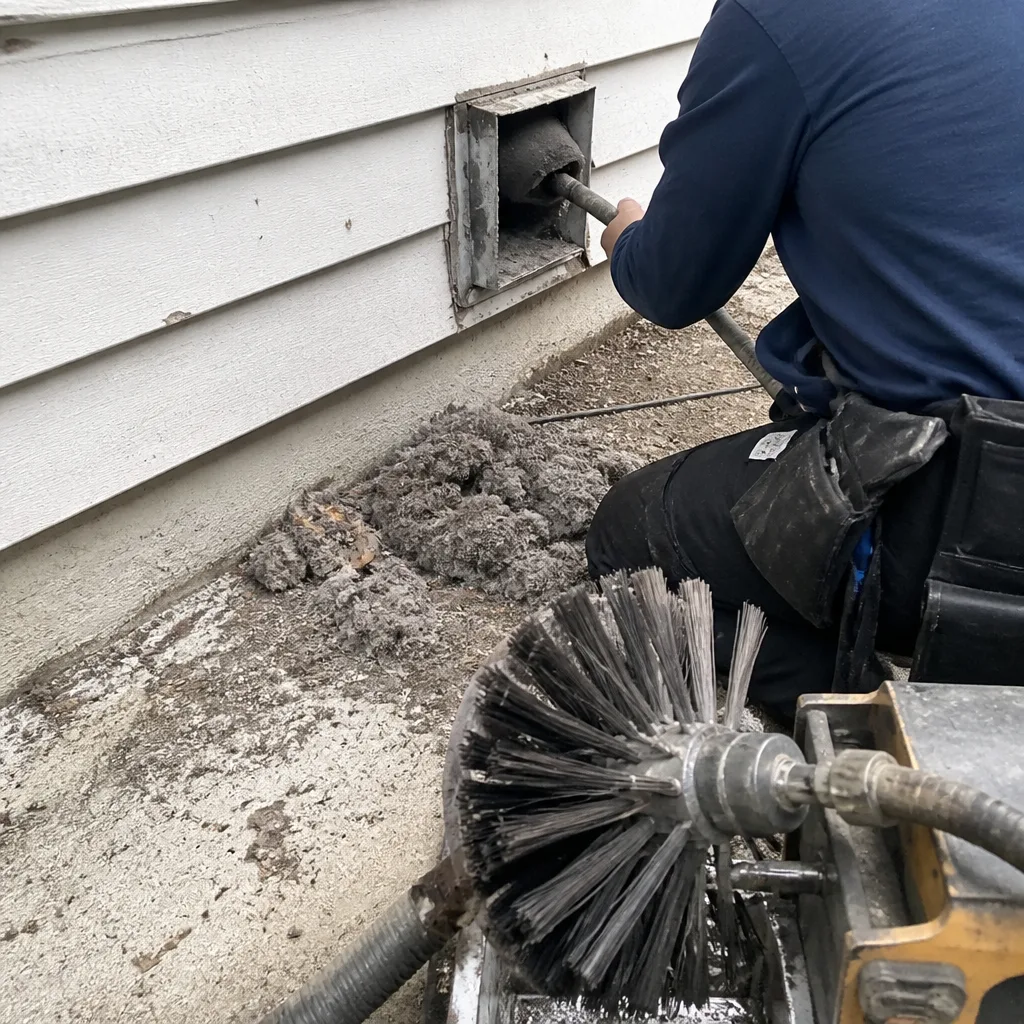 Before
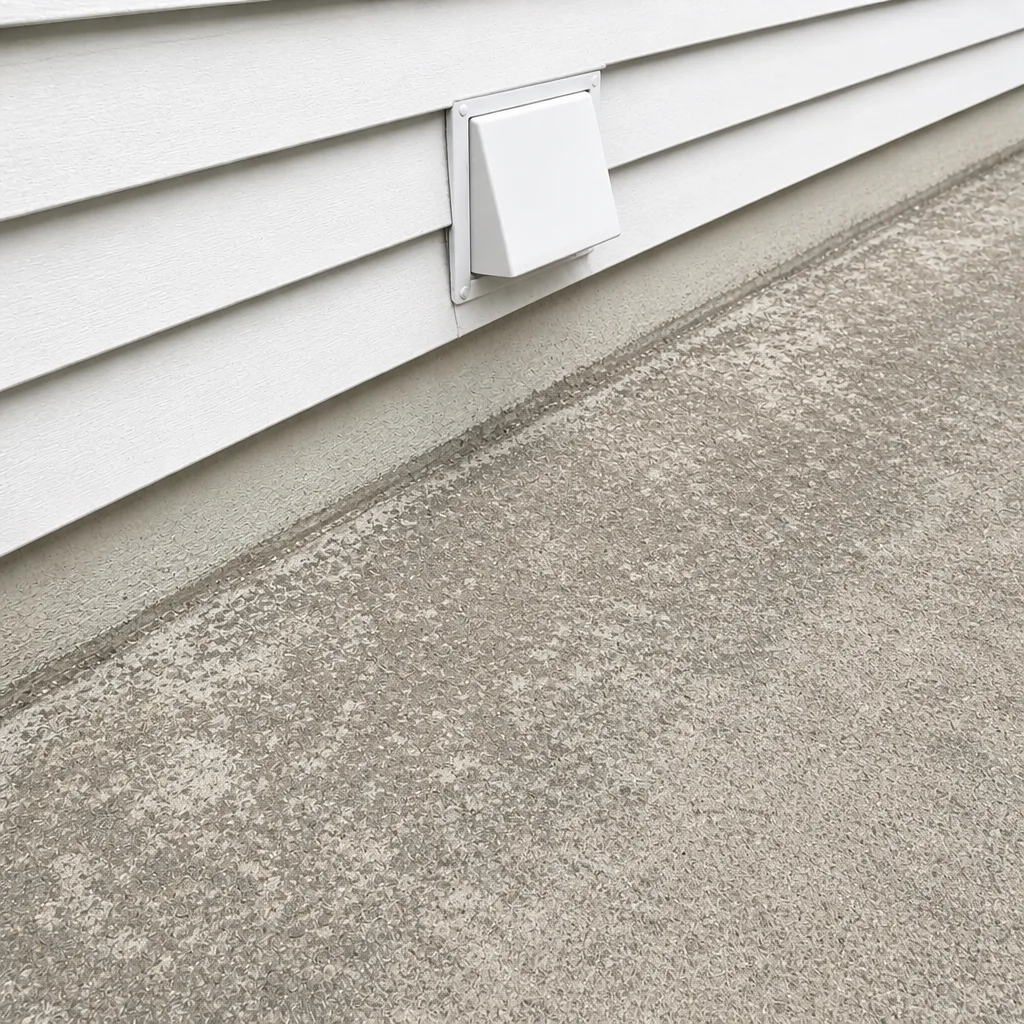 After
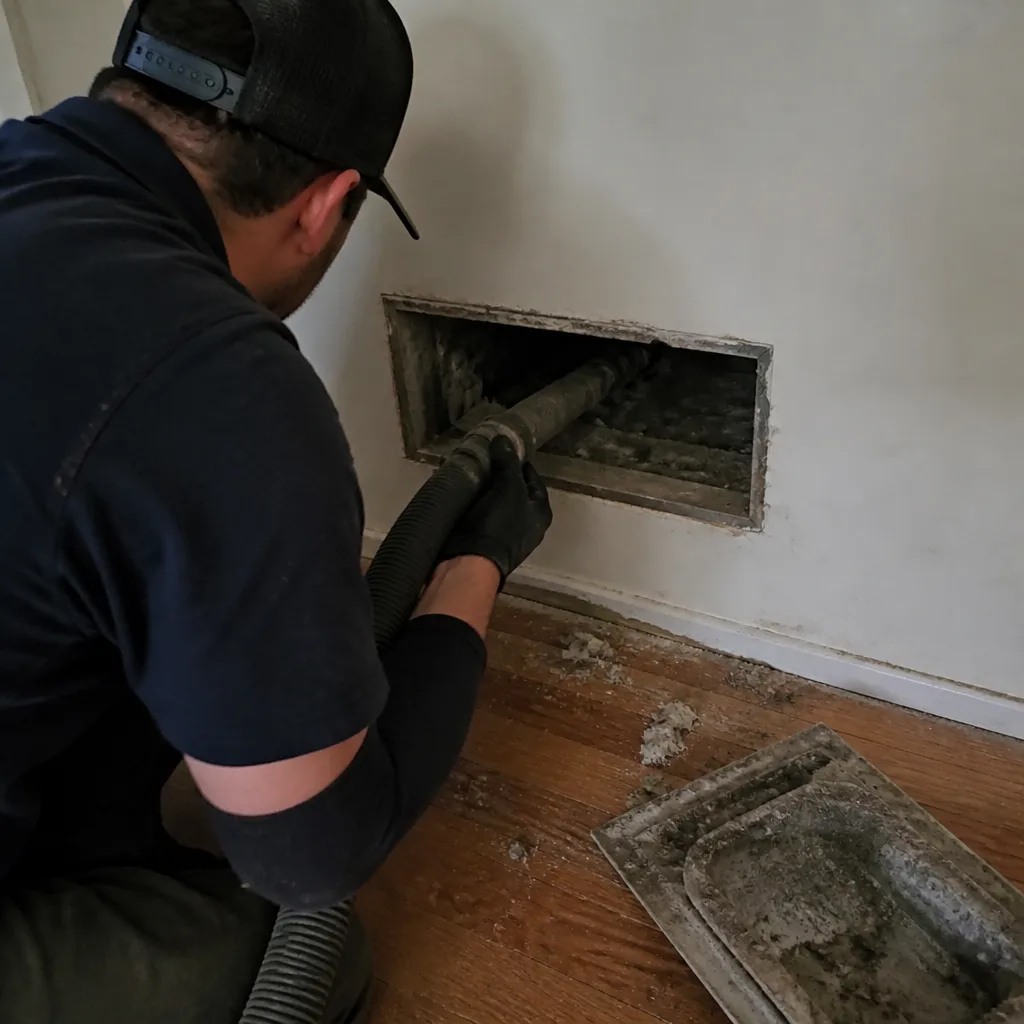 Before
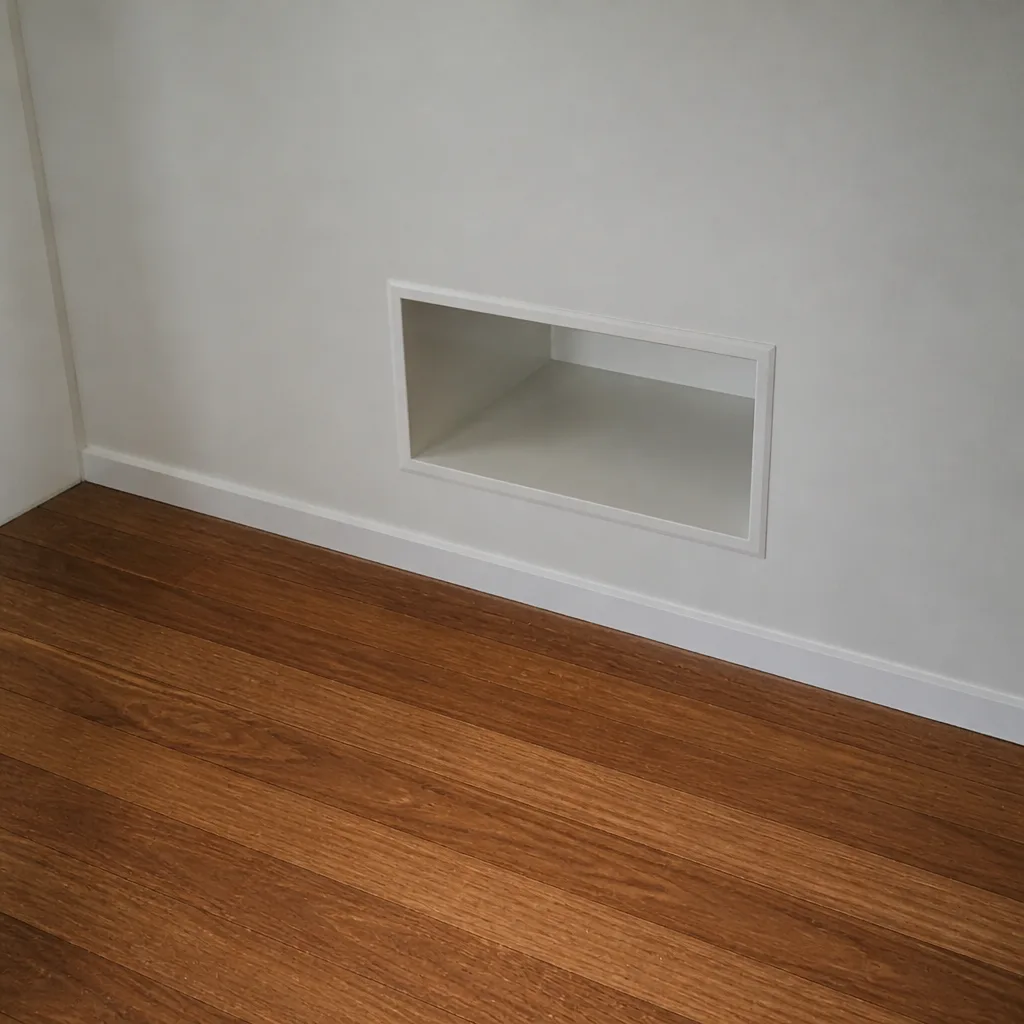 After
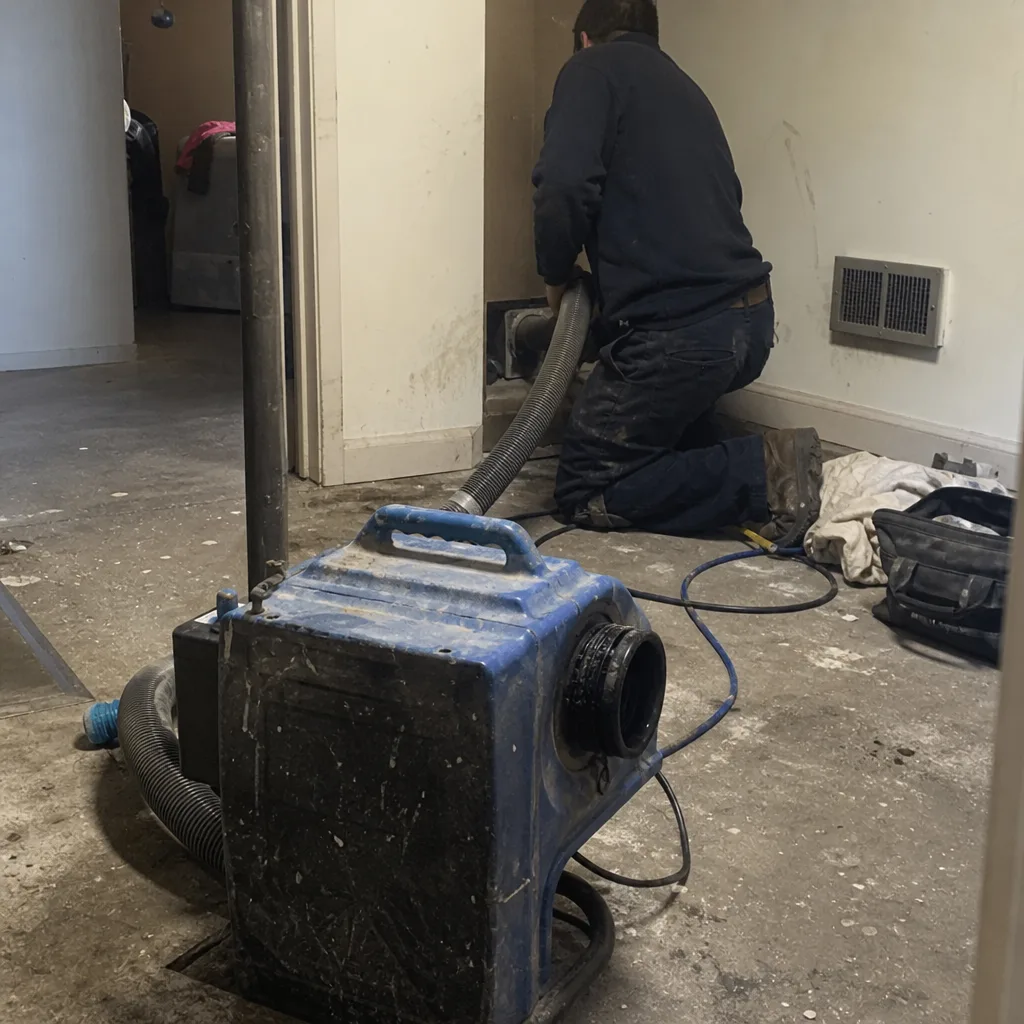 Before
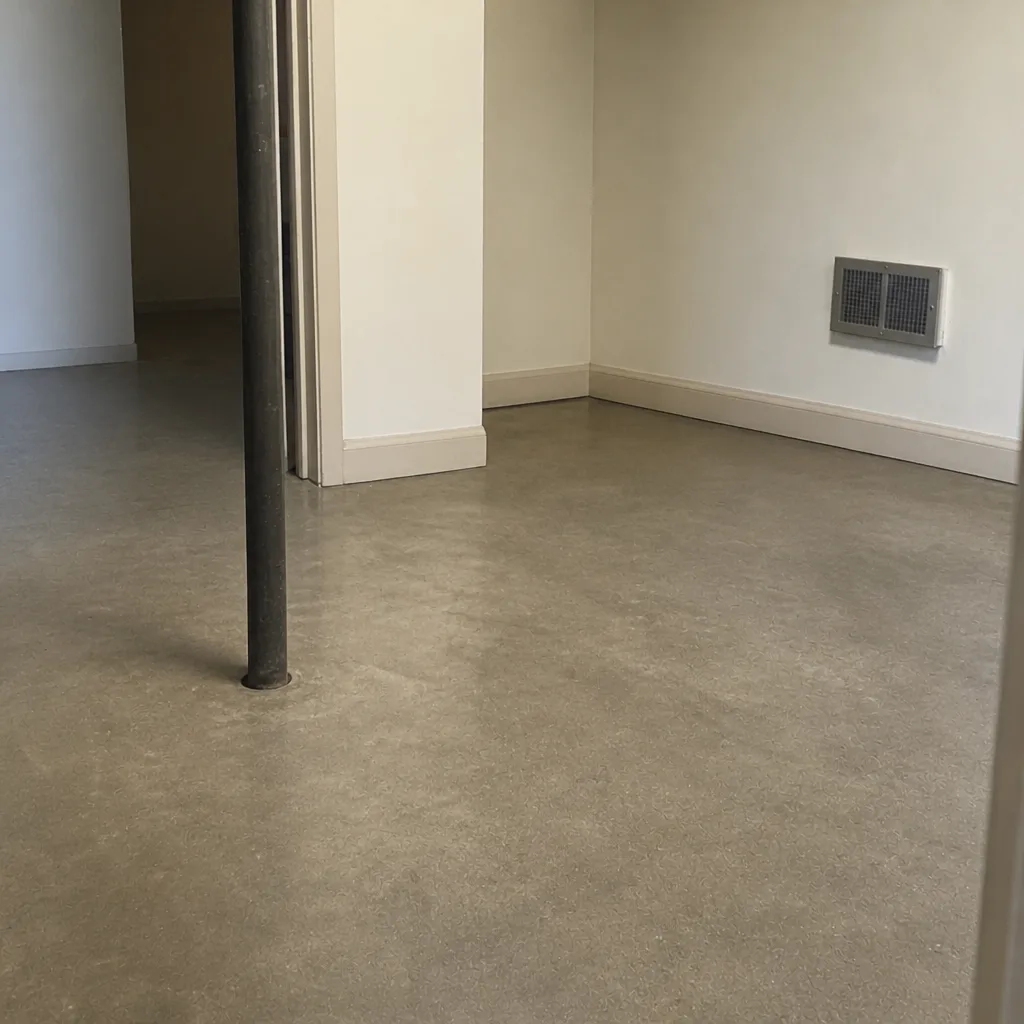 After
When to Call a Professional
Some situations need a professional evaluation rather than a decision made on the spot. If you’ve had recent renovation work and the dust hasn’t settled, if family members are reacting to the air in the home, if you’re buying a Pleasant Grove house and want to know the condition of the duct system before closing, or if a previous contractor cut access openings you’re not sure were properly sealed, those are all good reasons to get a professional assessment. The same goes for any situation involving visible mold growth, a suspected moisture problem in the ductwork, or a home built before 1978 where lead-safe practices matter.
Pleasant Grove Air Duct Cleaning Pros offers free estimates in Pleasant Grove. Call (833) 513-8678. We answer 24/7. Fast dispatch from 7am to 7pm, Sunday through Friday. Our team handles cleaning, repair and sealing, HVAC cleaning, air quality and sanitizing, and dryer vent cleaning in one visit, so you’re not coordinating three contractors to fix one air system. Estimates are free, the price is set per job by the written estimate, and we’ll tell you plainly which parts of your job cross the line into permitted work.
Frequently Asked Questions
Routine cleaning of an existing duct system does not require a building permit in Pleasant Grove. Work that changes the system, such as new duct runs, permanent access doors, aerosol sealant application, or mold remediation, can require a permit under Utah’s adopted mechanical code. When in doubt, call Pleasant Grove’s building department and describe the scope before work begins. Call (833) 513-8678 for an estimate; estimates are free.
Duct sealing with mastic or tape at joints during cleaning is normal maintenance, while aerosol-applied sealant injected under pressure into the duct system is generally treated as mechanical work requiring a licensed mechanical contractor. The distinction comes from how the IMC, which Utah adopts, defines the mechanical system. Confirm the contractor’s Utah license status in writing before sealing work begins. Call (833) 513-8678 with questions about your specific job; estimates are free.
They can. Federal lead-safe renovation rules apply to work in pre-1978 housing that disturbs painted or sealed surfaces, and accessing ductwork can involve exactly that. Ask whether the contractor holds EPA RRP firm certification and how they’ll contain dust during the work. If the answer is vague, get a second opinion. Call (833) 513-8678 to talk through your home’s age and setup; estimates are free.
Cleaning a duct system and remediating mold growth in it are different scopes. Mold remediation involves containment, removal of affected material, and verification, and it’s not the same as sanitizing a clean system. A contractor should tell you which one your situation needs, and a good contractor will say so plainly even when the smaller job is the one they’d rather sell. Call (833) 513-8678 to schedule an assessment; estimates are free.
Ask for a written scope naming every component to be cleaned, repaired, or sealed, the contractor’s license information, the equipment being brought on site, an access and containment plan, before-and-after photo documentation, and a written price for the whole system rather than per vent. Anything applied inside the ducts should come with manufacturer documentation. Call (833) 513-8678 for a written estimate; estimates are free.
Ask for before-and-after photos of the duct interiors, a written summary of what was cleaned and what was found, and documentation of any product installed. For permitted work, ask for the inspection record and confirmation that the permit was closed. Openings cut for access should be visibly sealed and finished. A contractor who documents the work invites you to check. Call (833) 513-8678 to book a free estimate.
The Bottom Line
Air duct cleaning in Pleasant Grove usually needs no permit, and that’s exactly why the line matters. Cleaning is maintenance. Repairing, sealing, installing permanent access components, and remediating mold can all cross into work governed by Utah’s mechanical code, federal lead-safe rules, or remediation standards. The protection is simple: a written scope, license information on request, documented equipment, before-and-after photos, and one clear price for the system. Know which side of the line your job falls on before anyone arrives, and ask the questions while they’re still easy to ask. For the full picture of how a cleaning and repair visit fits together, see our Pleasant Grove Air Duct Cleaning Pros page, or go straight to air duct cleaning and HVAC cleaning.
Call (833) 513-8678 for a free estimate. We answer 24/7. Fast dispatch from 7am to 7pm, Sunday through Friday, and we’re closed Saturday. We’ll walk your system, explain what falls under maintenance and what would need a permit, and give you one written price before any work starts.
Written by the team at Pleasant Grove Air Duct Cleaning Pros.