
Last updated November 23, 2026
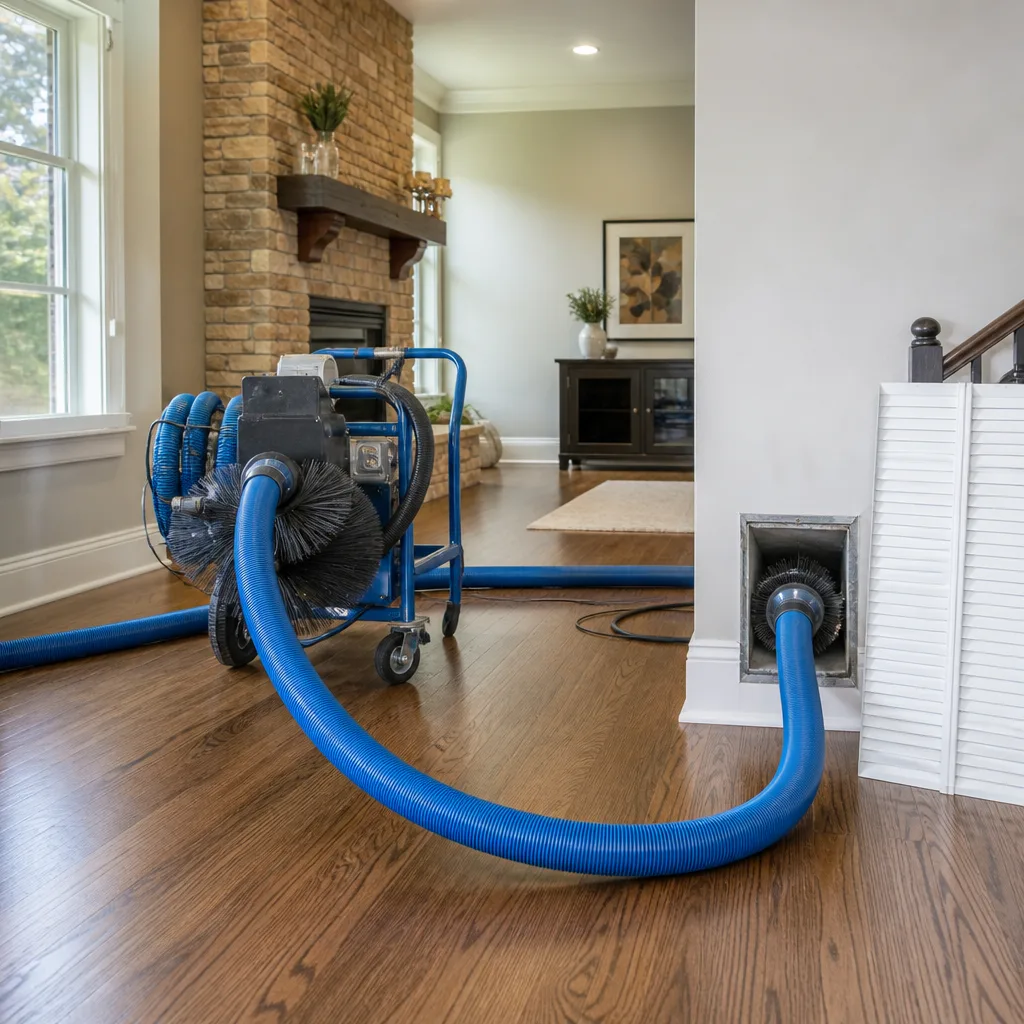 Whole-home duct cleaning
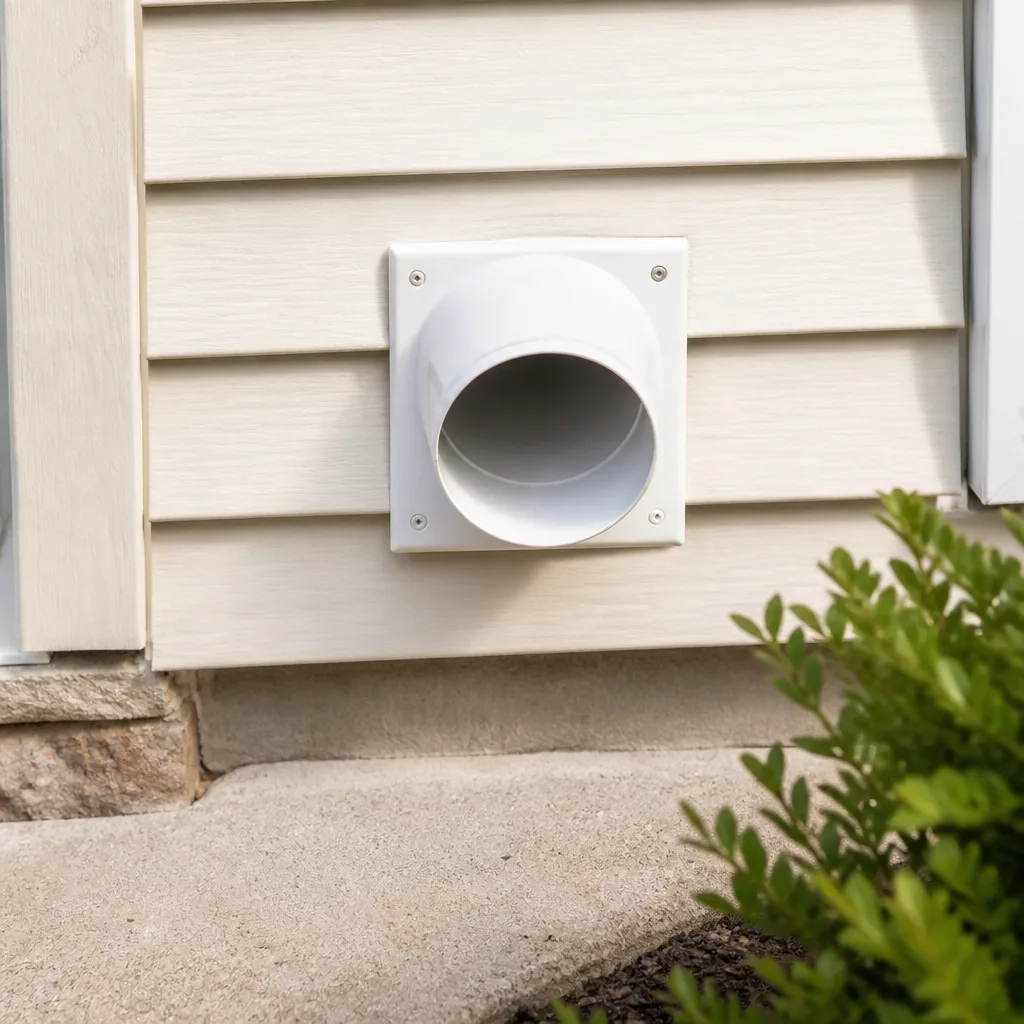 Dryer vent cleaning
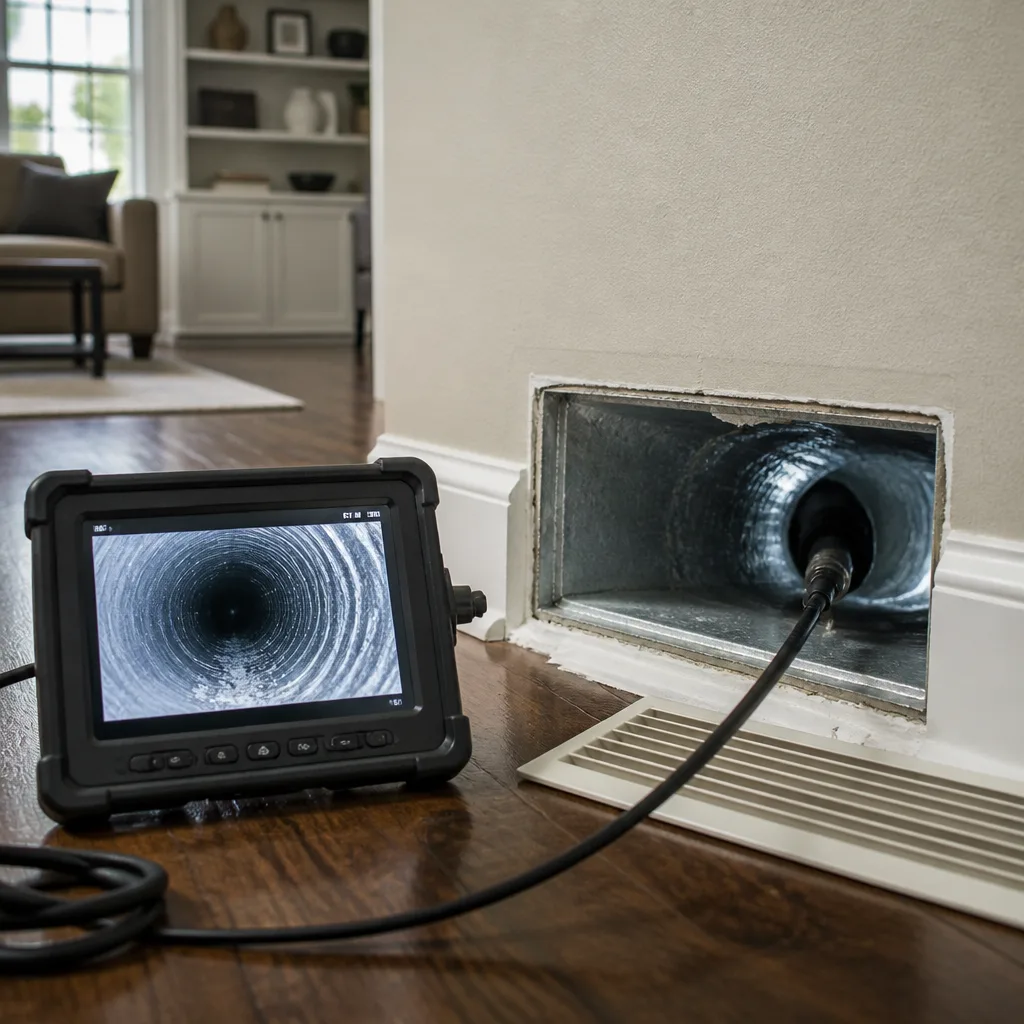 Camera inspection
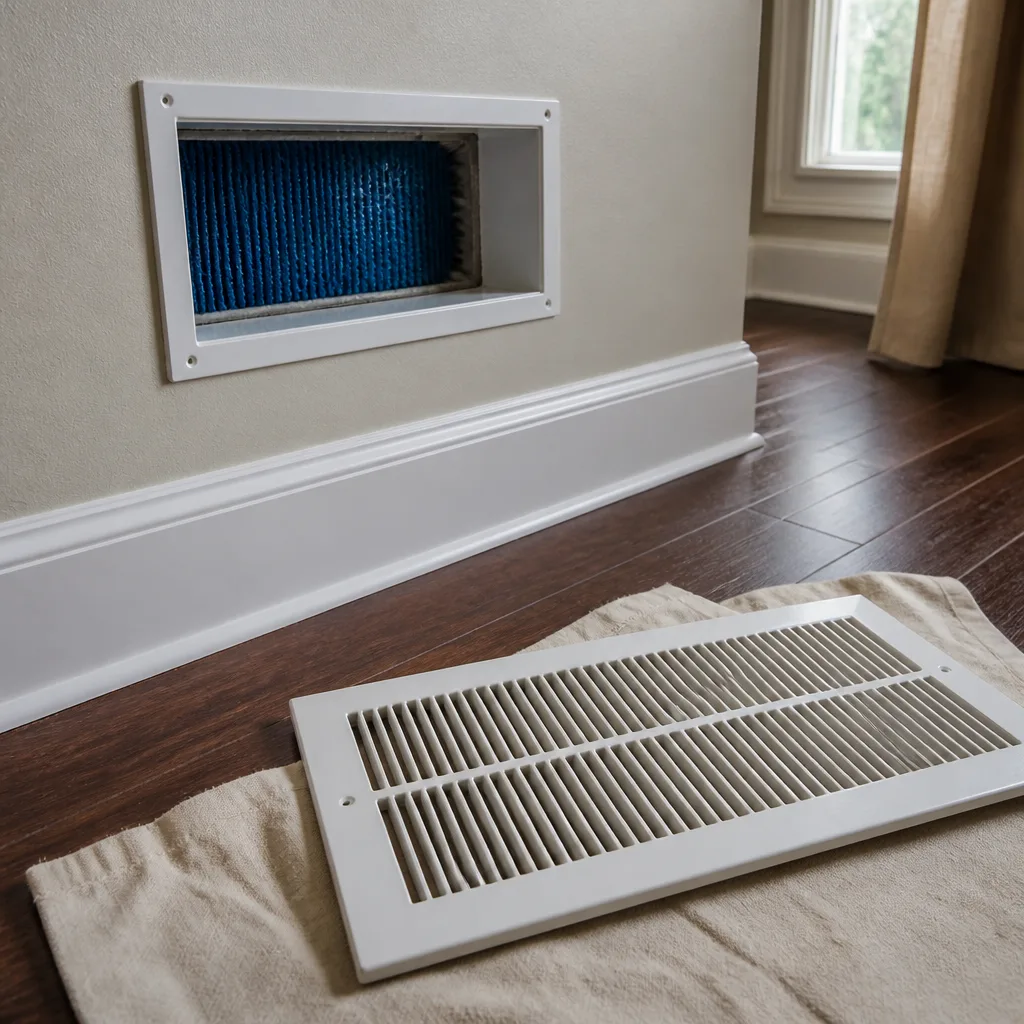 Sanitizing & deodorizing
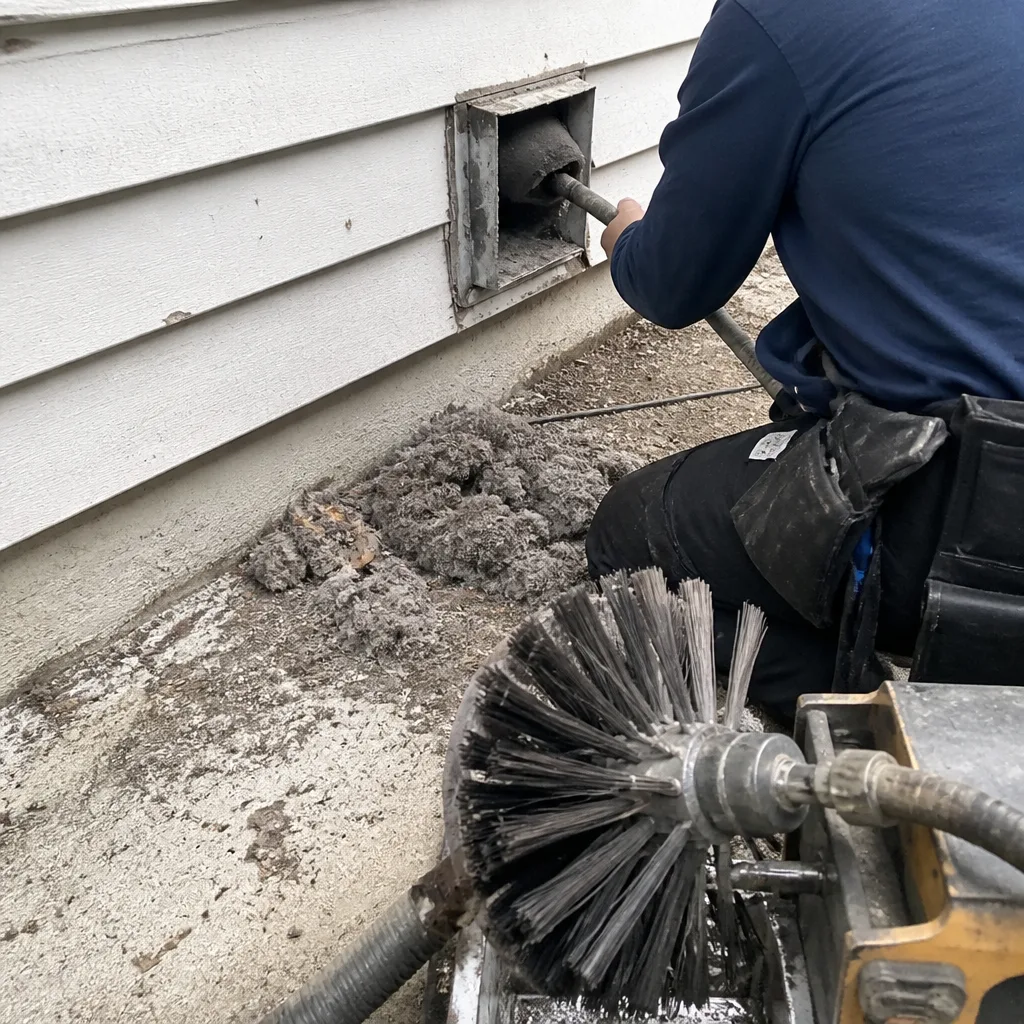
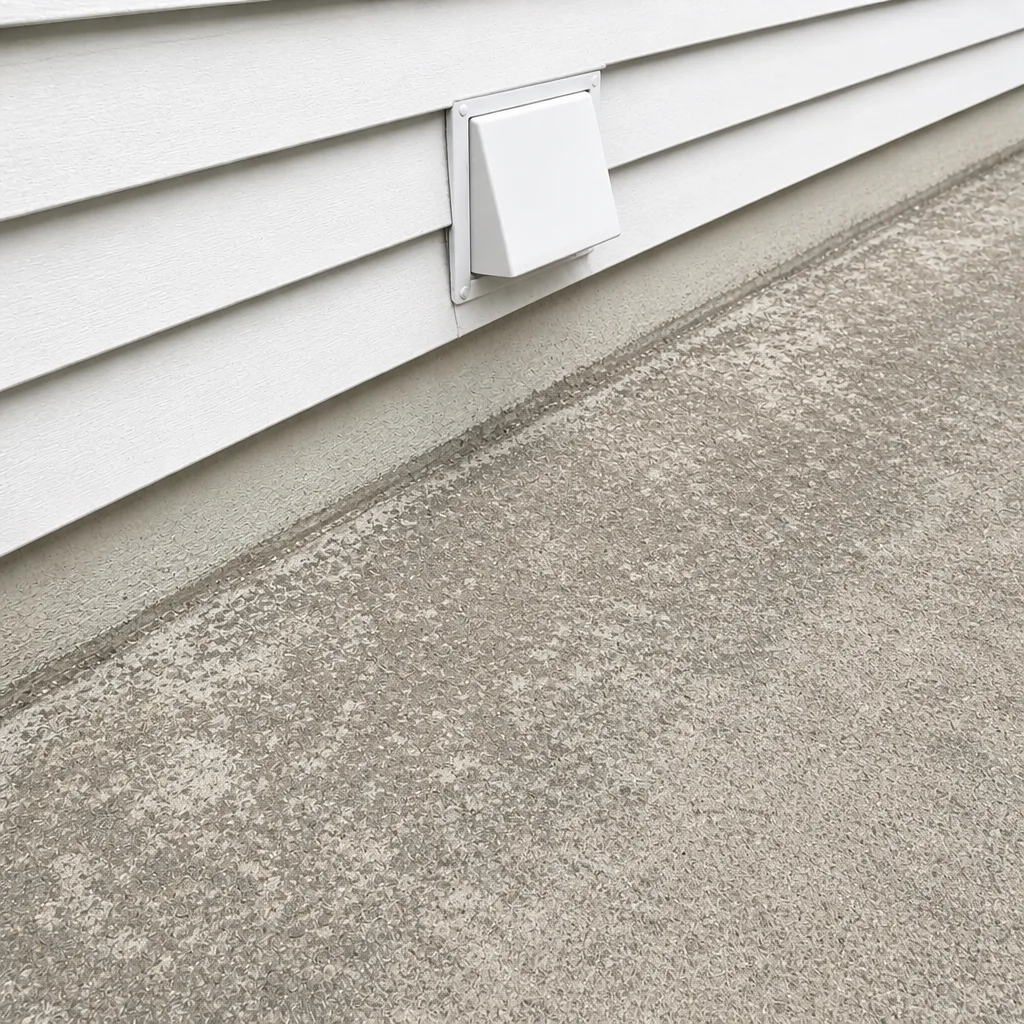
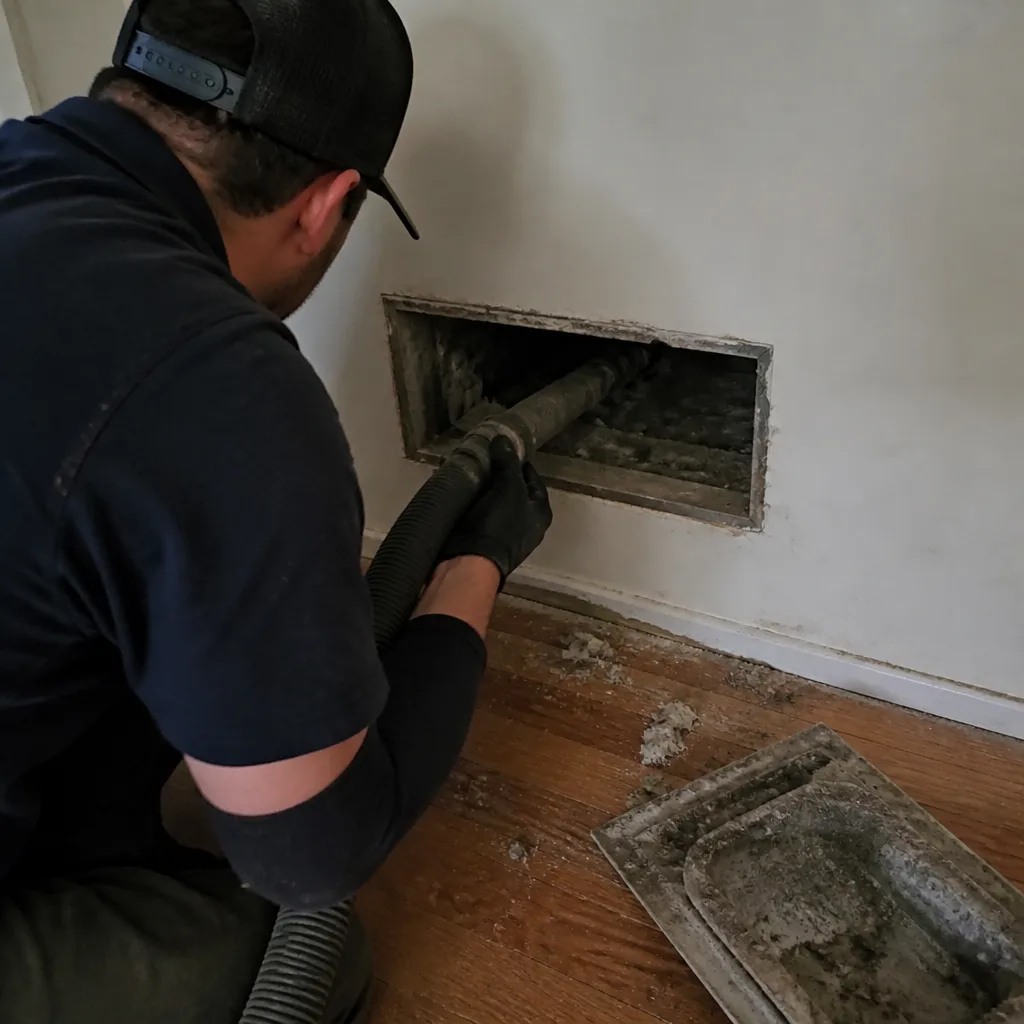
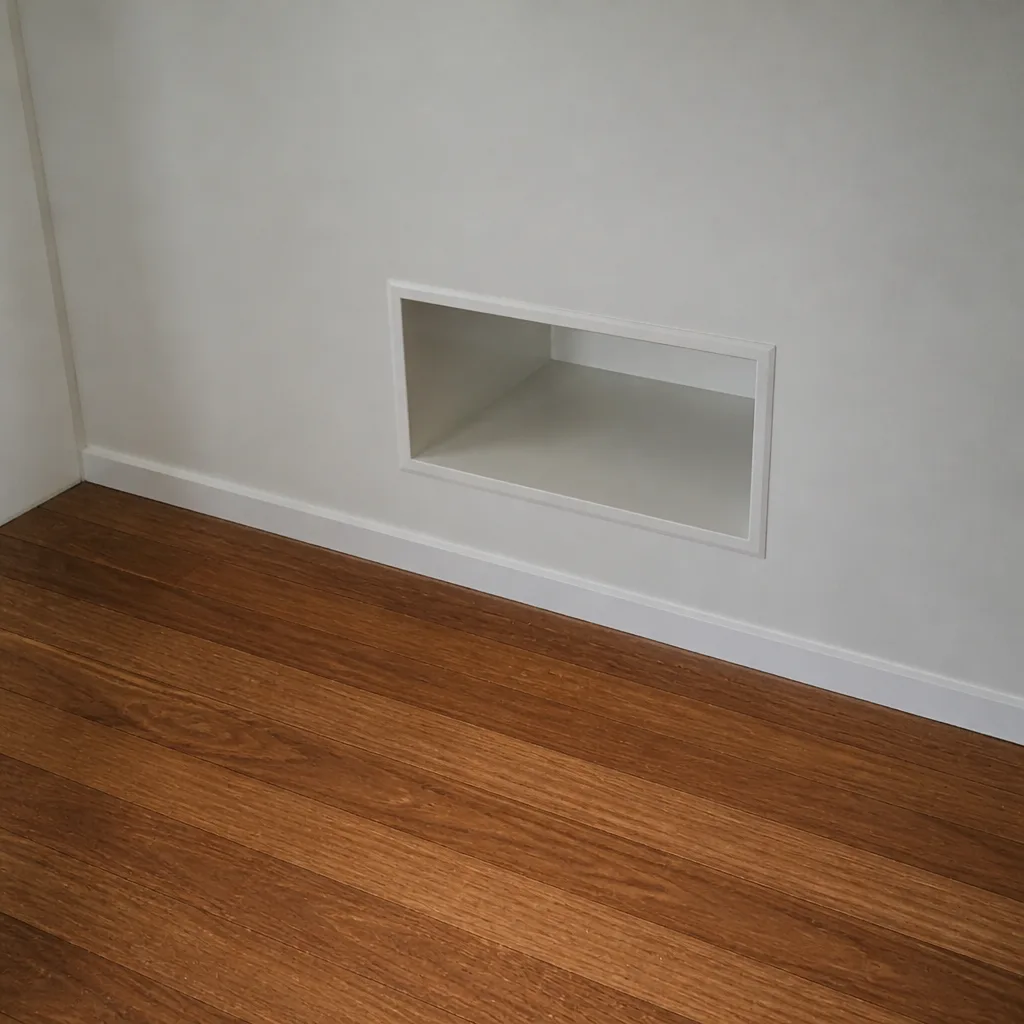
Whole-system duct and dryer vent check with before-and-after photos - you see exactly what came out of your vents
That "$99 whole-house special" is a bait ad - the real number appears once they are in your hallway, or the "clean" is a shop-vac at the register. We photograph the inside of your ducts before and after instead.
Air Duct Cleaning Warning Signs: A Pleasant Grove Homeowner’s Reference Guide
Most duct problems don’t announce themselves. They arrive as a dust film you wipe away on Tuesday and see again on Thursday, a bedroom that never quite matches the thermostat, a faint smell when the furnace kicks on. Individually, each of those is easy to explain away – the dog, the dry air, an old filter. Together, they form a pattern that tells you your duct system is under stress. This guide is about reading that pattern in a Pleasant Grove home before it turns into a repair bill, and knowing which signals can wait for a scheduled appointment and which need a call today.
Quick Answer
The warning signs of a duct system that needs attention are: dust returning to surfaces within 24 to 48 hours of cleaning, uneven room temperatures or weak airflow from some registers, musty or sharp odors that appear only when the HVAC system runs, visible dark buildup on register grilles, and a filter that loads up far faster than it should. None of these are emergencies on their own. Two or more together, especially with a smell or a health concern in the house, usually mean contamination or leakage somewhere in the duct pathway that needs a professional inspection.
Styles & brands we work with
- Whole-home duct cleaning
- Dryer vent cleaning
- Camera inspection
- Sanitizing & deodorizing
Table of Contents
- Dust That Comes Back in 24 to 48 Hours
- Airflow Symptoms: What Your Registers Are Telling You
- Odor Diagnostics: Four Smells, Four Different Problems
- Reading Buildup at the Register: Color and Texture Tell You What It Is
- Leakage and Pressure Imbalance: The Problem Hiding Behind the Dust
- Why Pleasant Grove Homes Stress Ducts Differently
- When to Call Immediately vs. When It Can Wait
- How to Track the Pattern Over Time
Dust That Comes Back in 24 to 48 Hours
If you dust a surface and it’s visibly dusty again within two days, you’re not seeing a housekeeping problem. You’re watching your HVAC system redistribute what’s already inside the ductwork, and it usually means air is bypassing the filter somewhere between the return grille and the blower.
The key word is bypass. A filter can only catch what actually passes through it. If a return duct has a gap at a joint, a poorly seated filter frame, or a disconnected section in a crawlspace or attic, unfiltered air gets pulled in downstream of the filter. Whatever that air carries – insulation fibers, dust from framing cavities, debris that settled during a remodel – gets delivered straight to your living room.
Here’s how to tell normal post-disturbance dust from duct-distribution dust:
- Post-disturbance dust shows up after a specific event – moving furniture, a renovation, opening and closing windows on a windy day, a new pet. It settles over one to two weeks and tapers off. It’s heaviest near the source of the disturbance, not near registers.
- Duct-distribution dust is steady and repeatable. It appears on horizontal surfaces within a day or two of cleaning, is heaviest directly under and around supply registers, and doesn’t taper off. You’ll often see a faint streak pattern on the wall or ceiling above a supply register – that’s the supply airflow carrying particles out of the duct and depositing them where the air slows down.
One check worth doing: remove a floor supply register and look at the boot – the metal or plastic box that connects the duct to the floor opening. If the boot has a visible dust film inside before the air even reaches the room, the contamination is upstream. If the boot looks clean but your surfaces don’t, the problem is likely leakage pulling dust in downstream of the filter, which is a sealing issue rather than a cleaning issue.
Airflow Symptoms: What Your Registers Are Telling You
Airflow complaints get misdiagnosed more than any other duct symptom because homeowners usually blame the furnace or the air conditioner first. Sometimes they’re right. Often they’re not. The duct system and the equipment fail in different ways, and the pattern of the symptom tells you which one you’re dealing with.
Hold a tissue or a thin strip of paper against each supply register in the house in turn. Then compare:
- All registers weak, uniformly. Most likely equipment: a dirty blower wheel, a clogged filter, or a failing blower motor. It’s a system-wide problem, not a duct problem.
- Some registers strong, others weak. Most likely ductwork: a crushed or disconnected flex run, a damper stuck closed, a sagging trunk line, or a long run with too many fittings. This is a duct issue even when the equipment is healthy.
- Weak at the far end of the house, strong everywhere else. Classic pressure imbalance. The trunk line is losing air through leaks before it reaches the far rooms, or the system was never balanced properly. Common in additions and finished basements.
- Strong at registers but rooms are uneven in temperature. Airflow is fine but the air is going somewhere it shouldn’t, or a room is losing or gaining heat through envelope issues. Leakage and insulation both need checking before you conclude the HVAC itself is at fault.
Uneven temperatures upstairs in a two-story Pleasant Grove home are almost a cliché, and they’re rarely just a thermostat issue. Warm air rising, cool air pooling, and a supply run on the sunny side of the house doing more work than the shaded side all combine with duct leakage to make upper bedrooms feel like a different building. If sealing the duct system is the root fix, our air duct cleaning and repair work is usually where the diagnosis starts.
Odor Diagnostics: Four Smells, Four Different Problems
Smell is the most diagnostic signal a duct system gives you, and the most often ignored. A smell that appears only when the system is running, and disappears when it’s off, is coming from inside the duct pathway or the equipment. Identifying which of four families it belongs to tells you what to do next.
1. Musty, damp, or mildew smell
This is a moisture story. Condensation on cold supply ducts during summer cooling, a humid crawlspace feeding the return air, or a wet evaporator coil pan can all grow biological contamination inside the duct pathway. It tends to be strongest in the first few minutes after the system starts, then fades as air moves. In a Pleasant Grove summer, where the cooling coil runs hard and the air is dry, the interaction between a cold coil and a warm return is where moisture usually comes from – not from rain getting into the ducts.
2. Sharp, acrid, or burnt-wire smell
This is an HVAC component failure symptom, not a duct cleanliness symptom. A failing blower motor, an overheating component in the air handler, or a control board in distress can produce a sharp smell that reaches the house through the supply side. If the smell is accompanied by the system short-cycling or not starting reliably, turn the system off at the thermostat and have a technician look at the equipment before running it again. This one is a safety call.
3. Stale, musty, or animal smell in specific rooms
Rodent activity in ductwork or in the cavities the ducts pass through shows up as a smell concentrated in one or two rooms, usually the ones farthest from the air handler or with runs through the attic or a wall cavity. Droppings and nesting material in a duct run create a smell that’s persistent rather than system-cycle-dependent, and you may find small debris or a chewed flex duct end at a register. This is a real health and safety issue and needs professional attention, not a deodorizing spray.
4. Faint plastic or chemical smell
New flex duct, a recently installed air handler, or fresh duct sealant can off-gas for a short period after installation. This one usually fades on its own and isn’t a contamination sign – but if it appears long after installation, it’s worth having the equipment checked in case a component is overheating.
If you can’t place the smell, note when it appears: at system start, continuously while running, or only in certain rooms. That timing narrows the cause faster than anything else you can tell a technician on the phone.
Reading Buildup at the Register: Color and Texture Tell You What It Is
Supply and return registers are your inspection windows. Pull one off and look inside the boot and the first few inches of the duct run. The color and texture of what you see tells you what kind of contamination is there, and each type calls for a different response.
- Grey, soft, fibrous, slightly fuzzy. Skin cells, lint, pet hair, and fabric fibers. This is the ordinary household dust load. It builds up gradually and is the most common finding in any home. It responds well to professional cleaning with a rotary brush system, which is one reason we run Rotobrush and Nikro equipment – the agitation and extraction happen together instead of one just stirring the debris loose.
- Black, sooty, greasy, or oily to the touch. Combustion soot or cooking residue, usually from a kitchen exhaust issue or a furnace or water heater venting problem. If you see this in a return that runs near a gas appliance, it’s worth having the venting checked before you assume it’s just duct dirt. Soot in a return duct can point to a combustion issue that’s a safety concern far beyond air quality.
- White, chalky, or crusty. Mineral deposits from humidification or from moisture that has evaporated inside the duct. Usually a sign of past or current moisture in the system.
- Green, black, or dark patches that look like staining, especially near seams. Biological growth. Distinct from plain dust because it’s clustered, often near joints where condensation occurs. This needs a sanitizing step as well as cleaning, and the moisture source needs to be found or it comes back.
- Visible debris that isn’t dust at all – insulation fragments, drywall dust, or a chewed flex duct at the register. Insulation and construction debris usually date to a build or renovation and respond to cleaning. Chewed duct is a rodent issue and needs repair, not just cleaning.
Look at more than one register. Contamination at every supply points to the whole system. Contamination at one register points to that run.
Leakage and Pressure Imbalance: The Problem Hiding Behind the Dust
Most of the symptoms in this guide trace back to one root cause: the duct system is not sealed. Leakage does two things at once. It dumps conditioned air into attics, crawlspaces, and wall cavities, which means the air you paid to heat or cool never reaches your rooms. And it pulls unfiltered air in – air a professional vacuum can’t reach but your family breathes.
Signs of leakage worth noting:
- Dust streaks on insulation or framing in the attic near duct joints – a leak is blowing dust out into the attic and staining the material.
- A return grille that whistles or feels unusually strong for its size – the system is pulling air harder than it should, often because return capacity is short.
- Doors that don’t close easily or feel like they suck shut when the system runs – a classic pressure imbalance caused by short return air.
- An attic that is noticeably hot in summer and cold in winter above the rooms where the ducts run – a sign of duct leakage into that space.
- Energy bills that creep up without a clear cause and no change in equipment or usage patterns.
Sealing is the part of the work that most cleanup-only providers skip. Cleaning a leaking system means the dust comes back because the leaks that pull it in are still there. That’s why we treat HVAC cleaning and duct repair and sealing as one job: clean the system, seal the leaks that make the cleaning necessary, then the system stays clean. We seal and repair what we find in the same visit we clean, and we use Abatement Technologies containment and filtration equipment during the work so dust released during the process doesn’t migrate into the rest of the home.
Why Pleasant Grove Homes Stress Ducts Differently
Duct behavior is local. A system that runs four months a year in a mild climate ages very differently from one that fights a Utah Valley summer and a Utah Valley winter back to back. Pleasant Grove sits in that second category, and the climate leaves a specific signature on duct systems here.
Summer cooling is a heavy workload. When the air outside is hot and dry and the air handler is pumping cold air through attic runs, the temperature differential across the supply ducts is large. That differential drives condensation on cold surfaces if there’s any moisture present and drives leakage harder because the pressure differential between the duct interior and the attic is bigger. Attic runs that pass under a sun-baked roof deck are working with a double load in July.
Winter brings the opposite stress. Long furnace run cycles push warm, dry air through the system, and the dust that settled over the cooling season gets lifted and distributed. This is why a lot of homeowners notice their dust problem in November and December – the system has just switched modes and is redistributing the summer’s accumulation. Winter is also when static and dry air make dust particles hang in the air longer and settle more visibly on surfaces.
Pleasant Grove’s mix of newer construction and older homes adds a second variable. Newer builds often have tight envelopes and sealed systems but construction debris left in the ducts from the build. Older homes in the neighborhoods around the city often have original metal ductwork with seams that have loosened, or flex duct that has been crushed or re-routed by a previous renovation. In either case, the pattern of warning signs is the same – dust, airflow, odor, buildup – but the underlying cause and fix differ. A thorough inspection tells you which you’re dealing with before you spend money on the wrong service.
When to Call Immediately vs. When It Can Wait
Not every warning sign is urgent, and treating them all as emergencies pushes homeowners into panic decisions. Use this triage framework to decide how fast to act.
Call immediately (today)
- A sharp or burning smell from the system, especially with short-cycling or a system that won’t start. Turn the thermostat off and have the equipment looked at before running the system again. This is a safety issue, not a comfort one.
- Rodent evidence in the ducts – droppings, a chewed duct, or a persistent animal smell in a specific room. This is a health concern and a contamination source that spreads every time the system runs. Call dryer vent cleaning and duct work at the same time if you have both, so one visit covers both.
- Black sooty buildup in a return duct near a gas appliance. Soot in a return can signal a combustion venting problem. Have the appliance and the duct checked before running the system again.
- Visible biological growth in the ductwork, especially with a musty smell in the house. The moisture source needs to be found and the growth needs to be remediated by a professional, not sprayed over.
- Anyone in the home with asthma, allergies, or a compromised immune system reporting symptoms that worsen when the system runs. The health risk of waiting is higher than the cost of an inspection.
Schedule within the next few weeks
- Dust returning within 48 hours of cleaning, on its own.
- Uneven room temperatures or weak airflow to a few rooms.
- A filter that loads up faster than it used to.
- Faint musty smell that appears at system start and fades.
- Visible grey dust buildup inside supply registers.
These are the signs of a system under stress, but they don’t carry the same health or safety weight. Schedule them, don’t panic. For the first two categories – the urgent ones – call (833) 513-8678. We answer 24/7. Fast dispatch from 7am to 7pm, Sunday through Friday.
How to Track the Pattern Over Time
Because the warning signs are subtle individually and meaningful in combination, the single most useful thing you can do as a Pleasant Grove homeowner is keep a short record. Not a spreadsheet. A note on the fridge or in your phone reminding you when the filter was changed, when you last noticed the dust, and what the smell was.
A simple pattern-tracking routine:
- Date the filter. Write the installation date on the filter edge with a marker. When you replace it, write the new date. If the interval between changes keeps getting shorter, the system is telling you something is loading the filter faster than it should.
- Note the dust. Once a month, wipe a single horizontal surface under a supply register and check it 48 hours later. If the surface is visibly dusty at the two-day mark, note it.
- Do a register check each season. Pull one supply and one return register when the season changes and note the color and texture of any buildup. Same color, same pattern, no change is a good sign. Changing from grey to dark or clustered is not.
- Log the smell. If you notice an odor, note when it appears – system start, continuously while running, or only certain rooms. That detail alone saves a technician half the diagnosis time.
- Watch the temperature spread. On a hot afternoon and a cold morning, note whether any rooms can’t keep up. A widening spread between rooms is an early duct leakage signal.
A record like this makes an inspection faster and more accurate, and it protects you from being sold work you don’t need. A technician with a pattern to read doesn’t need to guess.
When to Call a Professional
Call a professional when you see two or more warning signs at once, when any sign shows up alongside a smell, or when someone in the home has a respiratory condition that worsens when the system runs. Call immediately – don’t wait for a scheduled appointment – if you smell something sharp or burning, see black sooty buildup near gas equipment, or find rodent evidence in a duct. A register check you can do yourself. Diagnosis of the whole air pathway, cleaning with professional equipment, sealing the leaks that cause contamination, and sanitizing what cleaning disturbs is not a home task. Pleasant Grove Air Duct Cleaning Pros offers free estimates in Pleasant Grove – call (833) 513-8678. The written estimate sets the price per system before any work starts, and you see before-and-after photos of your own ducts when the job is done.
See the difference
 Before
 After
 Before
 After
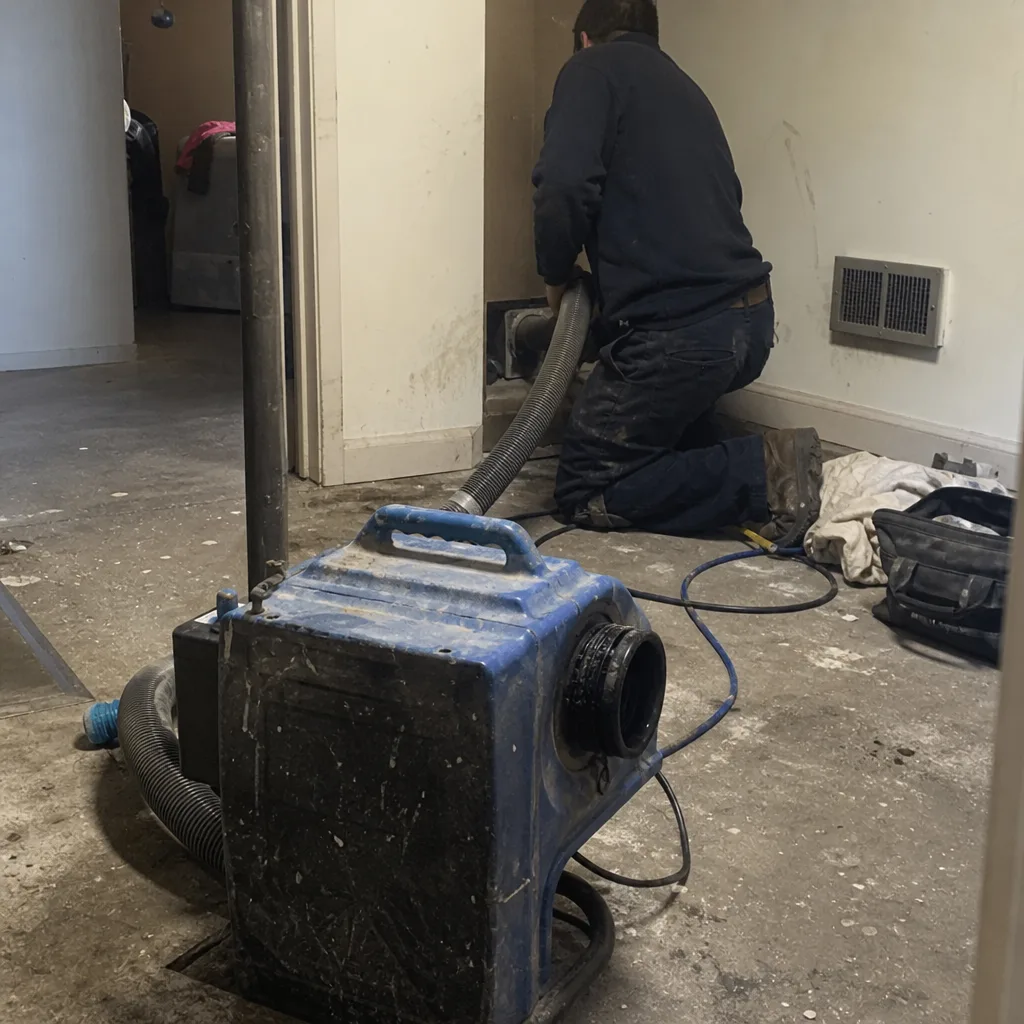 Before
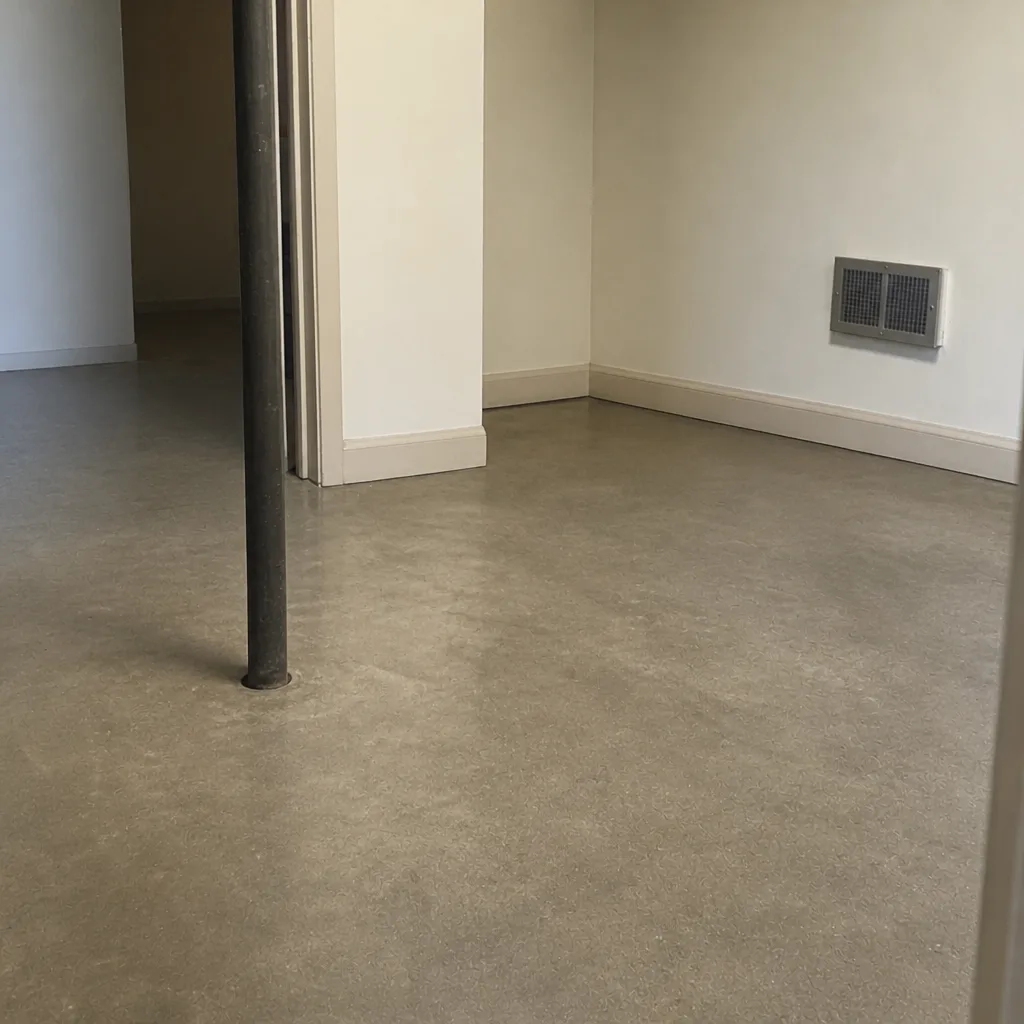 After
Frequently Asked Questions
Most Pleasant Grove homes need it every three to five years, and homes with pets, smokers, recent renovations, allergy sufferers, or heavy summer cooling loads need it more often – closer to every two to three years. The honest answer is that duct condition, not a calendar, should drive the schedule. A home with sealed, well-maintained ducts and a clean filter can go longer than the interval suggests. A home with leakage and a fast-loading filter will need it sooner. Watch the warning signs in this guide and let them tell you. Call (833) 513-8678 for an exact quote – estimates are free.
Cheap quotes usually reflect a cheaper scope, not a cheaper price for the same work. The common low quote is per-register and covers a surface vacuum of the visible duct openings without agitating the whole duct path, sealing leaks, or containing dust during the work. What’s not included in that price is the equipment to actually reach contamination inside the runs, the containment to keep dust out of the house during cleaning, or the repair of the leaks that caused the problem in the first place. Our pricing is one flat price per system, agreed before work starts, so the estimate you get is the invoice. Call (833) 513-8678 for an exact quote – estimates are free.
Cost depends on system size, number of registers and returns, how much contamination there is, and whether repair or sealing is needed. We don’t quote a per-vent price, and we don’t quote a teaser number that changes on the day. Instead, we give one flat price per system after an inspection, and the written estimate sets the final price. Many jobs are cleaning only; some include sealing and repair if leaks are the root cause. Ask for the estimate to be broken down by what’s being done, not just by the number of vents. Call (833) 513-8678 for an exact quote – estimates are free.
Before-and-after photos of your own ducts, taken on-site. Every job includes them, and you should see them whether you ask or not. The bigger tell is the work order itself: if the quote describes only a per-vent vacuum and no agitation, no containment, and no inspection of the whole system, the scope is limited and the result will be too. Ask what equipment the crew will use and what happens to the dust that’s released during cleaning. A crew that can name its equipment and its containment is a crew that’s actually cleaning. Call (833) 513-8678 for an exact quote – estimates are free.
Cleaning the register covers is a reasonable home task and doesn’t hurt. What it doesn’t do is reach the contamination inside the duct runs, in the boots, or in the plenum, and it can’t detect or seal leakage. Surface cleaning can also make the pattern harder to read – once the register looks clean, the dust reappearing two days later looks like a mystery when it’s actually an airflow symptom you’d already identified. Register cleaning is fine as maintenance. It isn’t a substitute for the inspection.
No. A musty smell is a moisture signal, and the moisture can come from condensation on cold supply ducts, a humid crawlspace feeding the return, or a wet evaporator coil pan rather than active growth in the ducts themselves. It can also come from construction dust that has become damp. That distinction matters because the fix differs – cleaning and sanitizing addresses contamination, but if the moisture source isn’t found, it returns. That’s why an inspection that includes the equipment and the space the ducts run through matters as much as the cleaning itself. Call (833) 513-8678 if a musty smell shows up with other signs in this guide.
Common Mistakes to Avoid
- Treating every dust sighting as a cleaning job. Dust reappearing in two days is a leakage signal, not a housekeeping one. If you book a cleaning without sealing the leaks, you’ll see the same dust within a month and assume the cleaning didn’t work.
- Buying a cheaper filter to “fix” the dust. A higher-MERV filter only catches what passes through it, and a filter that’s too restrictive for the blower can reduce airflow and make the pressure imbalance worse. Match the filter to the system, not to the symptoms.
- Masking an odor with an air freshener or a scented sanitizer. A musty or animal smell is a diagnostic message. Covering it up removes the clearest sign of the problem and delays the fix.
- Assuming uneven temperatures upstairs are just “how this house is.” In Pleasant Grove, upstairs rooms that won’t match the thermostat are usually a duct leakage or balancing problem with a fix, not a permanent feature of the home.
- Running the system while you wait for a service call after seeing soot or smelling burning. Turn the system off and have the combustion equipment checked before running it again. Running it circulates the problem.
- Choosing a quote by price alone and not asking what’s included. A per-vent quote and a per-system flat price aren’t comparable. Ask what equipment will be used, whether containment is included, and whether sealing is part of the scope.
- Ignoring the pattern because each sign seems minor. One sign is a data point. Three signs across a season is a system telling you it’s under stress, and the earlier you read it, the smaller the repair bill.
Go Deeper
For a fuller picture of the services behind the diagnosis in this guide, start with Pleasant Grove Air Duct Cleaning Pros, where we set out the full-system approach – clean, repair, seal, and sanitize the whole air pathway with professional-grade equipment, not improvised tools. We run Rotobrush rotary brush systems and Nikro industrial vacuums, use Abatement Technologies containment during the work, and carry Aprilaire and Honeywell air quality products so a filter upgrade, a humidistat, or a purifier can happen on the same visit as the cleaning. One crew, full system, one flat price agreed before work starts.
The Bottom Line
The warning signs of a duct problem are rarely dramatic. Dust that returns within two days, uneven room temperatures, a smell that only appears when the system runs, dark buildup inside a register – each is easy to dismiss alone. Together they describe a system under stress, and the cause is usually leakage, contamination, or both. Read the pattern, track it over a season, and triage it by health and safety risk. Grey dust can wait for a scheduled visit. A sharp smell, rodent evidence, or soot cannot. An inspection that includes the whole air pathway, not just a surface vacuum, tells you what’s actually going on before you spend money on the wrong fix.
If you’re seeing a pattern in your Pleasant Grove home and want a real diagnosis, call Pleasant Grove Air Duct Cleaning Pros at (833) 513-8678 for a free estimate. We answer 24/7. Fast dispatch from 7am to 7pm, Sunday through Friday. Our technicians have up to 9 years of experience, and you get one flat price per system, agreed before work starts, plus before-and-after photos of your own ducts.
Written by the team at Pleasant Grove Air Duct Cleaning Pros.