
Last updated November 23, 2026
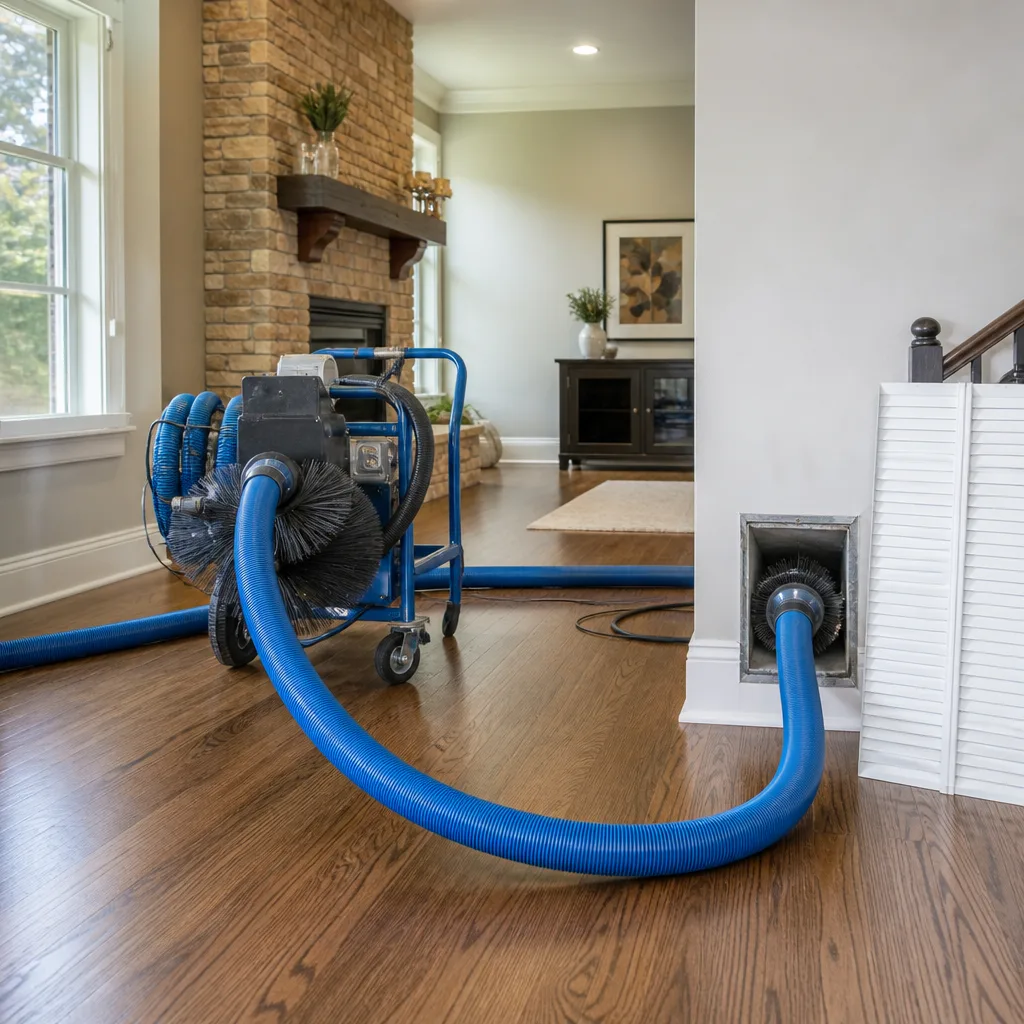 Whole-home duct cleaning
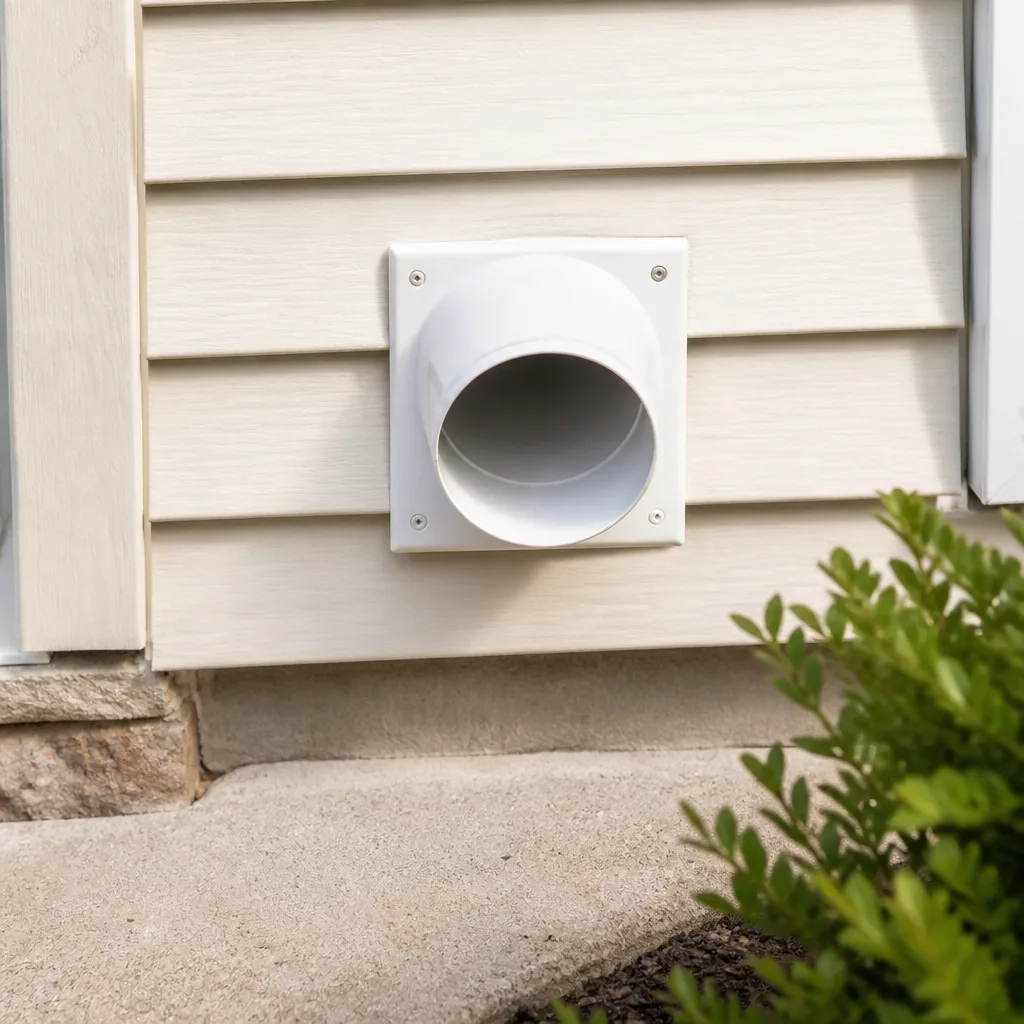 Dryer vent cleaning
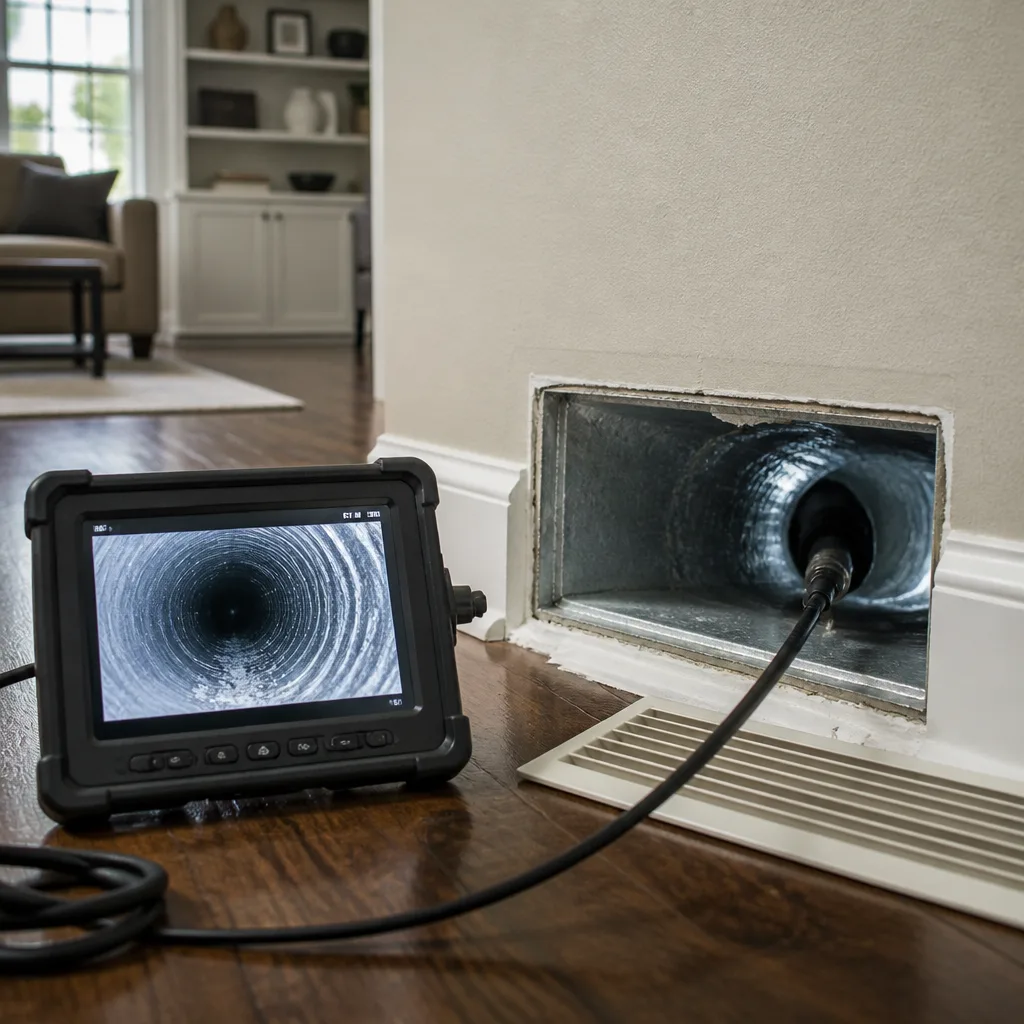 Camera inspection
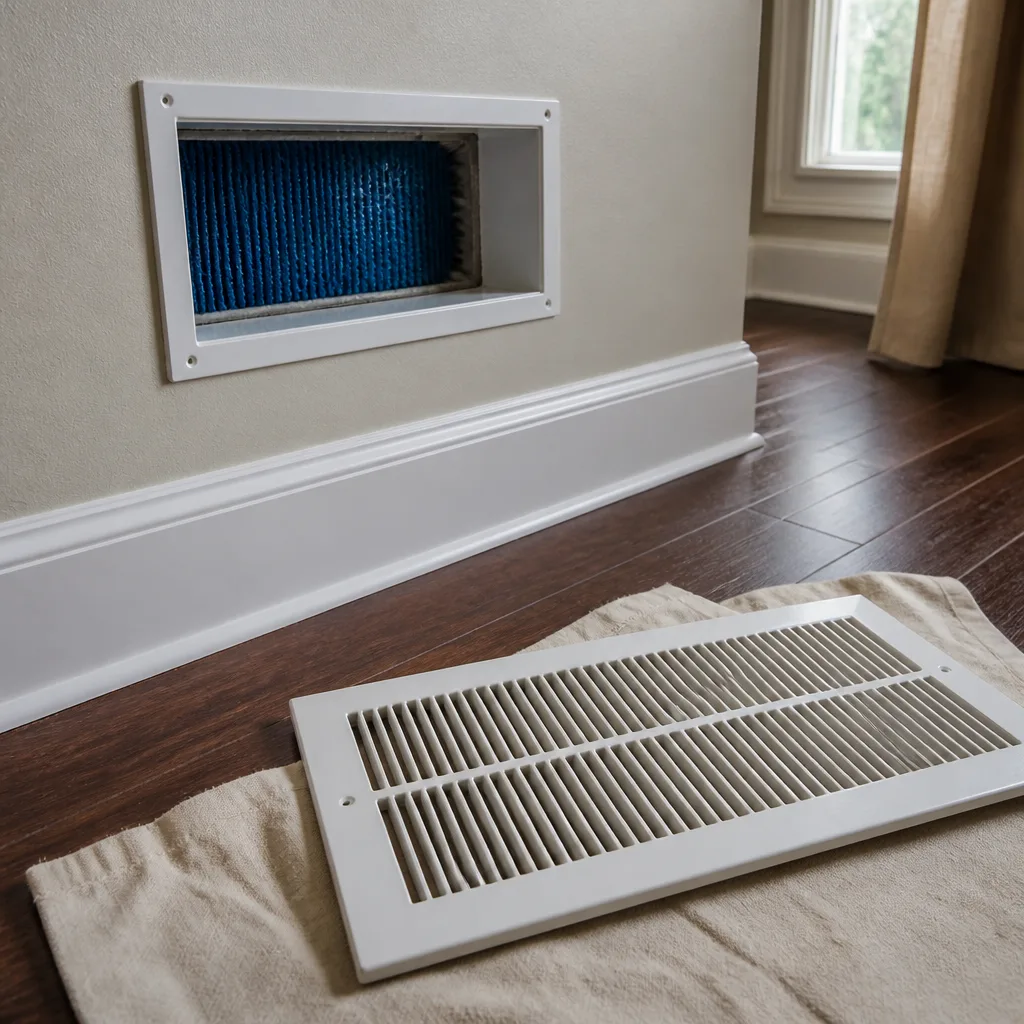 Sanitizing & deodorizing
Whole-system duct and dryer vent check with before-and-after photos - you see exactly what came out of your vents
That "$99 whole-house special" is a bait ad - the real number appears once they are in your hallway, or the "clean" is a shop-vac at the register. We photograph the inside of your ducts before and after instead.
How to Hire an Air Duct Cleaning Contractor in Pleasant Grove: A Step-by-Step Guide
In Utah, anyone with a shop vac and a website can legally call themselves an air duct cleaning contractor. There’s no state license for this trade, which means the only quality filter standing between your ductwork and an underqualified operator is the screening you do before you hire. That’s an uncomfortable fact, and most guides skip right past it. So this one walks you through the actual questions to ask, what a credible answer sounds like, and how to spot the operators in the Pleasant Grove market who are set up to clean a surface and call it a day. By the end, you’ll know how to read a quote, what to demand in writing, and which red flags should end the conversation early.
Quick Answer
Hiring an air duct cleaning contractor in Pleasant Grove comes down to verifying equipment, scope, and documentation before anyone arrives. Ask specifically about negative-pressure vacuum equipment, the rotary brush system used, and what written proof of work you’ll receive after the job. Because Utah doesn’t license this trade, a contractor’s equipment list, quoted scope, and willingness to document the work are the only real quality signals you have. Get those answers in writing and you’ve filtered out most of the field.
Styles & brands we work with
- Whole-home duct cleaning
- Dryer vent cleaning
- Camera inspection
- Sanitizing & deodorizing
Table of Contents
- Why Utah Doesn’t License Duct Cleaners (And What That Means for You)
- The Equipment Questions That Disqualify Weak Contractors
- What NADCA Membership Actually Verifies
- How to Read a Duct Cleaning Quote in Pleasant Grove
- Red Flags Specific to the Utah County Market
- The Three Documentation Questions to Ask Every Contractor
- A Step-by-Step Hiring Process
- Hiring for Dryer Vent and HVAC Cleaning at the Same Time
Why Utah Doesn’t License Duct Cleaners (And What That Means for You)
Utah has no state licensing requirement for air duct cleaning, which means the barrier to entry is effectively zero. No exam, no apprenticeship, no minimum equipment standard. A person can print business cards, build a website, and start booking jobs. In most trades, a license board acts as a floor – it doesn’t guarantee good work, but it does mean someone checked. Here, that floor doesn’t exist, so your pre-hire questions carry all the weight.
This isn’t a knock on every operator in Pleasant Grove. There are contractors doing careful, methodical work across Utah County. The problem is you can’t tell them apart from the ones who aren’t by looking at a truck, a website, or a coupon. Not at first glance.
What you can check:
- Insurance and bonding. Ask for a certificate of insurance. A contractor who can’t produce one is a contractor you don’t want in your attic or crawlspace.
- Equipment specifics. Ask what machinery they bring, not whether they “have good equipment.” Specific names and specs matter.
- Scope in writing. A quote should list what gets cleaned and what doesn’t. Vague scope means surprises on the invoice.
- References from the local market. A contractor working regularly in Pleasant Grove should be able to speak concretely about the housing stock and typical duct configurations here.
Treat these four checks as your licensing substitute. Do them before you book, not after the technician is standing in your entryway. If you’re already deep into comparing options and just want to talk through your system with someone who knows the local market, Pleasant Grove Air Duct Cleaning Pros is one place to start – and the questions in this guide work on us exactly as well as they work on anyone else.
The Equipment Questions That Disqualify Weak Contractors
Equipment is the single fastest way to separate real duct cleaners from improvised operations. The difference shows up in three places: how they create negative pressure, how they agitate debris, and how they contain what gets pulled loose. Ask about all three, and listen for specifics.
Question 1: What’s your negative-pressure setup?
Professional duct cleaning requires a vacuum strong enough to hold the entire duct system under negative pressure while work is happening. That does two things: it pulls dislodged debris toward the collection point instead of into your living room, and it keeps the dust you can’t see contained. Ask what vacuum system they use and where it exhausts. If the answer is a shop vac or a portable unit with a hose taped to a vent, that’s a “thank you, we’ll get back to you” moment.
Contractors using Nikro industrial vacuum equipment or comparable remediation-grade units are set up for the real job. Those systems are rated for professional duct work, not for garages and tailgates. The name matters less than the classification – ask whether the vacuum is rated for duct remediation, not just heavy-duty shop use.
Question 2: What brush system do you use?
Source removal – physically loosening and extracting the debris – requires contact with the duct walls. That’s what a rotary brush system does. Ask whether they use a rotary brush, what system, and how they handle different duct materials. Rotobrush is a well-known benchmark in the trade because it agitates and extracts simultaneously; contractors using it are set up for contact-based cleaning rather than a quick air blast.
If the answer is “we use compressed air” with no brush stage, that’s a blow-and-go operation. Compressed air loosens debris, but without a brush stage and a strong vacuum running at the same time, a lot of it just resettles downstream. You’ve paid for movement, not removal.
Question 3: How do you contain dust during the job?
Cleaning a duct system kicks up fine particulate, and the last thing you want is it settling into your furniture and fabric. Ask what containment measures go on-site. Abatement Technologies equipment, used in mold and restoration work, is a marker of a contractor thinking about air quality during the job, not just after. A credible answer mentions containment barriers, HEPA filtration, or both. Vague answers here usually mean no plan at all.
Three questions, one conversation. If a contractor answers all three with specific equipment names and a clear process, you’re dealing with someone prepared. If any answer is vague, move on. For the fuller picture of what a proper cleaning actually involves, our air duct cleaning page breaks down the full process.
What NADCA Membership Actually Verifies
The National Air Duct Cleaners Association (NADCA) is the industry’s main trade body, and membership is one useful signal – but it’s worth knowing exactly what it does and doesn’t guarantee. Membership indicates a contractor has committed to NADCA’s standards and, depending on their level of participation, may have met training or certification requirements. That’s meaningful. It means someone is paying attention to a professional standard.
What it does not do:
- It doesn’t replace state licensing. There’s nothing for NADCA to interface with in Utah, because Utah doesn’t license this trade.
- It doesn’t guarantee equipment quality. A member still needs to bring remediation-grade vacuum equipment and a rotary brush system to your home.
- It doesn’t police day-to-day workmanship. Standards and best practices exist; enforcement of individual jobs doesn’t.
- It doesn’t protect you from bait-and-switch pricing. A membership listing says nothing about invoice practices.
So how do you check? NADCA maintains a public directory where you can look up a contractor’s standing. Ask for the contractor’s name and confirm they’re in the registry. If they claim membership but don’t appear, that’s the answer you need. Membership is one data point on a good contractor’s file, not the whole file. Pair it with the equipment questions and the insurance check.
How to Read a Duct Cleaning Quote in Pleasant Grove
A quote tells you more about the contractor than the contractor does. It shows whether they intend to clean a system or clean a number of vents and call it a day. Here’s what to look for and what should raise your eyebrow.
What should appear as line items
- System scope. What’s being cleaned – supply ducts, return ducts, main trunk lines, the air handler. All of it, named.
- Number of vents and registers. As a description of scope for a flat whole-system price, not as a per-vent rate you’re adding up.
- Equipment to be used. Vacuum type, brush system, containment plan. A quote lacking this is a quote written by a company without a real process.
- Additional services quoted separately. If duct repair, sealing, or sanitizing is recommended, it should be a separate line item with its own price.
- The written price. One flat price per system, agreed before work starts.
What should never be a surprise add-on
Mold remediation quoted on the spot, after the technician opens a vent and shows you “growth.” That’s a common pressure-sale pattern, and it turns a straightforward cleaning into a four-figure invoice. If sanitizing or remediation is genuinely needed, it should be assessed and quoted clearly, with photos, not sprung mid-visit. The same goes for duct sealing – a contractor who recommends it should be able to explain what’s leaking and show you the gaps.
What a bad quote looks like
Per-vent pricing is the big one. It sounds transparent, but in practice the base price covers only a handful of vents, and the price climbs fast once the technician counts what’s actually in your home. Check the fine print for “additional vents starting at” language and price it out for your own home’s vent count before committing. If a quote is undercutting everyone else by a wide margin, it’s usually padding the invoice elsewhere. For a full explanation of sensible estimated ranges in this market, our HVAC cleaning page walks through what each service reasonably covers.
Red Flags Specific to the Utah County Market
Utah County’s housing stock and the tight local market create specific patterns worth watching for. Pleasant Grove straddles the spectrum from older homes near the historic downtown blocks to newer builds in the Manila and Mount Mahogany areas, and duct systems vary wildly across them. Some operators are set up for one style and not the other. Here are the flags.
Bait-and-switch whole-house pricing
The coupon price that grows into a much larger invoice once the technician is on-site. The mechanism is usually a low advertised price for “up to 10 vents” or similar, then a per-vent charge that takes the total far higher in a home with a proper duct count. Ask for the all-in price for your home’s full system before booking, in writing, and confirm it doesn’t change once the technician arrives.
Blow-and-go operators
No brush, no negative pressure, just compressed air and a shop vac. These operators act fast, leave debris redistributed through the system, and charge just enough that homeowners don’t feel robbed but never see a before-and-after. Ask the equipment questions in this guide. Vague answers disqualify.
Pressure-sale mold remediation
Opening a vent, showing the homeowner something dark, and quoting thousands in remediation on the spot. Real remediation involves assessment, written findings, and a clear scope. If it’s pitched in your living room with a flashlight and no documentation, that’s a sales tactic, not a diagnosis.
Out-of-market operations with no local reference point
Pleasant Grove homeowners ask around. A contractor who can’t answer specific questions about the area’s housing stock – the older builds, the newer subdivisions, the ways ductwork gets laid out here – is usually not working the neighborhood regularly. Local knowledge is a real signal in this trade.
The single best countermeasure against every flag on this list is one flat price per system agreed before work starts, backed by before-and-after photos of your own ducts. That combination leaves no room for the switch.
The Three Documentation Questions to Ask Every Contractor
Documentation separates a professional job from a job you can’t verify. Ask three specific questions before you book, and treat vague answers as your cue to keep looking.
- Will you provide before-and-after photos of my system? Not stock photos, not a brochure – your ducts. A credible contractor photographs inside the ducts before and after cleaning, often with a camera on the brush line.
- Will you provide a written scope-of-work summary? A short document listing what was cleaned, what was found, what was recommended. If it’s not in writing, it didn’t happen.
- Will you give me an equipment log? Which vacuum, which brush system, which containment setup was used on your job. This is the audit trail that lets you confirm the equipment conversation you had before booking was real.
In our experience, contractors who document well also clean better – the act of documenting forces a more careful process. It’s not a guarantee, but the correlation is strong. If a contractor answers “yes” to all three, you’re dealing with someone operating like a professional. If the answer to any of them is “we don’t normally do that,” ask why not.
A Step-by-Step Hiring Process
Here’s the full sequence, laid out so you can work through it in an afternoon. Every step is designed to filter before you commit, not after.
- List three candidates. From local search, referrals, and any contractors recommended in Pleasant Grove neighborhood groups. Don’t just go with the first coupon you see.
- Call each one and ask the three equipment questions. Negative pressure, brush system, containment. Note the specificity of each answer.
- Verify insurance and bonding. Request a certificate of insurance. Cross-check any NADCA membership claim against the public registry.
- Request a written quote with itemized scope. Whole-system pricing, not per-vent. Confirm any additional services are priced separately, not bundled as surprise extras.
- Ask the three documentation questions. Photos, scope summary, equipment log. Confirm each in writing before booking.
- Check the HVAC system condition first. If your system hasn’t been checked in a while, ask whether HVAC cleaning should be added to the visit. One crew handling ducts and the air handler avoids coordinating two contractors.
- Book the job and confirm the price is locked. The quote you agreed to is the price you pay. Nothing changes once the technician is in the house.
Steps 2 through 5 are where the field separates. Walk away from any contractor who can’t give you specifics on all of them. There’s no state license board to appeal to after a bad job, so this pre-hire work is the entire safety net.
Hiring for Dryer Vent and HVAC Cleaning at the Same Time
Dryer vent cleaning is a separate concern from air duct cleaning, and it’s worth hiring for in the same visit if you’re booking anyway. Lint accumulation in a dryer vent is a leading cause of residential fires, and the vent is easy to overlook because it’s out of sight. A contractor set up for dryer vent cleaning will use the same negative-pressure and brush equipment, and the work is quick to add to a duct cleaning visit.
A few hiring notes specific to dryer vents:
- Ask how they access the vent run. Full-run cleaning, not just the segment at the exterior wall.
- Confirm whether they check the transition duct. The flexible connector behind the dryer is where most problems start.
- Ask what they check for. Crushed sections, improper materials, and lint buildup along the full run.
- Request the same documentation. Photos before and after, especially if the vent hasn’t been serviced in years.
If you’re also thinking about filtration or a humidistat, ask about it during the quote phase, not the day of the visit. Contractors carrying Honeywell and Aprilaire products can often handle the upgrade in the same visit, but the scope should be written into the estimate so nothing gets added on the spot. The same standard applies here: one crew, full system, everything quoted up front.
Common Mistakes to Avoid
- Booking based on the coupon price alone. The lowest advertised number usually turns into the highest invoice once the technician counts your vents. Ask for the all-in whole-system price for your home, in writing, before you book.
- Not asking about equipment by name. “We use professional equipment” is not an answer. If a contractor can’t name the vacuum system, the brush system, and the containment setup, they likely don’t have one worth naming.
- Assuming a license protects you. Utah doesn’t license this trade. The insurance check, the equipment questions, and the written scope are your protection – there’s no board to call after a bad job.
- Accepting mold remediation quoted on the spot. If a technician opens a vent and pitches thousands in remediation on the spot, ask for written findings with photos and a written scope. If it can’t be documented, it can’t be trusted.
- Skipping the dryer vent because the ducts are being cleaned. They’re separate systems and separate fire risks. If you’re booking a duct cleaning visit, add the dryer vent run to the same visit rather than putting it off.
- Not asking for before-and-after photos. If you can’t see the ducts before and after the visit, you can’t confirm the work was actually done. This one question eliminates a huge amount of uncertainty.
- Ignoring the air quality angle. Duct condition and indoor air quality are directly connected. If allergies or post-renovation dust are your concern, ask about sanitizing and filtration alongside cleaning rather than as an afterthought.
See the difference
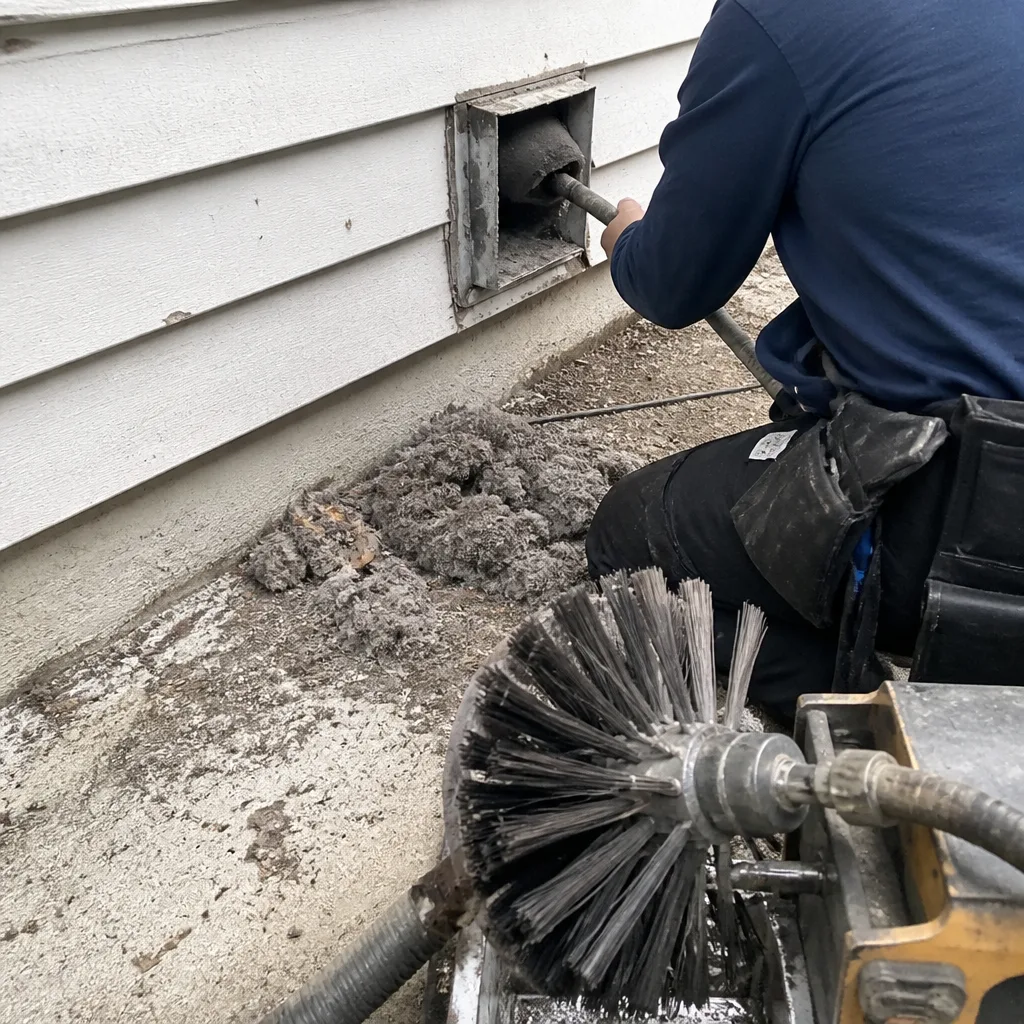 Before
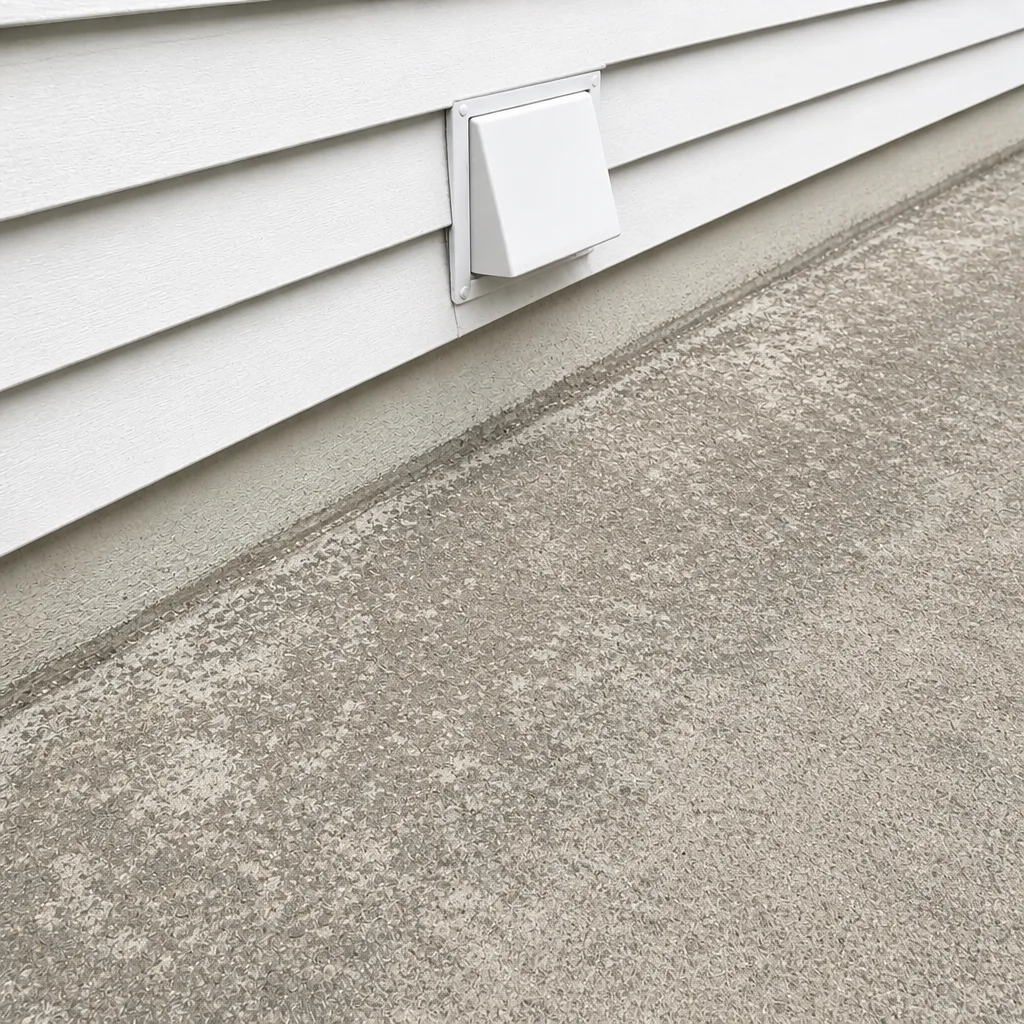 After
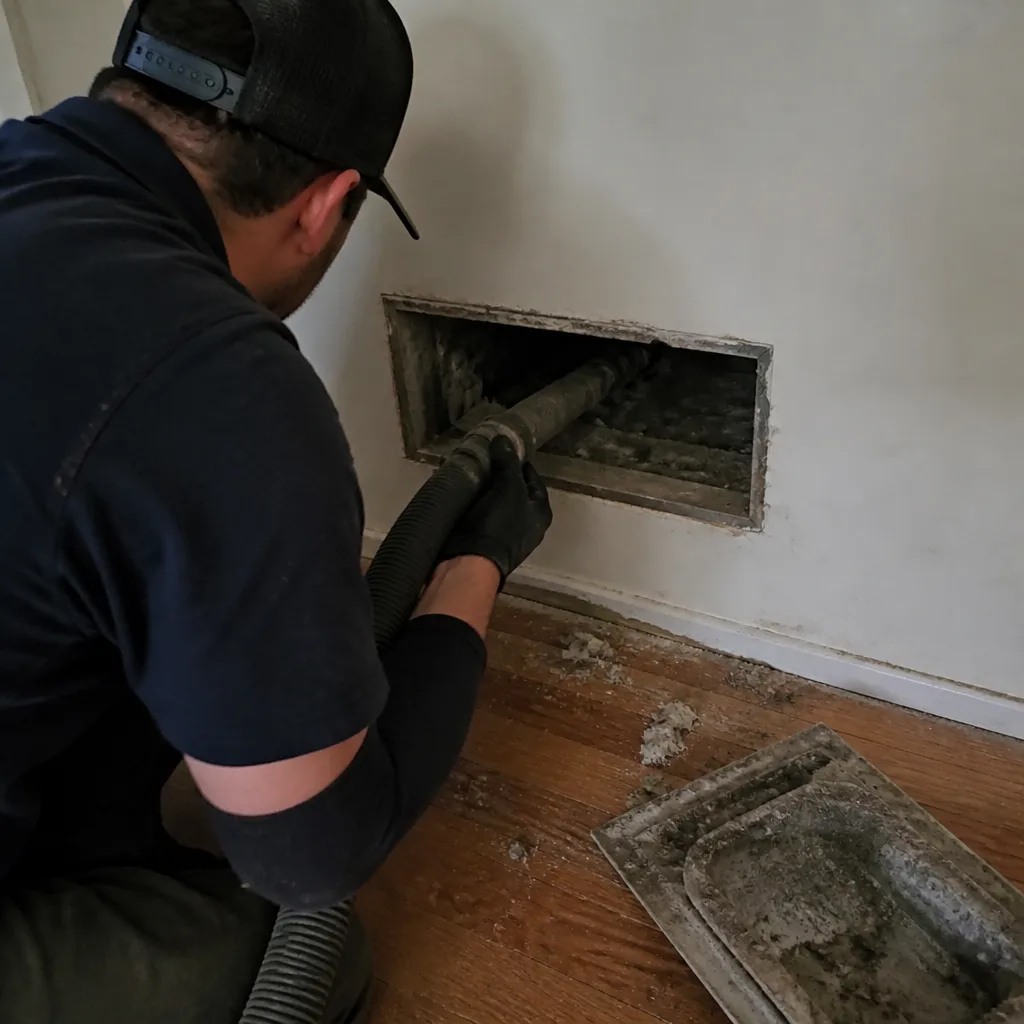 Before
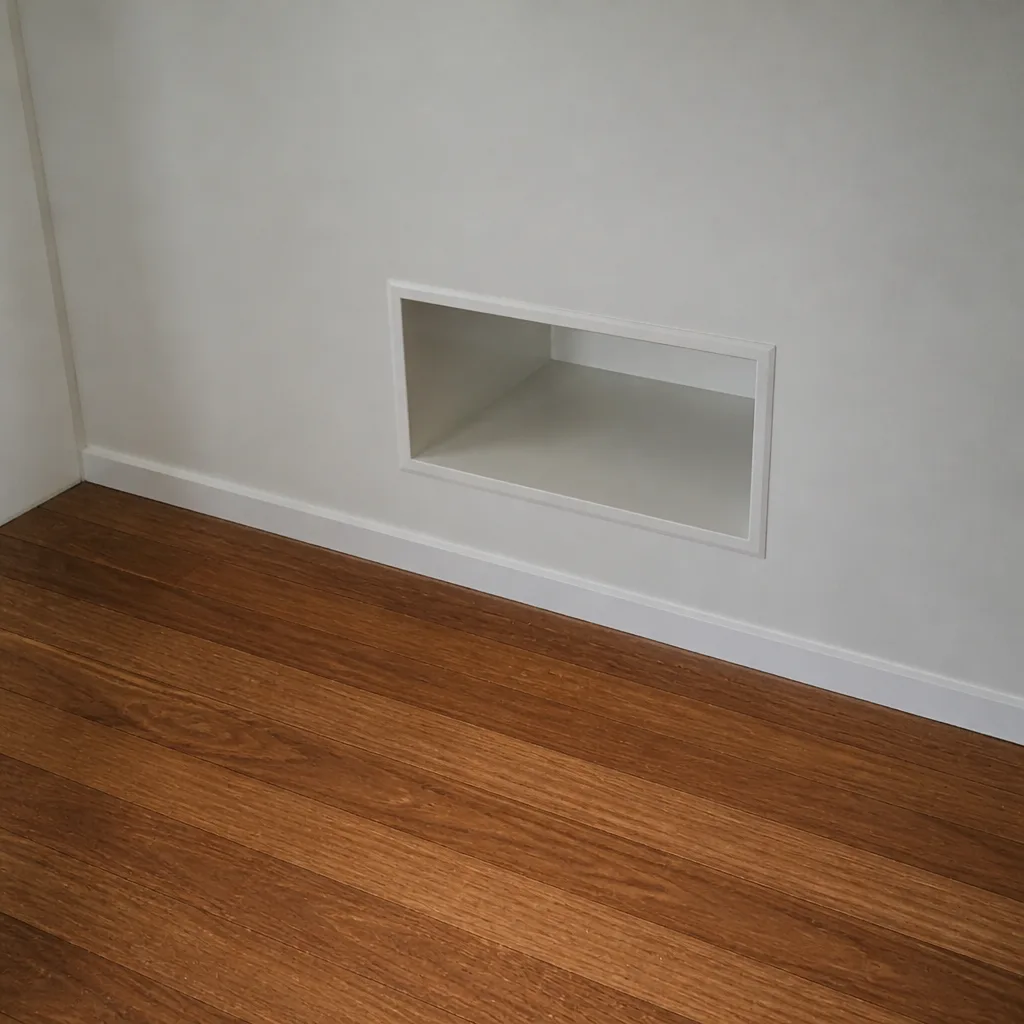 After
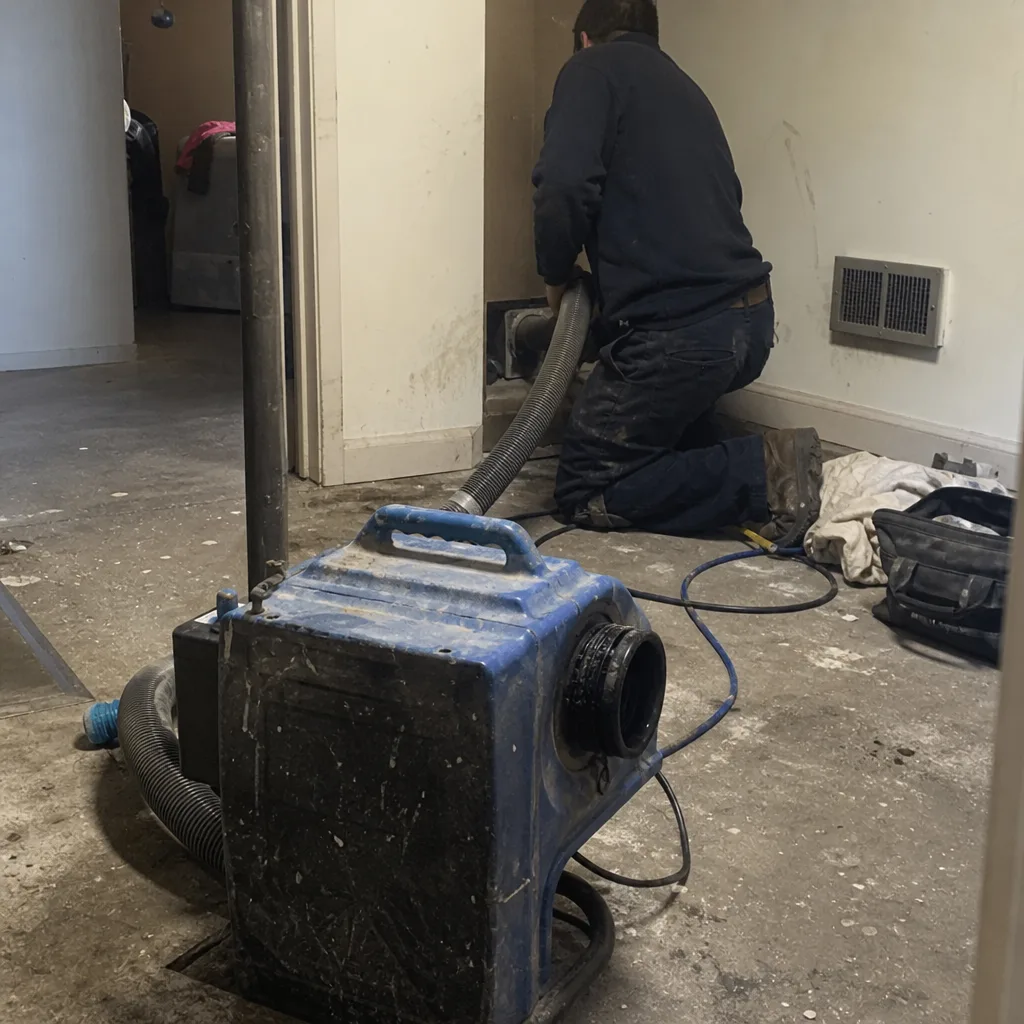 Before
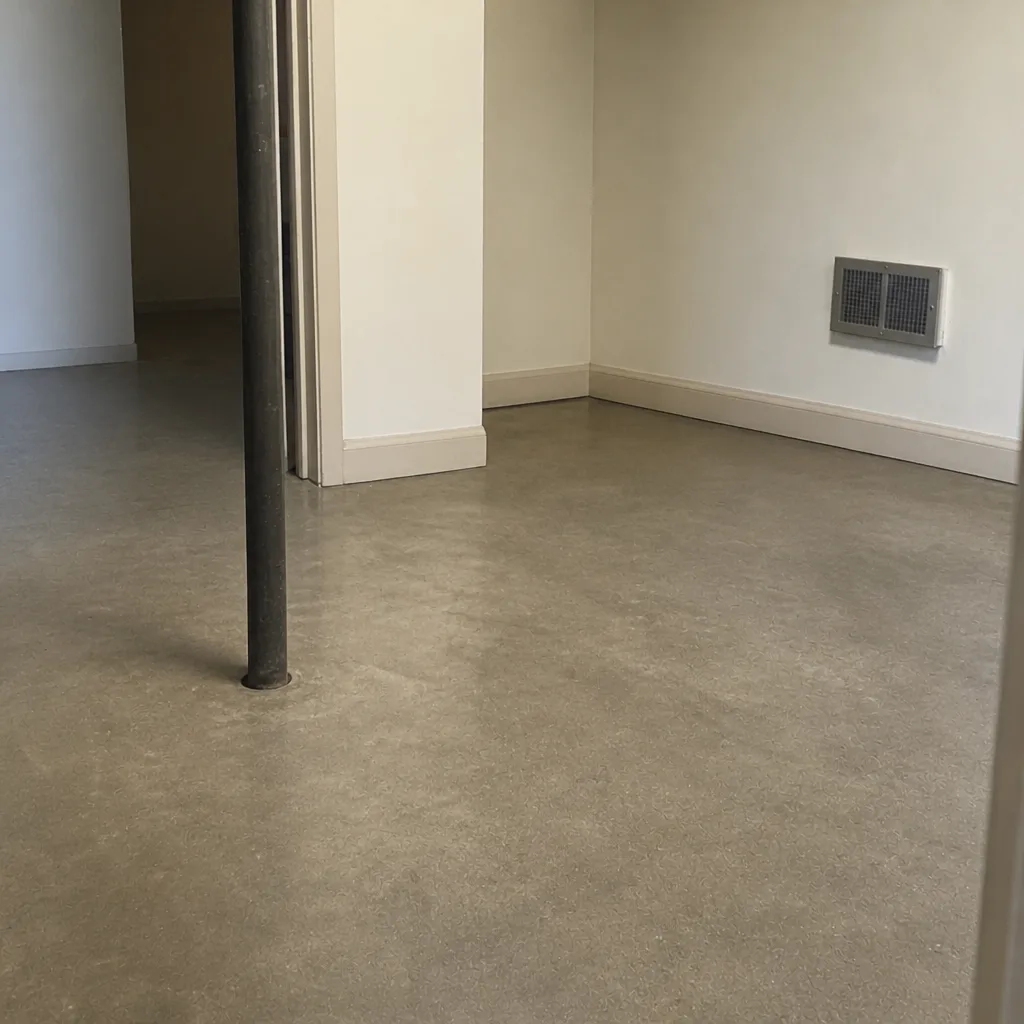 After
When to Call a Professional
You need a professional when the work involves contact with the full duct system, not just a visible vent face. Signs it’s time: visible dust blowing out of registers when the system starts, a musty smell that shows up only when the HVAC runs, a recent renovation that kicked up fine drywall dust, a system that hasn’t been cleaned in years, or a home purchased recently where you don’t know the service history. Persistent allergy symptoms that worsen indoors are another trigger, especially when medication and filters alone aren’t turning the corner.
Pleasant Grove Air Duct Cleaning Pros offers free estimates in Pleasant Grove. We answer 24/7 and run fast dispatch from 7am to 7pm, Sunday through Friday. Call (833) 513-8678 to talk through what your system needs.
Frequently Asked Questions
No. Utah doesn’t require a state license for air duct cleaning, so anyone can legally offer the service. That makes your own screening – insurance certificate, equipment specifics, written scope, and documentation commitments – your only quality filter. Ask the questions in this guide before you book.
Pleasant Grove duct cleaning is priced per system, and the written estimate sets the final price. The number varies with home size, duct configuration, and whether add-on services like sealing or sanitizing are included. Ask for a whole-system price in writing rather than a per-vent rate, and get the estimate locked before booking. Call (833) 513-8678 for an exact quote – estimates are free.
Cheap quotes usually reflect a narrower scope – fewer vents covered, no brush stage, weaker vacuum equipment – with a per-vent upcharge that makes the total climb once the technician arrives. It’s a pricing structure, not a discount. Ask what the all-in price is for your entire system, in writing, and compare that figure rather than the headline number.
Ask for before-and-after photos of your own ducts, a written scope-of-work summary, and an equipment log naming the vacuum and brush system used on your job. A contractor willing to provide all three is operating like a professional. If any of those requests gets deflected, take that as your answer.
It depends on the home. A new build, a recent renovation, or a home with pets or allergy-sensitive occupants usually warrants more frequent service than a settled home with clean habits and regular filter changes. Rather than committing to a fixed schedule, ask a contractor to assess your system and tell you what it actually needs. Call (833) 513-8678 with your home’s details and we can talk through it.
Yes, and it’s worth combining the two visits. Dryer vents are a separate system from the HVAC ducts, and lint accumulation in the vent run is a leading cause of residential fires. Ask for it as a separate line item during the same estimate so the whole visit is priced up front. Call (833) 513-8678 to set up a free estimate for both.
The Bottom Line
Hiring an air duct cleaning contractor in Pleasant Grove comes down to the questions you ask before booking. Utah’s lack of state licensing means the equipment list, the written quote, and the documentation commitments are your only protection. Demand specifics on negative pressure, brush systems, and containment. Verify insurance and any NADCA membership claim. Insist on whole-system pricing in writing, before-and-after photos of your own ducts, and a scope summary. Do those things and the bait-and-switch operators, blow-and-go crews, and pressure-sale mold pitches filter themselves out. You don’t need the lowest quote. You need the one that tells you exactly what you’re paying for.
Pleasant Grove Air Duct Cleaning Pros handles all five core services – duct cleaning, dryer vent cleaning, HVAC cleaning, duct repair and sealing, and air quality and sanitizing – as one crew in one visit, using Rotobrush rotary brush systems, Nikro industrial vacuum equipment, and Abatement Technologies containment gear. Our technicians have up to 9 years of experience, and we quote one flat price per system before any work starts. Call (833) 513-8678. We answer 24/7. Fast dispatch from 7am to 7pm, Sunday through Friday.
Written by the team at Pleasant Grove Air Duct Cleaning Pros.